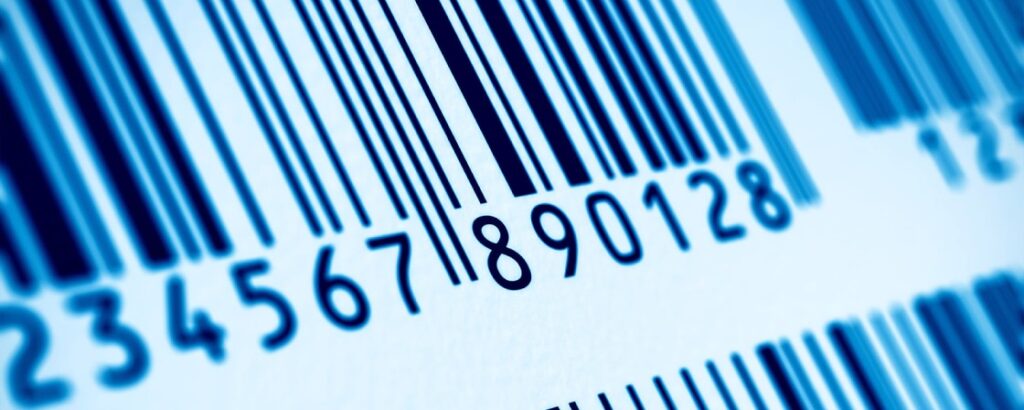
Printing Barcode Labels for Accurate Inventory and Product Tracking in Singapore

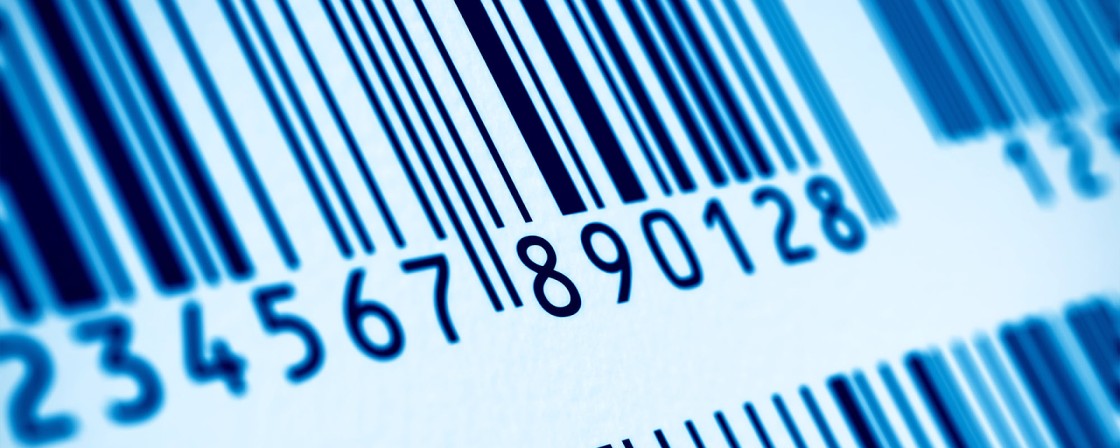
Printing barcode labels close-up

Printing barcode labels is an essential process for businesses that rely on accurate product identification and efficient inventory management. Barcode labels encode product information into machine-readable symbols that scanners can interpret instantly, allowing companies to track goods, update inventory systems, and manage stock movements across warehouses, retail stores, and supply chains.

In Singapore’s fast-moving logistics and retail sectors, reliable barcode labels ensure that scanning devices capture product information without delays or errors. When printing barcode labels with proper resolution, contrast, and formatting, businesses can maintain real-time inventory visibility, minimise manual data entry, and improve operational efficiency across their distribution networks.

For organisations managing large product volumes, accurate barcode printing is not simply a technical requirement. It is a key component of reliable inventory control and supply chain transparency.

What Is Printing Barcode Labels?

Printing barcode labels is the process of producing machine-readable labels that encode product or asset information in a barcode format. These labels contain patterns of lines or squares that barcode scanners interpret to retrieve product data stored in digital inventory systems.

Barcode labels are commonly used to:

  • identify products in retail environments
  • track inventory across warehouses
  • monitor goods during shipping and logistics
  • manage production batches in manufacturing
  • improve traceability in supply chain operations

When barcode labels are printed with high clarity and correct formatting, scanners can read them instantly. This allows businesses to automate stock updates, maintain accurate inventory records, and streamline operational workflows.

How Printing Barcode Labels Improves Inventory Management
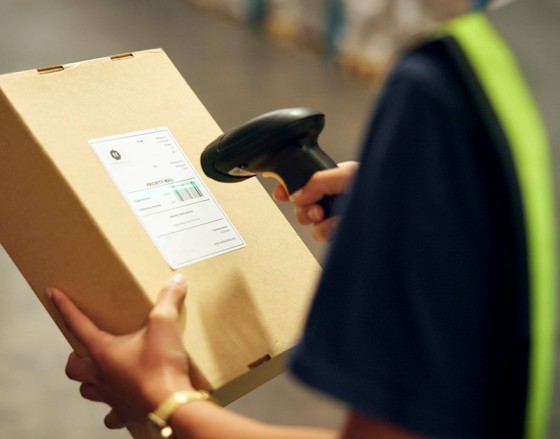
Barcode printing service scanning package

Printing barcode labels accurately allows inventory systems to capture product information quickly and reliably. Each time a barcode is scanned, the system updates stock data automatically, giving businesses real-time visibility into inventory levels.

Several operational improvements result from high-quality barcode printing:

Real-time stock tracking
Products can be scanned at multiple checkpoints such as receiving, storage, picking, and dispatch, ensuring accurate inventory records.

Faster warehouse operations
Clear barcode labels allow staff to scan items quickly without repeated attempts or manual data entry.

Reduced inventory discrepancies
Automated scanning ensures that product movements are recorded accurately, reducing mismatches between physical stock and digital records.

Improved supply chain traceability
Each barcode label allows businesses to track products from manufacturing through distribution and final delivery.

For businesses in Singapore managing high-volume inventory systems, dependable barcode labels are essential for maintaining operational efficiency.

Barcode Standards Used in Product Labelling

Barcode labels follow internationally recognised standards to ensure they can be read by scanners across different systems and industries.

Common barcode standards include:

Barcode Standard Typical Industry Use
UPC (Universal Product Code) Retail checkout systems
EAN (European Article Number) International retail products
Code 128 Warehousing and logistics tracking
Code 39 Industrial inventory systems
QR Code Digital product information and marketing
Data Matrix Healthcare and manufacturing

Many businesses adopt GS1 barcode standards, which provide globally recognised guidelines for product identification and supply chain tracking.

Using the correct barcode standard ensures compatibility with scanning systems used by retailers, distributors, and logistics providers worldwide.

Technologies Used for Printing Barcode Labels

Several printing technologies are used to produce barcode labels depending on label volume, durability requirements, and operational environments.

Thermal Printing

Thermal printers use heat to create images on specialised label materials. This method is widely used for shipping labels and logistics tracking because it is fast and cost-effective.

Thermal Transfer Printing

Thermal transfer printing uses heat to transfer ink from a ribbon onto the label surface. This produces highly durable barcode labels suitable for environments where labels must resist abrasion, chemicals, or temperature changes.

Inkjet Printing

Inkjet printing is used for colour labels and packaging applications where barcode labels are integrated into product designs.

Laser Printing

Laser printers produce sharp, high-contrast barcode labels and are commonly used in office environments for smaller label batches.

Selecting the appropriate printing technology helps ensure that barcode labels remain readable throughout the product lifecycle.

Materials Used When Printing Barcode Labels

The durability of a barcode label depends heavily on the material used during production. Choosing the right label material ensures the barcode remains scannable even in demanding environments.

Paper Labels

Paper labels are commonly used for retail product labels and shipping labels where the label lifespan is relatively short.

Synthetic Labels

Synthetic materials such as polyester or polypropylene offer resistance to moisture, chemicals, and abrasion. These materials are ideal for industrial or logistics environments.

Thermal Labels

Thermal labels are widely used in warehousing and shipping operations because they allow rapid printing without ink cartridges.

Waterproof and Weather-Resistant Labels

For outdoor or high-humidity environments such as certain warehouse operations in Singapore, waterproof materials prevent fading or peeling.

Selecting the correct material ensures that barcode labels remain readable throughout storage, transportation, and handling.

How Barcode Print Quality Is Verified

To ensure reliable scanning, barcode labels must meet strict quality standards. Professional printing providers use verification tools to test label readability before large batches are produced.

Barcode verification typically evaluates several factors:

Print contrast signal (PCS)
Measures the contrast between barcode lines and the background.

Barcode edge definition
Ensures that barcode lines are sharp and clearly defined.

Quiet zones
Confirms that sufficient blank space surrounds the barcode so scanners can detect it correctly.

Symbol grading standards
Many organisations follow ISO or ANSI barcode grading systems to verify barcode readability.

Quality verification ensures that barcode labels perform consistently across different scanning devices and operational environments.

Steps Involved in Printing Barcode Labels

Producing reliable barcode labels involves several stages that ensure accurate formatting and consistent print quality.

Typical steps include:

  1. Barcode generation using barcode software
  2. Label layout and formatting
  3. Selection of label material and adhesive
  4. Printing using specialised barcode printers
  5. Quality verification and scanning tests
  6. Label application to products or packaging

Following a structured production process helps businesses maintain reliable barcode performance across large product volumes.

Choosing a Barcode Printing Service in Singapore

Many businesses partner with a professional barcode printing service to ensure reliable label production and consistent scanning performance.

When selecting a barcode printing provider in Singapore, companies should consider several factors.

Printing precision and equipment
Professional barcode printers are calibrated to produce accurate line widths and spacing that meet scanning standards.

Material expertise
Experienced providers recommend label materials suitable for retail, warehouse, or industrial environments.

Quality verification processes
Reliable printing services verify barcode readability using specialised barcode testing equipment.

Scalability for large volumes
Businesses that manage thousands of products require consistent label quality across every batch of printed labels.

Working with a specialised barcode printing provider helps organisations maintain consistent inventory tracking and operational efficiency.

Industries That Depend on Printing Barcode Labels
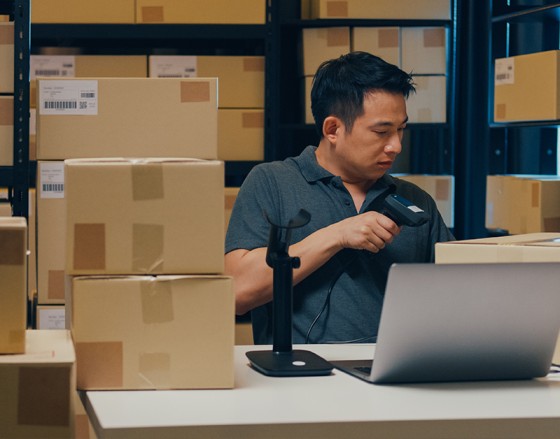
Warehouse barcode printing service

Printing barcode labels supports many industries that require reliable product identification and inventory control.

Retail

Retailers use barcode labels for product identification, price scanning, and stock management in stores.

Warehousing and Logistics

Warehouses rely on barcode labels to track goods during receiving, storage, picking, and distribution.

Manufacturing

Manufacturers use barcode labels to monitor raw materials, production batches, and finished goods.

Healthcare

Hospitals and laboratories use barcode labels for tracking pharmaceuticals, medical supplies, and laboratory samples.

Distribution and Supply Chain

Distribution centres use barcode labels to track product movement across regional and international supply chains.

Across these sectors, reliable barcode labels help businesses maintain operational visibility and accurate inventory records.

Frequently Asked Questions

1. Why is printing barcode labels accurately important for businesses?

Printing barcode labels accurately ensures scanners can read product information instantly. When labels are printed clearly with correct spacing and contrast, inventory systems update automatically without manual data entry. This improves operational efficiency, reduces stock discrepancies, and supports reliable product tracking across warehouses, retail stores, and supply chains.

2. What happens if barcode labels are printed poorly?

Poorly printed barcode labels can cause scanning failures, inventory mismatches, and operational delays. When scanners cannot read a barcode properly, staff may need to manually enter product data, which increases the risk of errors and slows down warehouse and retail workflows.

3. What industries rely on barcode printing services?

Retail, logistics, manufacturing, healthcare, and distribution industries rely heavily on barcode printing services. These sectors manage large product volumes and require fast, reliable scanning to track inventory accurately throughout production, storage, and distribution processes.

4. What materials are best for barcode labels?

The best material depends on the operational environment. Paper labels are suitable for short-term retail or shipping applications, while synthetic materials such as polyester or polypropylene offer durability in environments exposed to moisture, abrasion, or temperature changes.

5. How does a barcode printing service improve label quality?

A professional barcode printing service uses specialised printing equipment, calibrated settings, and barcode verification tools to ensure proper line spacing, contrast, and readability. This ensures barcode labels scan reliably across large batches and remain readable during product handling and transportation.

6. What are barcode quiet zones and why are they important?

Quiet zones are blank spaces surrounding a barcode symbol. These areas allow barcode scanners to detect the beginning and end of the code. Without sufficient quiet zones, scanners may struggle to interpret the barcode correctly, which can lead to scanning errors.

7. When should businesses use professional barcode printing services?

Businesses should consider professional barcode printing services when producing large volumes of labels or when labels must meet strict scanning standards. Professional services ensure consistent label quality, durability, and compatibility with barcode scanning systems used across supply chains.

Strengthen Your Inventory Systems with Reliable Barcode Printing

Accurate barcode labels are essential for businesses that rely on efficient inventory management and product tracking. When printing barcode labels with proper materials, resolution, and verification processes, organisations can ensure reliable scanning, consistent stock updates, and smoother operational workflows.

If your business requires dependable barcode labelling solutions, consider working with a professional barcode printing service that can produce durable and highly scannable labels for real-world operational environments.

Visit Printsys to learn more about barcode printing services in Singapore and discover how high-quality labels can support accurate inventory tracking and supply chain efficiency.
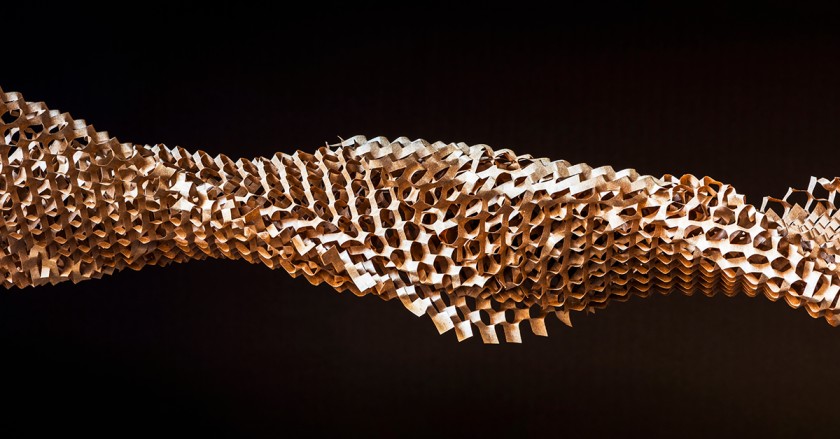
 

Folding and Diecut Services in Singapore: A Complete Guide to Precision Print Finishing

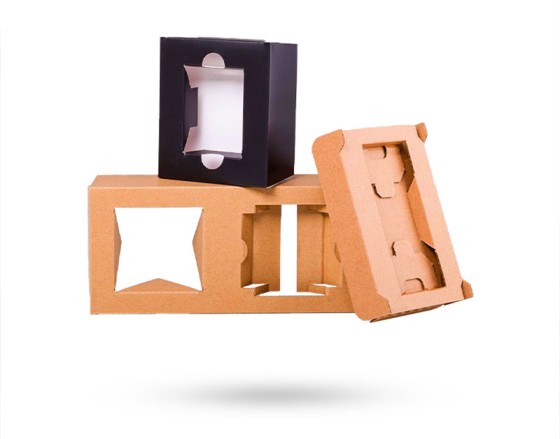
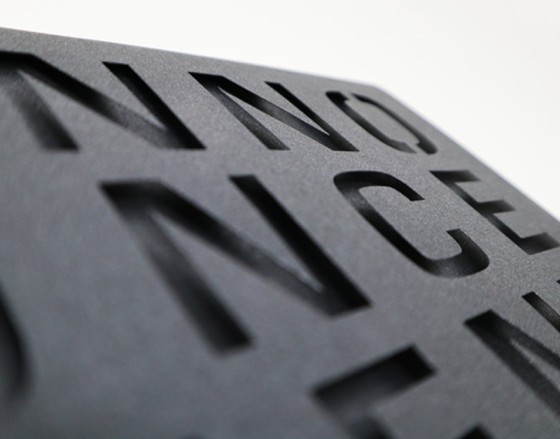
Precision diecut folding design

Printed materials remain one of the most powerful ways for brands to communicate visually and physically with their audience. While design and print quality are important, print finishing techniques such as folding and diecut services play a critical role in transforming flat printed sheets into structured, interactive, and visually distinctive materials.

In Singapore’s competitive business environment, companies rely on professional folding and diecut services to produce high-impact packaging, brochures, retail displays, and promotional materials. These services allow printed pieces to feature custom shapes, precision cut-outs, and structured folds that improve usability, presentation, and brand recognition.

What Are Folding and Diecut Services?

Folding and diecut services are specialised print finishing processes used to shape and structure printed materials. Diecutting uses custom blades to cut precise shapes, windows, or patterns into paper or packaging, while folding techniques create panels or structural forms such as brochures, cartons, and promotional displays.

Together, these techniques allow printed materials to move beyond standard rectangular formats and become functional design elements that enhance visual impact and communication clarity.

How Folding and Diecut Services Work

Professional folding and diecut services involve several production steps that ensure accuracy and consistency during printing and finishing.

The process typically includes:

  1. Artwork preparation and dieline design
    Designers create a dieline template that defines where cuts and folds will occur.
  2. Creation of a custom die
    A steel rule die is manufactured to match the required shape and cut pattern.
  3. Material selection and testing
    Printers evaluate paper stock, thickness, and coatings to ensure clean cuts and folds.
  4. Precision die cutting
    Industrial diecut machines cut the printed material according to the custom shape.
  5. Folding and finishing
    Creasing and folding machines structure the printed piece into its final form.
  6. Quality inspection
    Each batch is inspected to ensure alignment, clean edges, and structural integrity.

This controlled production process ensures that large print runs maintain consistent quality and precise finishing.

Why Businesses Use Folding and Diecut Services

Companies across multiple industries use folding and diecut printing because it improves the effectiveness and presentation of printed materials.

Stronger Visual Impact

Custom die cut shapes help printed materials stand out immediately. Instead of standard rectangular prints, brands can create shapes that reflect their product, logo, or design concept.

Better Information Flow

Folding structures guide the reader through information in a logical sequence. Multi-panel brochures or folded inserts reveal content step by step, improving readability and engagement.

Interactive Print Experiences

Diecut openings, layered shapes, and creative folds encourage audiences to interact with the material. This increases engagement and helps brands create memorable physical marketing pieces.

Professional Packaging Presentation

Many businesses in Singapore use folding and diecut services for custom packaging printing. Structural folds and precision die cuts allow packaging to protect products while presenting them attractively on retail shelves.

How Die Cut Printing Enhances Print Design

Die cut printing allows designers to integrate shape into the visual identity of a printed piece. Rather than relying solely on graphics or colour, designers can incorporate physical structure into the design itself.

Common diecut techniques include:

Custom Outer Shapes

A custom die can cut the entire outline of a printed piece. This allows marketing materials or packaging to reflect specific brand elements or product forms.

Examples include:

  • Product-shaped packaging
  • Custom promotional cards
  • Creative invitations
  • Retail display tags

Window Cut-Outs

Diecut windows reveal content beneath the surface. These openings can display product contents, layered graphics, or colour accents.

This technique is commonly used in:

  • retail packaging
  • presentation folders
  • product packaging boxes

Layered Diecut Designs

Multiple layers of cardstock can be stacked to create dimensional depth. Layered diecut designs add shadow effects and visual movement, turning printed pieces into tactile design experiences.

Interactive Print Elements

Peek-through cut-outs and shaped edges create curiosity and encourage audiences to explore the printed piece more closely.

These techniques transform standard print materials into visually engaging physical designs.

Folding and diecut packaging

The Role of Folding in Print Finishing

While diecutting determines the shape of the printed piece, folding creates structure and movement. Folding techniques allow designers to divide content into panels that unfold gradually.

Common folding methods used in commercial printing include:

Folding Style Description Typical Uses
Half Fold Paper folded once into two panels Greeting cards, menus
Tri Fold Paper folded into three panels Marketing brochures
Gate Fold Two outer panels fold inward Invitations, premium brochures
Accordion Fold Panels fold back and forth Product guides, maps
Custom Structural Fold Unique folds combined with diecut shapes Packaging and promotional materials

Combining folding with diecut printing creates structural print designs that are both visually distinctive and functional.

Materials Used for Folding and Diecut Printing

Choosing the right material is essential for successful folding and diecut services. Different paper stocks respond differently to cutting pressure and folding.

Common materials include:

Cardstock

Cardstock is widely used for marketing materials and packaging because it provides structural strength and produces clean diecut edges.

Textured Paper

Textured paper enhances tactile quality and highlights the contours created by diecut shapes.

Kraft Paper

Kraft paper is often used for eco-friendly packaging designs and rustic branding aesthetics.

Transparent or Frosted Sheets

Vellum or plastic sheets create layered visual effects when combined with diecut windows or overlays.

Professional printers evaluate the paper’s thickness, fibre composition, and coating to ensure it performs well during diecutting and folding.

Best Practices for Designing Diecut Print Projects

Designing for diecut production requires careful planning to ensure the final printed material maintains structural integrity and visual accuracy.

Maintain Safe Margins

Important design elements such as logos and text should remain inside safe zones to prevent accidental trimming during diecutting.

Avoid Fragile Design Points

Very thin sections or sharp internal angles can weaken the structure of the material. Slightly rounded edges improve durability.

Understand Paper Behaviour

Thicker materials create stronger shapes but may require wider curves during diecutting. Lighter paper can accommodate fine details but may require careful handling.

Use Accurate Dieline Templates

Dielines guide where cuts and folds occur. Designers must align artwork precisely with the dieline to ensure accurate production.

Collaborate With Print Specialists

Working closely with professional printers early in the design process allows teams to test prototypes and confirm production feasibility before large print runs begin.

Industries That Use Folding and Diecut Services

Custom diecut folding detail

Folding and diecut services are widely used across many industries because they allow brands to produce visually distinctive and structurally functional printed materials.

Common industry applications include:

Retail Packaging

Product packaging often relies on diecut shapes and structural folds to create boxes, inserts, and display packaging that protect and showcase products.

Food and Beverage Packaging

Restaurants and food brands use diecut packaging for takeaway boxes, product sleeves, and promotional packaging.

Cosmetics and Beauty

Luxury cosmetic packaging often uses precision diecut shapes to create elegant presentation boxes.

Corporate Marketing Materials

Companies frequently produce diecut presentation folders, promotional mailers, and creative brochures for marketing campaigns.

Retail Point-of-Sale Displays

Diecut display stands and promotional signage help retailers attract attention and highlight featured products.

Choosing the Right Folding and Diecut Services Provider

Selecting a reliable printing provider ensures that folding and diecut printing projects are produced accurately and efficiently.

When evaluating a provider, businesses should consider:

  • Experience in commercial printing and packaging production
  • Access to advanced diecut machinery
  • Ability to create precise dieline templates
  • Material expertise for different paper stocks
  • Quality control processes for large print runs

An experienced provider can help optimise both design and production to achieve the desired results.

Why Precision Matters in Diecut Printing

Poorly executed diecut or folding processes can lead to production problems such as:

  • misaligned folds
  • rough or torn edges
  • damaged artwork
  • weakened structural elements

Professional folding and diecut services ensure that cutting pressure, paper selection, and folding techniques are calibrated correctly for consistent results.

For brands producing large quantities of packaging or marketing materials, precise print finishing protects both product quality and brand image.

Frequently Asked Questions

1. What are folding and diecut services used for?

Folding and diecut services are used to shape and structure printed materials such as packaging boxes, brochures, retail displays, and promotional materials. These print finishing techniques allow designers to create custom shapes, windows, and structural folds that improve presentation, functionality, and brand visibility.

2. What is die cutting in printing?

Die cutting is a printing finishing process that uses a custom metal blade to cut precise shapes, patterns, or openings into paper, cardboard, or packaging materials. It allows printers to produce custom outlines, packaging structures, and decorative cut-outs that cannot be achieved with standard trimming.

3. What are folding services in printing?

Folding services involve creasing and bending printed sheets to create structured panels or forms such as brochures, inserts, and packaging components. Folding improves organisation of printed information and helps guide how readers interact with the material.

4. What materials work best for diecut printing?

Common materials include cardstock, coated paper, kraft paper, textured paper, and specialty materials such as vellum or plastic sheets. The best material depends on the complexity of the diecut design, folding requirements, and the intended use of the printed piece.

5. Which industries commonly use diecut printing services?

Retail packaging, cosmetics, food and beverage brands, corporate marketing teams, and event organisers frequently use diecut printing services to produce packaging boxes, promotional materials, product tags, and retail display structures.

6. Are folding and diecut services suitable for large print runs?

Yes. Modern commercial diecut machines allow printers to produce large volumes of materials with consistent precision. Professional printing providers conduct testing and quality checks to ensure that each piece maintains accurate cutting and folding alignment.

7. When should diecut designs be planned in a project?

Diecut designs should be planned early during the design stage. Early planning allows designers and printers to create accurate dieline templates, test materials, and ensure the artwork aligns correctly with cutting and folding structures.

Explore Professional Folding and Diecut Services

Creative print materials require more than strong graphics. Precision folding and diecut services transform flat printed sheets into engaging physical designs that capture attention and reinforce brand identity.

If you are planning custom packaging, marketing brochures, or retail display materials, working with an experienced printing provider ensures your designs are produced with accuracy and consistency.

Contact Printsys today to explore professional folding and diecut services in Singapore and discover how precision print finishing can elevate your brand’s printed materials.


Custom Stickers: Materials, Finishes, and Printing Options for Durable Branding

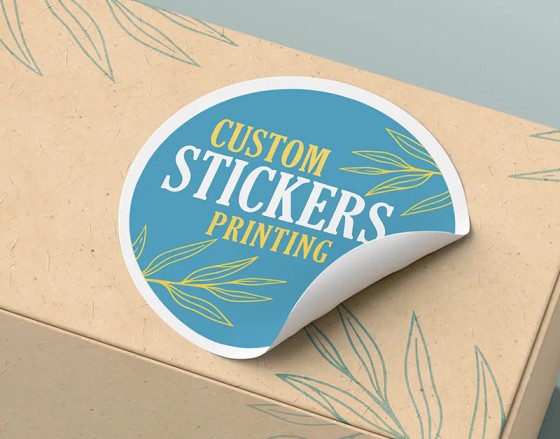
Custom stickers printing process

Custom stickers are one of the most effective and versatile tools for branding, packaging, and marketing. Businesses use custom stickers to label products, promote events, decorate packaging, and increase brand visibility across many surfaces. From product jars and shipping boxes to laptops and storefront windows, stickers help transform everyday items into brand touchpoints.

Across Singapore’s retail, e-commerce, and food industries, custom stickers are widely used to reinforce brand identity and communicate product information. With professional custom sticker printing, businesses can create durable labels and promotional materials that remain vibrant even after frequent handling or outdoor exposure.

However, not all stickers are created equal. The durability, appearance, and performance of custom stickers depend heavily on the materials, finishes, and printing methods used. Understanding these elements helps businesses choose sticker options that match their branding goals and environmental conditions.

What Are Custom Stickers?

Custom stickers are adhesive labels printed with personalised designs, logos, or graphics for branding, packaging, and promotional use. Businesses commonly apply custom stickers to packaging, products, merchandise, and marketing materials to increase brand visibility and communicate important product information.

Because they are affordable, portable, and visually engaging, custom stickers are widely used for:

  • Product packaging labels
  • Promotional merchandise
  • Branding for shipping boxes
  • Event marketing materials
  • Window and storefront decals
  • Decorative stickers for laptops or merchandise

With high-quality custom sticker printing, companies can produce stickers in various materials, shapes, and finishes that suit both indoor and outdoor applications.

Common Materials Used for Custom Stickers

Custom stickers product branding

The material used for a sticker determines its durability, texture, and resistance to environmental factors. Selecting the right base material ensures that custom stickers remain visually appealing and functional in real-world conditions.

Vinyl Stickers

Vinyl is widely regarded as the most durable material for custom stickers. Vinyl stickers are waterproof, flexible, and resistant to UV exposure, making them suitable for both indoor and outdoor use.

Because of their durability, vinyl stickers are commonly used for:

  • Outdoor branding
  • Vehicle decals
  • Beverage bottles and containers
  • Window graphics
  • Long-term product labels

Vinyl stickers maintain colour vibrancy even under prolonged sunlight and frequent handling.

Paper Stickers

Paper stickers are a cost-effective and environmentally friendly option often used for indoor packaging and product labels. Their natural texture provides a handcrafted appearance that is particularly popular among artisanal and small businesses.

Paper stickers are commonly used for:

  • Food packaging labels
  • Gift packaging and stationery
  • Handmade product labels
  • Short-term promotional stickers

Although paper stickers are not waterproof, adding protective coatings can improve resistance to smudges and light moisture.

Transparent Stickers

Transparent stickers offer a clean, modern look by allowing the underlying surface to remain visible. This creates a seamless effect where the design appears printed directly onto packaging or glass surfaces.

Transparent stickers are commonly used for:

  • Cosmetic packaging
  • Glass jars and bottles
  • Beverage labels
  • Acrylic containers
  • Minimalist product branding

High-quality custom sticker printing ensures accurate colour layering and strong adhesion even when printing on clear materials.

Sticker Material Comparison

Different materials provide varying levels of durability and visual appeal. The following comparison helps businesses select the right material for their intended use.

Sticker Type Durability Best Use
Vinyl Stickers High Outdoor branding and product labels
Paper Stickers Medium Indoor packaging and labels
Transparent Stickers Medium–High Glass packaging and minimalist branding

Choosing the correct material ensures that custom stickers maintain both durability and professional presentation.

Choosing the Right Finish for Custom Stickers

Sticker finishes add an extra protective layer while enhancing the overall visual appearance. Finishes help protect printed designs from sunlight, moisture, and abrasion.

Gloss Finish

Gloss finishes create a shiny, reflective surface that enhances colour vibrancy and contrast. This finish is ideal for eye-catching promotional stickers and retail packaging.

Gloss coatings also help protect printed designs from scratches and fading.

Matte Finish

Matte finishes produce a smooth, non-reflective surface that creates a subtle and sophisticated look. Because matte surfaces minimise glare and fingerprints, they are commonly used for premium product labels.

This finish works particularly well for:

  • Cosmetic packaging
  • Candle labels
  • Luxury product branding

UV Lamination and Waterproof Coatings

For stickers exposed to outdoor environments, additional protection is essential. UV lamination protects the printed design from fading due to sunlight exposure, while waterproof coatings prevent damage from moisture and humidity.

These finishes are commonly used for:

  • Vehicle decals
  • Outdoor promotional stickers
  • Refrigerated product labels
  • Beverage packaging

When combined with durable materials such as vinyl, these finishes significantly extend the lifespan of custom stickers.

Custom Sticker Printing: How the Process Works

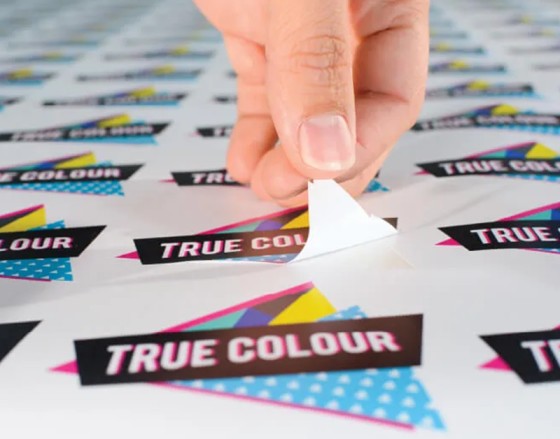
Custom stickers adhesive quality

Professional custom sticker printing involves several stages that ensure consistent quality and durability.

The typical printing process includes:

  1. Artwork preparation – Designers prepare the sticker artwork and ensure proper colour settings.
  2. Material selection – The appropriate sticker material is chosen based on usage conditions.
  3. Printing production – Digital or UV printing technology produces high-resolution graphics.
  4. Cutting and shaping – Precision die-cutting creates custom sticker shapes.
  5. Finishing – Laminations or coatings are applied to improve durability.

This process ensures that custom stickers maintain colour accuracy, strong adhesion, and clean edges.

Custom Sticker Shapes and Cutting Options

Custom stickers can be produced in many shapes using precision cutting techniques.

Popular sticker shapes include:

  • Circular stickers
  • Square or rectangular labels
  • Oval stickers
  • Kiss-cut stickers
  • Fully customised die-cut shapes

Die-cut stickers follow the exact outline of the design, making them particularly effective for branded merchandise or promotional giveaways.

Custom shapes help businesses create distinctive packaging and visually memorable marketing materials.

How Businesses Use Custom Stickers for Branding

Custom stickers are widely used across industries because they offer a simple and affordable way to reinforce brand identity.

Businesses commonly use stickers for:

  • Product packaging and label branding
  • Laptop stickers and merchandise
  • Event marketing giveaways
  • Shipping box branding
  • Café takeaway packaging
  • Promotional campaigns and product launches

Because stickers are portable and visually engaging, they allow brands to expand their visibility beyond traditional marketing channels.

How to Order Custom Stickers for Your Business

Ordering custom stickers typically involves several simple steps.

Businesses can follow this process:

  1. Choose a sticker material based on durability and environment.
  2. Select a finish such as gloss, matte, or waterproof lamination.
  3. Upload the artwork or design for printing.
  4. Choose sticker size and shape, including custom die-cut options.
  5. Confirm quantity and production timeline before printing begins.

Working with professional printers ensures that sticker materials, adhesives, and printing quality match the intended use.

Frequently Asked Questions

1. What is the most durable material for custom stickers?

Vinyl is widely considered the most durable material for custom stickers because it is waterproof, flexible, and resistant to UV exposure. Vinyl stickers can withstand outdoor environments, moisture, and frequent handling, making them ideal for vehicle decals, product labels, and long-term branding applications.

2. Are paper stickers suitable for product packaging?

Yes. Paper stickers are commonly used for product packaging, particularly for dry goods or indoor products. They are affordable and environmentally friendly, making them popular among artisanal brands. Protective coatings such as matte or gloss lamination can help improve resistance to smudges and minor moisture.

3. When should transparent stickers be used?

Transparent stickers are best used when the underlying surface should remain visible. They are commonly applied to glass bottles, jars, and acrylic packaging to create a seamless “printed-on” appearance. This style works well for minimalist product branding and premium packaging designs.

4. What finish helps stickers last longer outdoors?

UV lamination and waterproof coatings help custom stickers last longer outdoors. These finishes protect the printed design from sunlight, rain, and surface wear. When combined with durable vinyl materials, they significantly extend the lifespan of stickers used for vehicle decals or outdoor signage.

5. How long do custom vinyl stickers last?

Custom vinyl stickers can last between three and five years depending on environmental conditions and protective finishes. Stickers with UV lamination tend to last longer because they are protected from fading caused by prolonged sunlight exposure.

6. Can custom stickers be printed in any shape?

Yes. Custom stickers can be printed in almost any shape using die-cut or kiss-cut printing techniques. This allows stickers to follow the exact outline of the artwork, making them ideal for branding, merchandise, and promotional giveaways.

7. What surfaces can custom stickers be applied to?

Custom stickers can be applied to many surfaces including glass, plastic, metal, cardboard, and painted walls. For best results, the surface should be clean, dry, and smooth before application to ensure strong adhesion and long-lasting durability.

Create Custom Stickers That Strengthen Your Brand

High-quality custom stickers help businesses create memorable packaging, increase brand recognition, and enhance marketing campaigns. By choosing the right materials, finishes, and printing techniques, companies can produce durable stickers that remain vibrant across packaging, merchandise, and promotional materials.

Behind the Scenes of a Modern Printing Company in Singapore

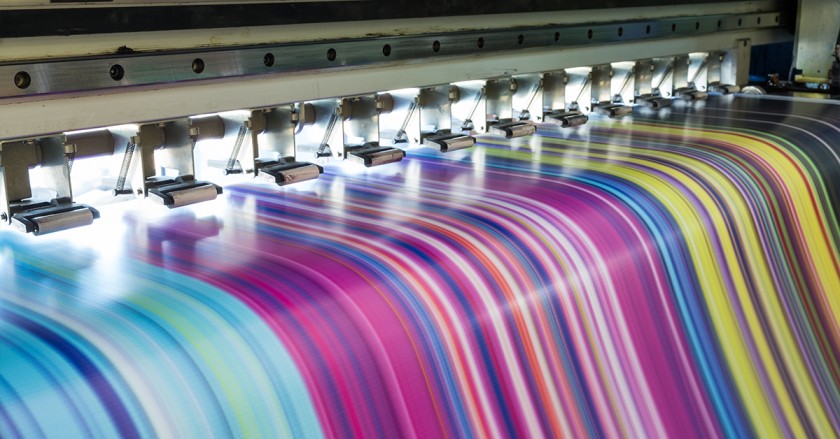
Large-format digital printer

A printing company Singapore businesses rely on provides professional printing services that transform digital designs into high-quality marketing materials, packaging, labels, and signage. Using modern technologies such as digital printing, offset printing, and UV printing, professional printers produce materials like brochures, business cards, banners, and sticker printing for product packaging and branding.

In Singapore’s competitive business environment, printed materials remain an important part of marketing and brand identity. Businesses require consistent colour accuracy, durable materials, and professional finishing to ensure their printed assets represent their brand effectively.

This article explores how a modern printing company in Singapore operates—from design preparation and material selection to printing technology, finishing techniques, and real-world commercial applications.

What Is a Printing Company in Singapore?

A printing company in Singapore provides professional services that convert digital designs into physical materials used for branding, marketing, and communication. These companies use advanced printing technologies, colour management systems, and finishing techniques to produce materials such as brochures, packaging labels, banners, and sticker printing for products and promotions.

Businesses rely on printing companies for consistent quality, reliable turnaround times, and the ability to produce materials at both small and large production volumes.

Typical projects handled by commercial printers include:

  • Business cards and corporate stationery
  • Brochures and marketing flyers
  • Product labels and packaging
  • Promotional sticker printing
  • Event banners and posters
  • Large-format signage and displays

Because Singapore has a highly competitive business landscape, companies expect precision printing and professional finishing that reflects their brand standards.

Printing Services Offered by a Printing Company in Singapore

Most professional printing companies in Singapore provide a wide range of commercial printing services designed for business marketing, branding, and product packaging.

Common services include:

  • Sticker printing for product packaging and promotional campaigns
  • Business card printing for corporate identity
  • Flyer and brochure printing for marketing campaigns
  • Label printing for retail products
  • Poster and banner printing for events
  • Packaging printing for retail and e-commerce products
  • Corporate stationery printing
  • Exhibition and event graphics

These services allow businesses to maintain consistent branding across both physical marketing materials and product packaging.

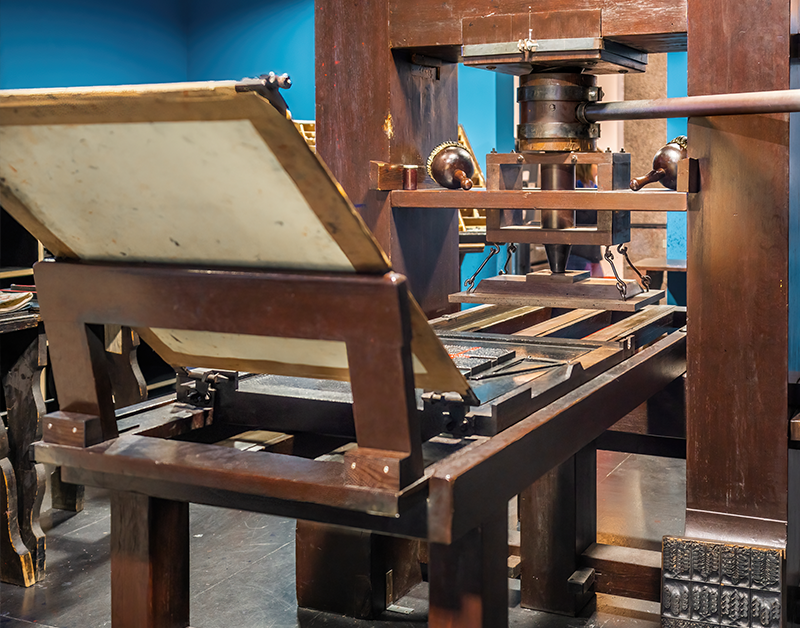
The Evolution of Printing Technology

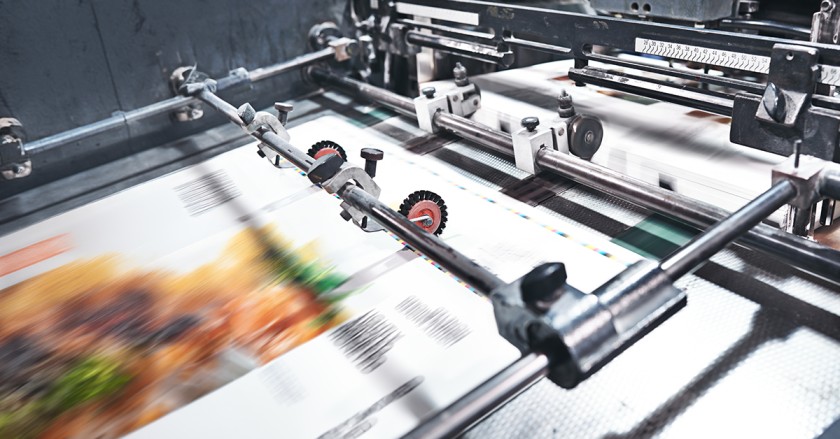
Traditional printing Singapore

Printing technology has evolved significantly over the past few decades. Traditional offset printing once dominated the industry, but modern printers now combine several technologies to improve efficiency, quality, and flexibility.

Today, a printing company in Singapore often uses multiple printing methods depending on the project.

Printing Method Best For Key Advantage
Digital Printing Short runs and fast projects Quick turnaround
Offset Printing High-volume production Cost-efficient for large quantities
UV Printing Specialty materials Durable and vibrant colours
Large Format Printing Banners and signage High visibility for marketing

These technologies allow printing companies to handle projects ranging from small marketing materials to large advertising displays.

How the Printing Process Works

Professional printing involves multiple stages designed to ensure the final printed materials match the original design and meet strict quality standards.

Design and Prepress Preparation

Every print project begins with the prepress stage, where digital files are prepared for printing.

Technicians review the design to ensure:

  • Proper colour mode (CMYK instead of RGB)
  • High image resolution
  • Correct bleed and trim settings
  • Compatible fonts and layouts

Colour calibration systems are used to ensure the printed output closely matches the approved design.

Material Selection

Material selection plays an important role in determining the durability and appearance of the final print.

Depending on the project, printers may use:

  • Coated or uncoated paper
  • Synthetic substrates
  • Vinyl materials
  • Adhesive films for sticker printing
  • Specialty packaging materials

For example, sticker printing often uses vinyl materials because they are waterproof, durable, and resistant to sunlight.

Common sticker finishes include:

  • Gloss laminate
  • Matte laminate
  • Transparent stickers
  • Waterproof vinyl stickers
  • Removable adhesive labels

Selecting the correct material ensures the printed product performs well in real-world environments.

Printing Production

Once the design and materials are approved, the production process begins.

Modern printing presses use automated systems to control:

  • Ink distribution
  • Colour accuracy
  • Print alignment
  • Production speed

Depending on the project size, printers may choose digital printing for smaller runs or offset printing for large production volumes.

Automation helps ensure consistent quality throughout the entire print run.

Finishing and Post-Production

After printing is completed, finishing techniques are applied to improve both durability and visual impact.

Common finishing processes include:

  • Lamination (gloss or matte)
  • Spot UV coating
  • Foil stamping
  • Folding and binding
  • Edge trimming
  • Die-cutting for custom shapes

For sticker printing, die-cutting allows custom shapes and sizes that enhance product packaging and branding.

Finishing is the final stage where printed materials achieve their professional appearance.

Why Sticker Printing Is Important for Businesses

Sticker printing is one of the most versatile services offered by a printing company in Singapore. Businesses use stickers because they provide an affordable way to enhance branding and product presentation.

Common uses include:

  • Product packaging labels
  • Promotional giveaways
  • Brand logos on packaging
  • Event marketing materials
  • Decorative branding graphics
  • Retail price labels

High-quality stickers must be durable enough to withstand moisture, sunlight, and frequent handling. Professional printers ensure this durability through specialised materials and protective laminates.

Industries That Use Printing Services in Singapore

Commercial printing supports many industries across Singapore’s economy. Businesses across different sectors rely on professional printing to maintain strong branding and communication.

Industries that frequently use printing services include:

  • Retail and e-commerce – packaging labels and promotional materials
  • Food and beverage – product labels and packaging graphics
  • Corporate businesses – marketing materials and stationery
  • Events and exhibitions – banners, displays, and promotional prints
  • Education institutions – course materials and promotional posters
  • Hospitality and tourism – brochures and informational signage

Because printed materials are highly visible, businesses depend on reliable printers to ensure professional presentation.

How Much Does Printing Cost in Singapore?

Printing costs in Singapore depend on several factors including print quantity, materials, finishing options, and production timelines.

Some key factors that affect printing costs include:

  • Number of copies produced
  • Paper or material type
  • Printing method (digital or offset)
  • Finishing options such as lamination or foil stamping
  • Urgent production or express delivery

Digital printing is typically more cost-effective for smaller quantities, while offset printing becomes more economical for larger production runs.

Working with an experienced printing company in Singapore helps businesses choose the most efficient printing method for their needs.

Quality Control in Professional Printing

Maintaining consistent quality across large print runs requires strict quality assurance procedures.

Professional printers typically perform several checks, including:

  • Colour calibration testing
  • Sample proof printing
  • Print alignment inspection
  • Material durability testing
  • Production batch monitoring

Proof copies are often produced before full production begins. This ensures colours, textures, and layouts meet expectations before large quantities are printed.

Quality control is especially important for projects involving packaging, marketing campaigns, or corporate branding materials.

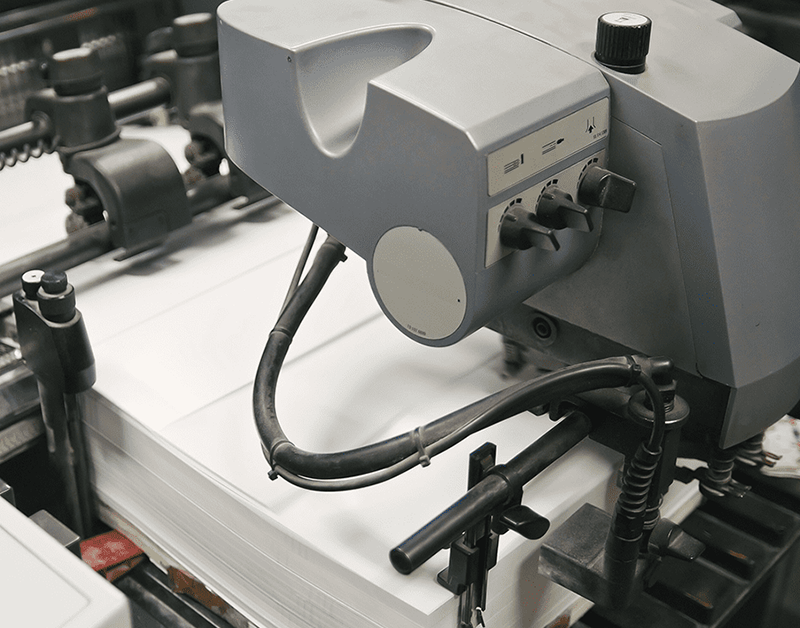
The Human Expertise Behind Modern Printing

Modern offset printing machine

While modern printing technology relies heavily on automation, skilled professionals remain essential to the process.

A typical printing company relies on a team that includes:

  • Graphic designers
  • Prepress specialists
  • Printing machine operators
  • Finishing technicians
  • Quality assurance inspectors

These professionals ensure that every project meets technical requirements and aesthetic expectations. Their expertise helps translate creative ideas into professional printed materials.

How to Choose the Right Printing Company in Singapore

Choosing the right printing partner can significantly impact the quality and reliability of your printed materials.

When evaluating a printing company in Singapore, consider the following factors:

  • Printing technology and equipment available
  • Range of services such as sticker printing and packaging printing
  • Experience handling commercial printing projects
  • Quality control procedures
  • Production turnaround times
  • Customer consultation and support

Working with an experienced printing provider ensures your materials are produced efficiently while maintaining consistent quality.

Frequently Asked Questions

1. What services does a printing company in Singapore offer?

A printing company in Singapore typically offers services such as business card printing, brochure printing, sticker printing, label printing, banner printing, packaging printing, and large-format signage production. Many printing companies also provide design support, finishing services, and material consultation to ensure high-quality printed results.

2. Why is sticker printing popular for businesses?

Sticker printing is popular because it is affordable, versatile, and effective for branding. Businesses use stickers for product packaging, promotional campaigns, event marketing, and brand labels. Durable sticker materials such as vinyl ensure the printed graphics remain intact even when exposed to moisture or sunlight.

3. What is the difference between digital printing and offset printing?

Digital printing is ideal for short-run projects and quick turnaround jobs because it requires minimal setup. Offset printing is more suitable for large production volumes because it offers better cost efficiency and consistent colour reproduction across thousands of printed materials.

4. What materials are commonly used for sticker printing?

Sticker printing typically uses vinyl, polypropylene, or coated paper materials. Vinyl stickers are especially popular because they are waterproof, durable, and resistant to fading. Laminated finishes such as matte or gloss coatings provide additional protection and improve visual appearance.

5. How long does a printing project usually take?

Production timelines depend on factors such as quantity, materials, and finishing requirements. Small digital print jobs may be completed within one or two days, while large printing projects involving offset printing or custom finishing may take several days.

6. What should businesses look for in a printing company?

Businesses should consider printing technology, service range, material quality, and turnaround time when choosing a printing company. A reliable printer should also provide colour accuracy, quality control checks, and consultation to ensure the final printed materials meet branding requirements.

Work with a Professional Printing Company in Singapore

If your business requires reliable printing services, partnering with an experienced printing company in Singapore ensures consistent branding and professional-quality materials. From sticker printing and product labels to marketing brochures and large-format signage, professional printers help transform digital designs into impactful printed assets.

To explore professional printing solutions for your business, visit Printsys and discover how high-quality commercial printing can support your branding and marketing efforts.