

Packaging Printing Guide: How Custom Packaging Builds Better Brands
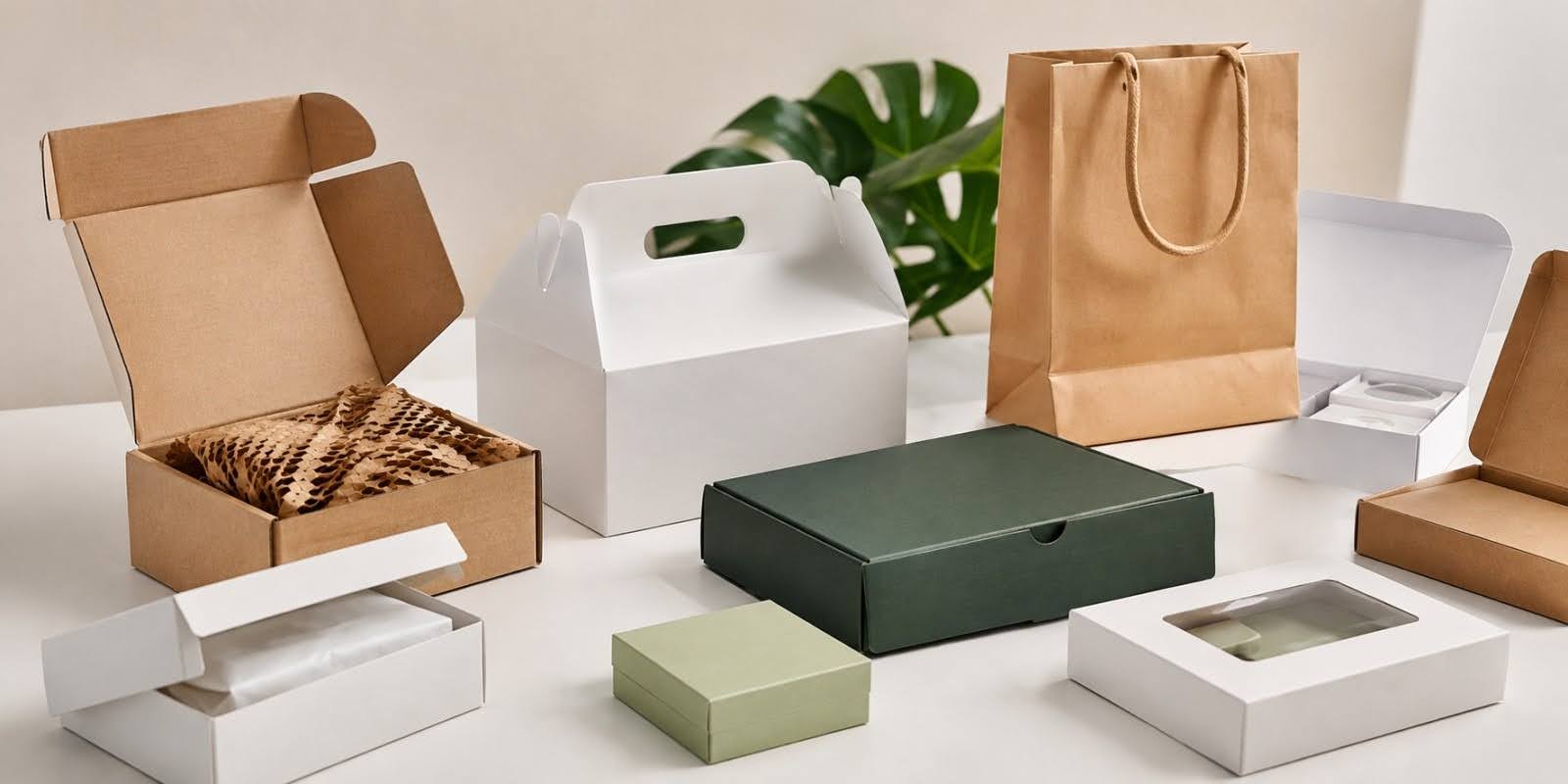
Packaging has two jobs that businesses cannot afford to separate: it must protect and contain the product, while also communicating what the brand represents.
Before a customer touches or uses a product, its packaging may already have influenced expectations about quality, price, purpose and positioning. Colours, typography, materials, imagery and print finishing can make a product look premium, practical, natural, technical or playful before the package is even opened.
This makes packaging printing an important part of both product presentation and brand communication.
However, effective custom packaging involves more than placing a logo on a box. Businesses need to consider the packaging structure, printing method, materials, product environment, production quantity and finishing requirements together.
A premium cosmetic box, food package and e-commerce shipping carton have very different requirements. Using the same printing and material strategy for all three would ignore how the packaging actually functions.
For businesses in Singapore, the goal should therefore be to create printed packaging that looks consistent with the brand while remaining practical for the product, supply chain and customer experience.
Importance of Packaging
Packaging is often one of the most tangible brand touchpoints a customer encounters.
Unlike a digital advertisement that may disappear within seconds, packaging can remain with the customer throughout purchasing, transportation, storage and product use.
Packaging Creates the First Physical Impression
A customer encountering a product for the first time may judge it based partly on:
- Packaging design
- Print quality
- Material
- Colour
- Typography
- Product information
- Overall presentation
These elements influence whether the product appears appropriate for its intended market.
For example, a luxury product presented in poorly printed packaging can create a mismatch between the brand promise and the physical experience.
Likewise, a simple everyday product does not necessarily need elaborate packaging. Clean, readable and well-produced packaging may communicate the brand more effectively than excessive decoration.
Packaging Communicates Product Information
Printed packaging also performs an informational role.
Depending on the product, it may communicate:
- Product name
- Brand
- Product variant
- Instructions
- Ingredients
- Specifications
- Warnings
- Storage information
- Barcodes
- QR codes
- Contact details
Information hierarchy matters.
Customers should be able to identify the product quickly before moving to supporting details.
A useful hierarchy might be:
Brand → Product → Variant → Key information → Supporting details
Trying to make every element equally prominent can result in visually crowded packaging.
Packaging Supports Product Differentiation
Retail shelves and e-commerce environments can place competing products close together.
Distinctive product packaging can help customers identify a particular brand through consistent:
- Colours
- Shapes
- Logos
- Typography
- Graphic styles
The goal is not simply to make packaging louder than competitors. Recognition can also come from simplicity and consistency.
Packaging Extends the Customer Experience
The role of packaging does not necessarily end after purchase.
For e-commerce businesses, opening a parcel may be the customer’s first physical interaction with the company.
Printed elements such as:
- Branded boxes
- Packaging labels
- Product stickers
- Inserts
- Thank-you cards
can create a more coherent experience from delivery to product use.
Printing Options
Different packaging printing options suit different quantities, materials and design requirements.
The printing method should be selected according to the project rather than chosen independently.
Digital Printing
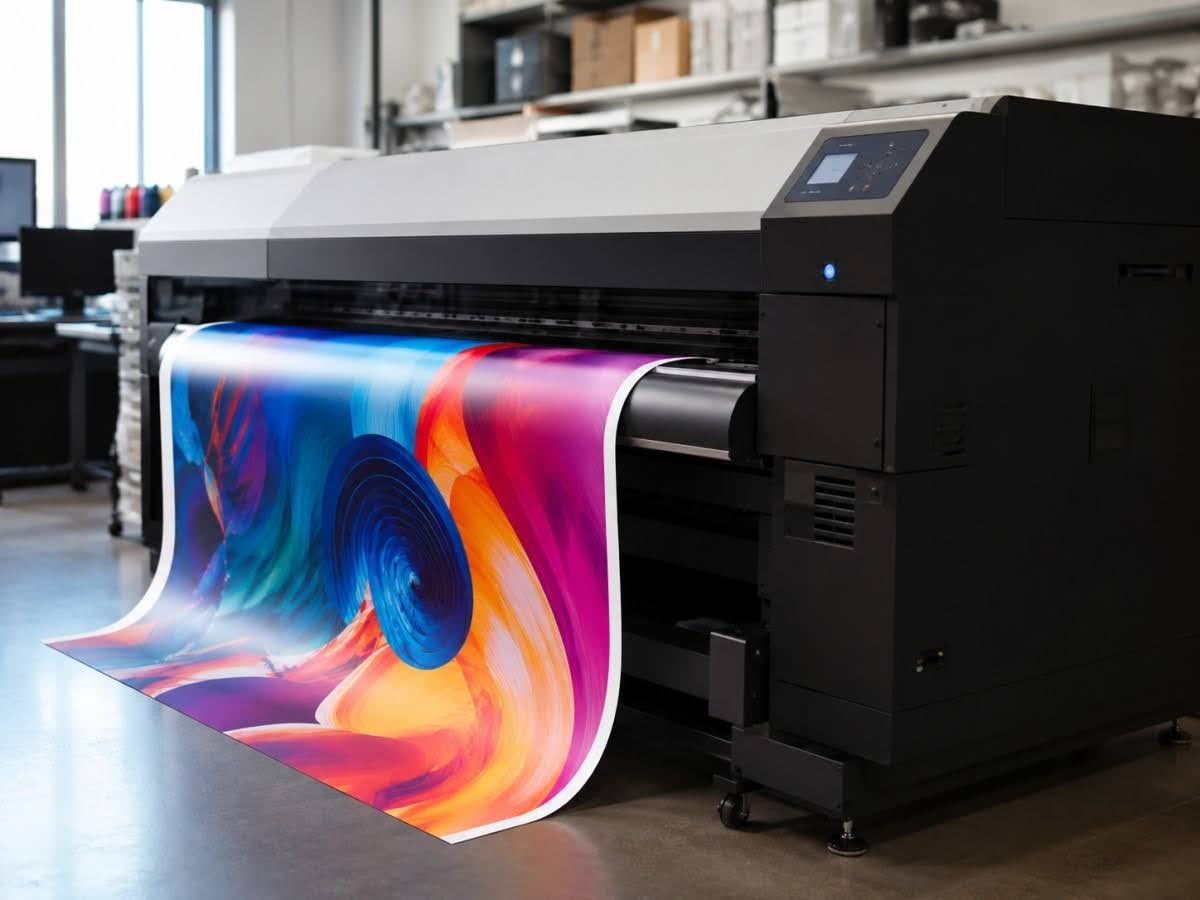
Digital printing produces artwork directly from digital files without requiring conventional printing plates.
It can be suitable for:
- Shorter production runs
- Prototype packaging
- Multiple product variants
- Seasonal packaging
- Test launches
- Frequently changing designs
For example, a business launching three new product flavours may want relatively small quantities of each design before committing to larger production.
Digital printing can provide flexibility in this situation.
Offset Printing
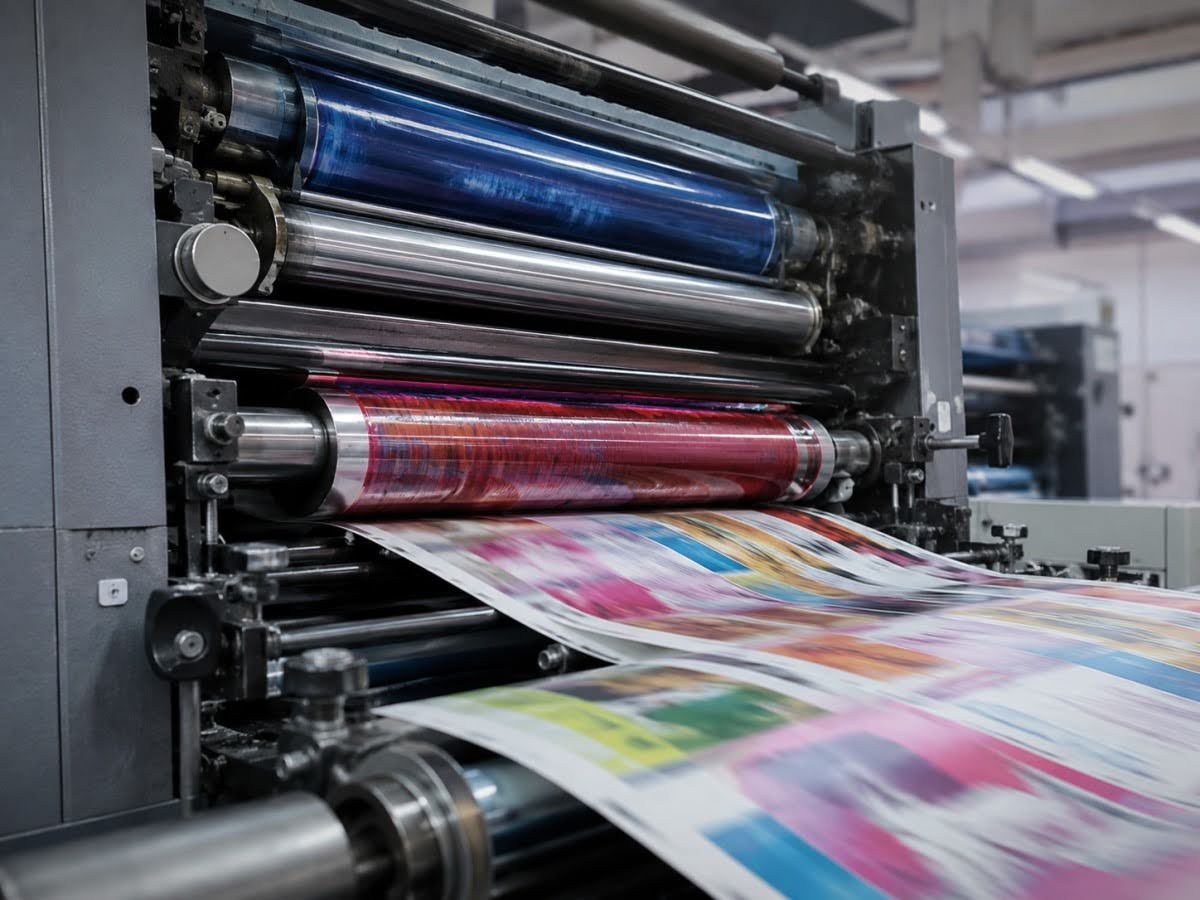
Offset printing uses printing plates and is widely used for suitable commercial printing projects.
It can become efficient for larger quantities of consistent printed packaging.
Potential advantages include:
- Strong print quality
- Consistency across larger runs
- Suitability for selected paper and board applications
- Efficient production at appropriate volumes
Because setup is more involved, offset may be less economical for very small quantities.
Flexographic Printing
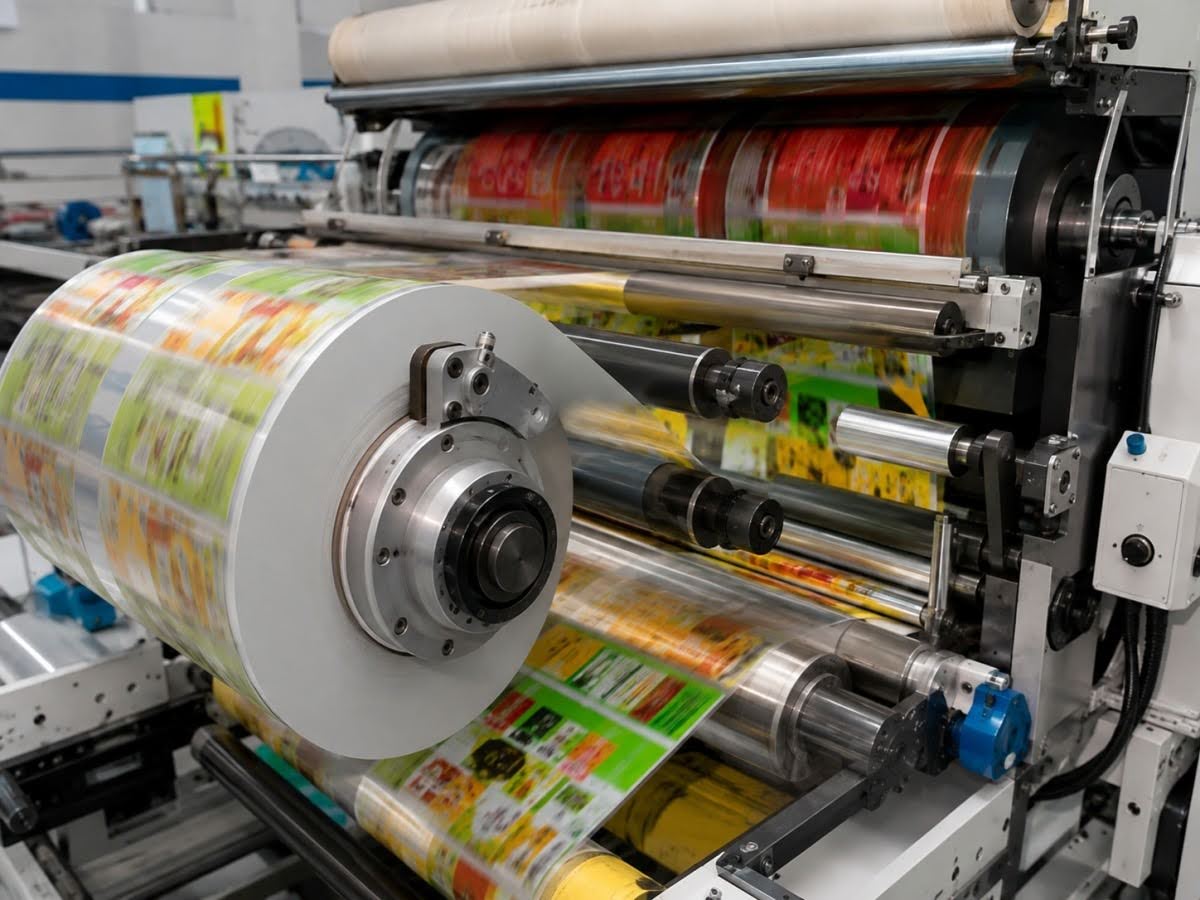
Flexographic printing is commonly associated with packaging and label production.
It can be used for suitable applications involving:
- Packaging labels
- Flexible packaging
- Corrugated materials
- High-volume production
The technology uses flexible printing plates and can work with different packaging substrates depending on the production system.
Packaging Labels
Not every business needs fully printed custom packaging.
One practical alternative is to combine standard packaging with custom packaging labels.
For example:
Plain box + branded label + printed insert
can create a branded presentation without requiring every surface of the package to be custom printed.
This approach may be particularly useful for:
- Smaller businesses
- Product testing
- Limited production runs
- Seasonal products
- Multiple product variations
Variable Data Printing
Some packaging may require information that changes between products.
Examples include:
- Serial numbers
- QR codes
- Batch information
- Unique promotional codes
Digital variable data printing can support these requirements.
This can connect printed packaging with inventory, marketing or authentication processes.
Packaging Materials
Packaging materials influence appearance, structural performance, print compatibility and cost.
The correct material depends on what the package needs to contain and how it will be handled.
Paperboard
Paperboard is widely used for retail packaging.
Applications can include:
- Cosmetic boxes
- Food cartons
- Pharmaceutical packaging
- Consumer goods
- Product sleeves
It provides a printable surface and can be cut, folded and formed into different structures.
Different weights and grades are available depending on the required strength and presentation.
Corrugated Board
Corrugated materials are commonly used where greater structural protection is needed.
Applications include:
- Shipping cartons
- E-commerce boxes
- Product transport packaging
- Larger retail packaging
Corrugated packaging can also carry branding, instructions and product information.
For e-commerce businesses, branded corrugated packaging can combine transportation functionality with customer-facing presentation.
Kraft Materials
Kraft paper and board have a natural brown appearance that can complement certain brand identities.
They are often associated visually with:
- Natural products
- Artisan goods
- Handmade products
- Minimal packaging
However, businesses should not assume that brown packaging is automatically environmentally superior.
Environmental performance depends on factors such as material composition, recycled content, coatings and disposal pathways—not colour alone.
Labels and Adhesive Materials
Packaging labels may use:
- Paper
- Vinyl
- Polypropylene
- PET
- Transparent films
- Other synthetic materials
Material selection should account for the packaging surface and environment.
For example, paper may work well on a dry box, while waterproof or moisture-resistant labels may be more appropriate for chilled or frequently handled products.
Flexible Packaging
Some products use flexible packaging such as pouches and films.
Applications can include:
- Snacks
- Food products
- Household goods
- Personal care products
Printing compatibility depends on the exact film and production method.
Barrier requirements, sealing and product compatibility should also be considered separately from visual printing requirements.
Branding Benefits
Custom printed packaging can strengthen branding when it is treated as part of a consistent visual system.
Builds Recognition
Repeated exposure to consistent packaging elements can make a product easier to recognise.
These elements can include:
- Logo
- Colour palette
- Typography
- Illustration style
- Label shape
- Packaging structure
A business with several products can maintain the same core visual system while using colours or other design elements to differentiate variants.
Communicates Positioning
Packaging can help communicate where a product sits in the market.
A premium product might use:
- Restrained typography
- High-quality board
- Matte surfaces
- Selective foil
- Embossing
A colourful consumer product might use:
- Bright graphics
- Gloss finishes
- Strong illustrations
- Custom shapes
Neither strategy is automatically better.
The appropriate packaging design is the one that reflects the brand and customer expectations.
Improves Product Consistency
When businesses establish packaging guidelines, different products can feel connected even if they have different sizes or functions.
Guidelines might define:
- Logo placement
- Core colours
- Typography
- Information hierarchy
- Product naming conventions
- Photography style
- Finishing principles
This is particularly useful as product ranges expand.
Creates Space for Brand Communication
Printed packaging can communicate more than a product name.
Depending on available space, businesses can include:
- Brand story
- Product benefits
- Instructions
- Usage suggestions
- QR codes
- Contact information
The important point is to avoid overcrowding.
Every piece of information should earn its place on the package.
Connects Offline and Digital Branding
QR codes can connect packaging with digital content.
A QR code might direct customers to:
- Product instructions
- Registration pages
- Videos
- Reordering pages
- Customer support
- Promotional campaigns
This allows packaging to function as an entry point into a broader digital experience.
Sustainability
Sustainability is increasingly considered during packaging decisions, but businesses should avoid reducing the issue to simple claims such as “paper is sustainable” or “plastic is unsustainable.”
Packaging sustainability involves multiple factors.
Reduce Unnecessary Material
One of the most direct approaches is reducing unnecessary packaging.
Businesses can evaluate whether the product uses:
- Oversized boxes
- Unnecessary inserts
- Multiple decorative layers
- Excessive empty space
Using less material can reduce both packaging consumption and transportation volume.
Select Materials Based on the Complete Application
A material should still perform its primary function.
Choosing packaging that fails during transportation or causes product damage can create additional waste.
Businesses should balance:
- Material use
- Protection
- Weight
- Durability
- Printability
- End-of-life considerations
Consider Recycled Content
Depending on the packaging type and supplier, paper and board materials may be available with recycled content.
Businesses should verify specifications rather than making assumptions based on appearance.
Avoid Unnecessary Finishing
Print finishing can improve presentation and protection, but unnecessary layers can complicate material use.
Businesses should ask whether processes such as:
- Lamination
- Foil
- Specialty coatings
provide genuine functional or branding value.
If they do not, simpler packaging may be more appropriate.
Design for Appropriate Disposal
Packaging design can also consider how customers handle the material after use.
Where practical, businesses can provide clear disposal information.
However, claims such as recyclable, biodegradable or compostable should only be used when they accurately reflect the material and relevant conditions.
Avoid Greenwashing
Packaging should not imply environmental benefits that cannot be supported.
Terms such as:
- Eco-friendly
- Green
- Sustainable
can be vague without evidence.
Businesses should use specific, supportable information wherever possible.
For example, communicating verified recycled content is more informative than using a green leaf icon without explanation.
Choosing a Printing Partner
The right packaging printing partner should understand both print production and the intended packaging application.
Look at Relevant Capabilities
Depending on the project, businesses may need:
- Digital printing
- Offset printing
- Label printing
- Die cutting
- Lamination
- Foil
- UV finishing
- Folding
- Other packaging finishing
A printing company should explain which capabilities are relevant rather than simply recommending the maximum number of options.
Discuss the Product
The printer should know what the packaging will contain and how it will be used.
Useful information includes:
- Product type
- Packaging dimensions
- Weight
- Storage conditions
- Quantity
- Distribution method
- Desired appearance
These details can affect material and production recommendations.
Review Packaging Samples
Physical samples can reveal characteristics that digital images cannot.
Businesses can assess:
- Material thickness
- Colour
- Texture
- Folding
- Print quality
- Finishing
For important packaging projects, prototypes can be valuable before larger-scale production.
Check Artwork Requirements
Packaging artwork may require more technical preparation than a simple flyer.
Files may need to account for:
- Bleed
- Safe areas
- Dielines
- Fold lines
- Cut lines
- Colour mode
- Image resolution
- Finishing layers
The printing company should provide clear artwork specifications.
Compare Like-for-Like Quotations
Packaging quotations can differ because specifications differ.
Before comparing price, check:
- Material
- Thickness
- Dimensions
- Quantity
- Printing method
- Number of colours
- Finishing
- Die cutting
- Assembly requirements
- Delivery
A cheaper quotation using a different material or fewer finishing processes is not a direct comparison.
Consider Scalability
A business may begin with small production volumes and grow later.
It can therefore be useful to understand whether the printing partner can support:
- Prototypes
- Short runs
- Larger production quantities
- Multiple product variants
- Repeat orders
This can reduce the need to redesign the production workflow as the business expands.
Assess Quality Control
Packaging needs consistent:
- Dimensions
- Cutting
- Folding
- Colour
- Print placement
- Finishing
Poor consistency can create problems beyond appearance.
If a box or label is produced at the wrong size, it may not fit the product correctly.
Quality control should therefore be considered part of packaging functionality.
Frequently Asked Questions About Packaging Printing
What is packaging printing?
Packaging printing is the process of applying branding, product information, graphics and other printed elements to packaging materials such as boxes, cartons, labels, sleeves and flexible packaging.
Why is packaging important for branding?
Packaging creates a physical brand touchpoint and can communicate identity through logos, colours, typography, materials and finishing. Consistency can help customers recognise products more easily.
What printing methods are used for packaging?
Digital, offset and flexographic printing are among the methods used for different packaging applications. The appropriate method depends on material, quantity, artwork and production requirements.
Is digital printing suitable for custom packaging?
Yes. Digital printing can be useful for prototypes, shorter runs, multiple product variants and packaging designs that change frequently.
What materials are commonly used for product packaging?
Common materials include paperboard, corrugated board, kraft materials, labels and flexible packaging films. The appropriate material depends on product protection, printing and presentation requirements.
Can standard boxes be customised with packaging labels?
Yes. Businesses can combine standard boxes or containers with custom printed labels, stickers, sleeves or inserts to create branded packaging.
How can packaging improve brand recognition?
Consistent use of brand colours, logos, typography, layouts and packaging structures can make products easier for customers to recognise across a range.
Does sustainable packaging always mean paper packaging?
No. Sustainability depends on multiple factors, including material quantity, recycled content, transportation, durability and end-of-life options. Paper alone does not automatically make packaging sustainable.
Can packaging printing include QR codes?
Yes. QR codes can link physical packaging to instructions, product pages, videos, registration, support or promotional content.
What is print finishing in packaging?
Print finishing includes processes applied during or after printing, such as lamination, foil, UV coating, embossing and die cutting. Finishes can affect appearance, protection and functionality.
How can businesses reduce packaging costs?
Businesses can review material specifications, avoid unnecessary finishing, optimise packaging dimensions, compare suitable printing methods and order quantities aligned with actual demand.
What information does a packaging printer need?
A printer may need dimensions, quantity, material preferences, artwork, product type, finishing requirements and information about how the package will be stored or handled.
Should businesses produce a packaging prototype?
For important or complex packaging projects, prototypes can be valuable. They allow businesses to evaluate dimensions, material, artwork and presentation before committing to a larger production run.
Turn Every Package Into a Brand Touchpoint
Strong packaging does not need to rely on excessive decoration. The right combination of structure, printing, material and carefully selected finishing can create packaging that protects the product while making the brand easier to recognise.
For businesses planning packaging printing, custom packaging, packaging labels or other commercial printing requirements, Printsys Pte Ltd can help evaluate suitable printing methods, packaging materials and finishing options based on the product and production requirements. Get in touch with Printsys today!