Vinyl Stickers Singapore: Custom Waterproof Vinyl Sticker Printing

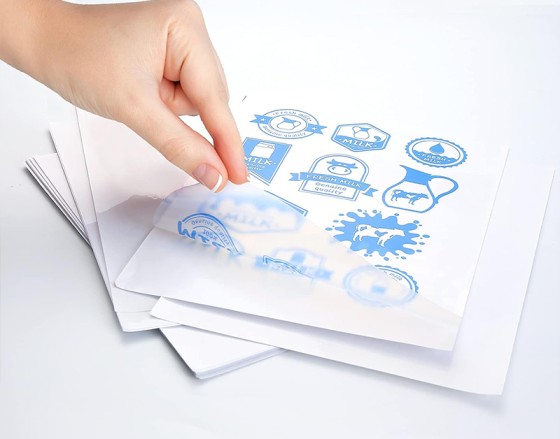
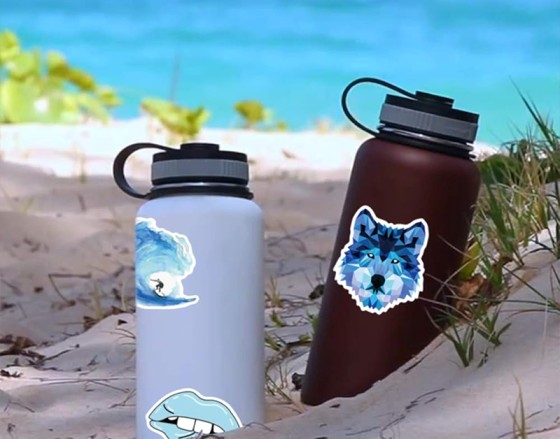
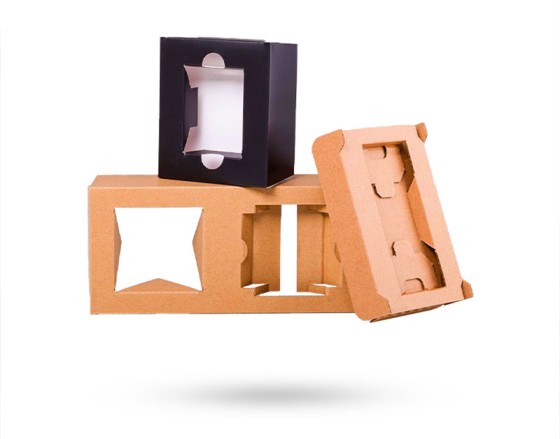
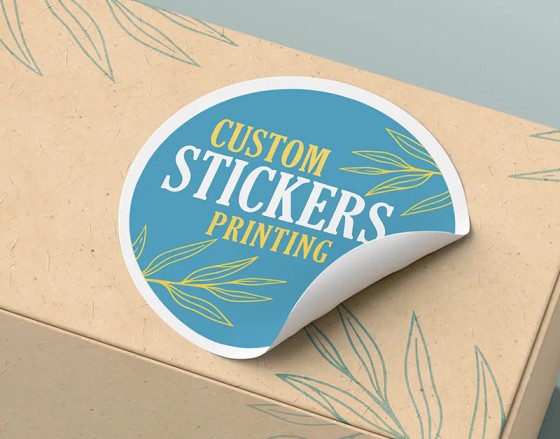
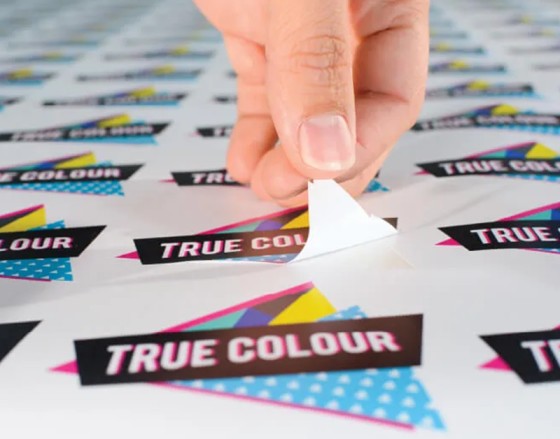
Die-cut vinyl stickers display

Singapore’s tropical climate can quickly damage ordinary stickers. Heat, humidity, and sudden rainfall often cause paper labels to peel, wrinkle, or fade prematurely. Businesses that rely on packaging labels, promotional materials, or outdoor branding need stickers that maintain their appearance over time.

Vinyl stickers are widely used because they are waterproof, UV-resistant, and highly durable. The material performs reliably in both indoor and outdoor environments, making it suitable for product packaging, storefront displays, vehicles, and equipment labels.

For businesses in Singapore, vinyl sticker printing offers a dependable solution that keeps branding clear and professional even under demanding environmental conditions.

What Are Vinyl Stickers and Why Businesses Use Them

Vinyl stickers are adhesive labels made from polyvinyl chloride (PVC) designed for long-term durability. Unlike paper stickers, vinyl stickers resist moisture, UV exposure, and temperature changes. Because of their waterproof and flexible properties, they are widely used for product packaging, outdoor branding, vehicle decals, and equipment labelling.

The PVC material allows the sticker to remain stable even when exposed to Singapore’s humid climate. When paired with strong adhesives and protective lamination, vinyl stickers can maintain their colour, structure, and adhesion for years.

This reliability makes vinyl stickers a preferred option for businesses that require consistent branding across products, packaging, and promotional materials.

Why Vinyl Stickers Are the Most Durable Sticker Material
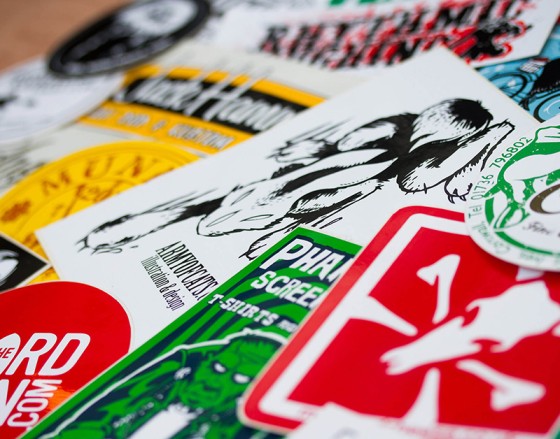
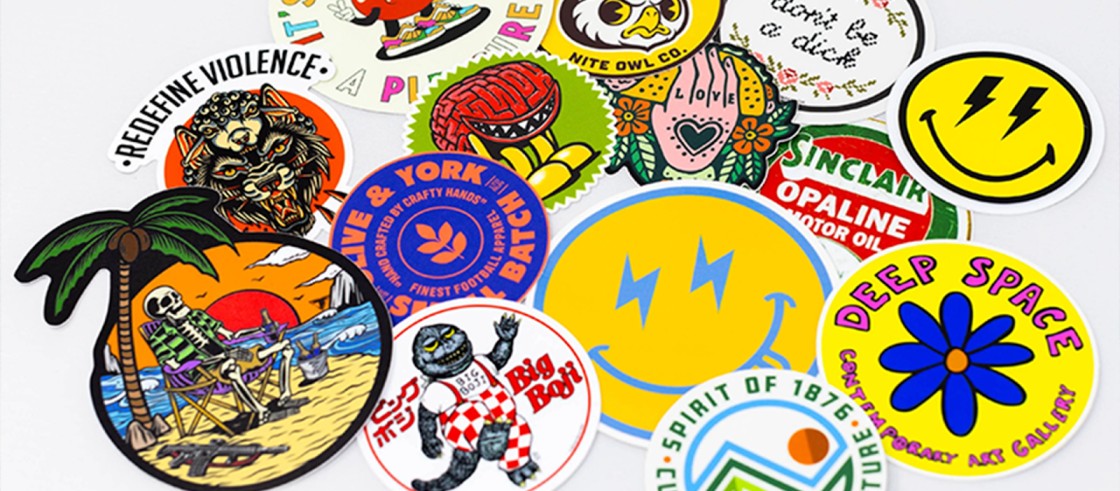
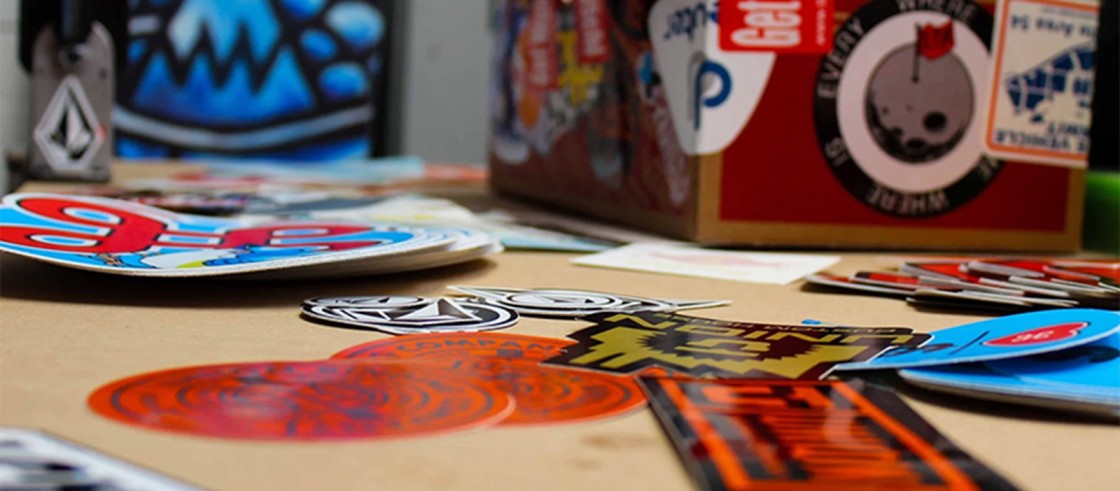
Branded vinyl stickers collection

Vinyl stickers are widely considered the most durable type of adhesive label. The PVC material is flexible, tear-resistant, and resistant to moisture and UV exposure. These properties allow vinyl stickers to maintain their shape, colour, and adhesion even in demanding indoor or outdoor environments.

Key durability advantages include:

Flexible Yet Tear-Resistant Material

Vinyl can bend and conform to curved surfaces without cracking. This flexibility makes it ideal for items such as bottles, helmets, laptops, and vehicles where flat labels would normally fail.

Stable Under Temperature Changes

Vinyl stickers maintain their structure even when exposed to heat or cooler temperatures. Unlike paper labels that may wrinkle or shrink, vinyl remains smooth and stable.

Strong Adhesive Bond

High-quality vinyl stickers use durable adhesives that attach securely to surfaces such as:

  • Glass
  • Plastic
  • Metal
  • Acrylic
  • Painted surfaces
  • Coated paper

This adhesive strength helps stickers remain firmly in place even in humid environments or high-traffic settings.

Waterproof Vinyl Stickers for Singapore’s Humid Climate
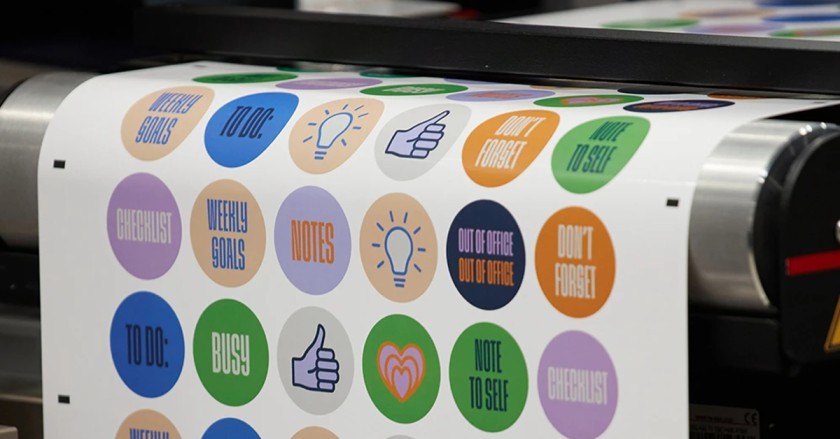
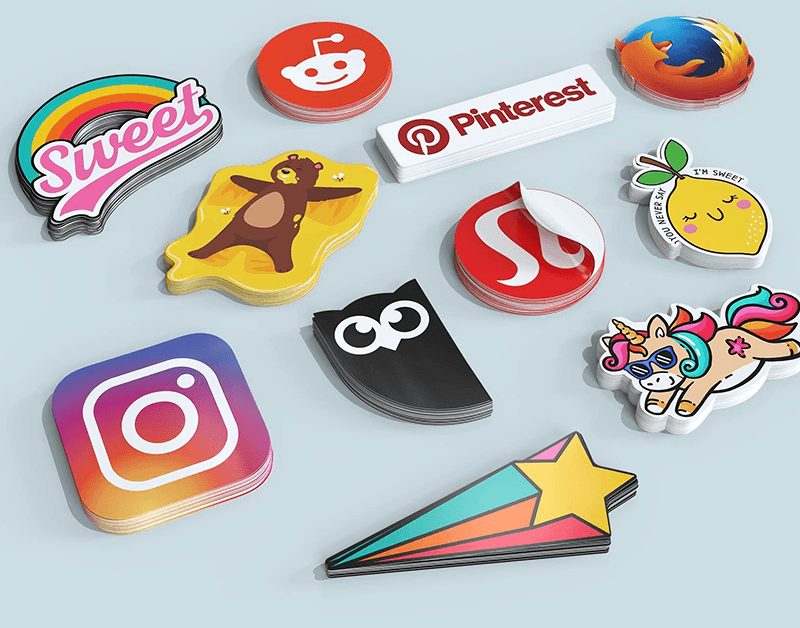
Custom vinyl stickers printing

Singapore experiences consistently high humidity and frequent rainfall, making waterproof materials essential for long-lasting labels.

Vinyl stickers provide excellent moisture protection because the PVC base layer naturally repels water. When combined with lamination, the printed design is sealed against moisture exposure.

Waterproof vinyl stickers prevent common issues such as:

  • Ink smudging
  • Sticker bubbling
  • Adhesive failure
  • Label warping

Because of these properties, waterproof vinyl stickers are commonly used for:

  • Beverage bottles
  • Cosmetic packaging
  • Food packaging labels
  • Refrigerated product containers
  • Outdoor promotional stickers

This moisture resistance ensures branding remains readable and professional even when exposed to condensation or rain.

UV-Resistant Vinyl Stickers for Outdoor Branding

Sunlight can gradually fade many printed materials. Stickers used on storefronts, vehicles, or outdoor signage must withstand constant exposure to UV radiation.

Vinyl stickers can be laminated with UV-resistant protective layers that help prevent colour fading and material degradation.

Benefits of UV-protected vinyl stickers include:

  • Colours remain vibrant for longer periods
  • Text and graphics stay readable
  • Stickers maintain professional appearance
  • Outdoor branding remains consistent

This durability is one reason why many businesses choose vinyl stickers for vehicle decals, window graphics, and outdoor promotional materials.

Indoor and Outdoor Applications for Vinyl Stickers

Vinyl stickers are highly versatile and can be used across many industries. Their durability allows them to perform well in environments that would quickly damage paper labels.

Common applications include:

  • Product packaging labels for cosmetics, beverages, and retail products
  • Retail window decals used in storefront promotions
  • Vehicle branding stickers for company cars or delivery fleets
  • Equipment identification labels for machinery and tools
  • Laptop and promotional stickers used in marketing campaigns

Because vinyl stickers maintain clarity and adhesion across various surfaces, businesses can use them confidently in both indoor and outdoor environments.

Common Types of Vinyl Stickers Used for Business Branding

Different types of vinyl stickers serve different branding and packaging needs. Understanding these options helps businesses choose the right format for their applications.

Die-Cut Vinyl Stickers

Die-cut stickers are cut precisely around the shape of the design. This format is commonly used for promotional stickers, product branding, and logo stickers.

Kiss-Cut Vinyl Stickers

Kiss-cut stickers are cut through the vinyl layer but remain attached to the backing sheet. They are often used for sticker sheets or labels that require easy peeling.

Transparent Vinyl Stickers

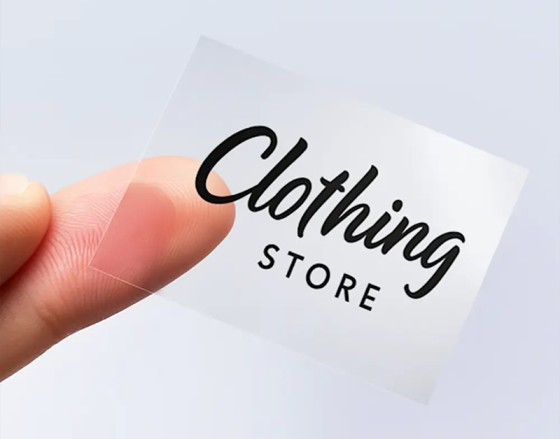
Transparent vinyl stickers have a clear background that blends with the surface they are applied to. These are frequently used for glass packaging, windows, and minimalist branding designs.

Laminated Vinyl Stickers

Laminated vinyl stickers include an additional protective layer that improves scratch resistance, UV protection, and waterproof durability.

Selecting the correct sticker type ensures the material performs well in its intended environment.

Vinyl Stickers vs Paper Stickers

Businesses often compare vinyl stickers with paper labels when choosing printing materials. While paper stickers may be cheaper initially, vinyl provides significantly better durability.

Feature Vinyl Stickers Paper Stickers
Durability Very high Low
Waterproof Yes No
UV Resistant Yes No
Outdoor Use Excellent Poor
Lifespan 3–7 years Months

Because vinyl stickers last longer and require fewer replacements, they often provide better long-term value.

Why Businesses in Singapore Choose Vinyl Sticker Printing

Companies in Singapore rely on vinyl sticker printing because the material performs well in humid and high-temperature environments. Packaging labels, promotional graphics, and equipment tags must remain readable and intact despite constant exposure to moisture and sunlight.

Vinyl stickers provide several advantages:

  • Long lifespan compared to paper stickers
  • Reliable adhesion on multiple surfaces
  • Resistance to humidity and rain
  • UV protection for outdoor applications
  • High-quality print clarity

These qualities make vinyl stickers a practical choice for businesses seeking reliable and professional branding solutions.

Cost Efficiency of Vinyl Stickers for Long-Term Use

Although vinyl stickers cost slightly more than standard paper labels, they offer greater durability. High-quality vinyl stickers can last three to seven years outdoors and even longer indoors.

Because they require fewer replacements, vinyl stickers often reduce long-term printing and maintenance costs. Businesses that rely heavily on packaging labels or outdoor branding typically find vinyl to be a more cost-efficient solution.

Frequently Asked Questions

1. Why are vinyl stickers suitable for Singapore’s climate?

Vinyl stickers are designed to handle humidity, rain, and strong sunlight. The PVC material repels moisture, while UV-resistant laminates protect colours from fading. These features make vinyl stickers ideal for Singapore’s tropical climate and long-term outdoor branding.

2. Are vinyl stickers waterproof?

Yes. Vinyl stickers are naturally water-resistant because PVC repels moisture. When laminated, the sticker becomes waterproof and protects printed ink from smudging, peeling, or bubbling caused by rain or condensation.

3. Do vinyl stickers fade in sunlight?

High-quality vinyl stickers include UV-protective laminates that reduce colour fading. This protection helps maintain vibrant graphics and readable text even when stickers are exposed to direct sunlight for extended periods.

4. What surfaces can vinyl stickers stick to?

Vinyl stickers adhere well to smooth surfaces such as glass, plastic, metal, acrylic, painted materials, and coated paper. Their strong adhesive ensures reliable bonding even in humid indoor environments or outdoor conditions.

5. Are vinyl stickers suitable for outdoor branding?

Yes. Vinyl stickers are widely used for vehicle decals, storefront windows, equipment labels, and promotional signage because they resist weather exposure and maintain strong adhesion.

6. How long do vinyl stickers last?

Vinyl stickers typically last three to seven years outdoors depending on weather exposure and laminate quality. Indoors, they can last even longer while maintaining colour clarity and adhesive strength.

7. Are vinyl stickers better than paper stickers?

Vinyl stickers are significantly more durable than paper stickers. They resist moisture, UV exposure, and temperature changes, while paper stickers are more prone to tearing, fading, and peeling.

Get Durable Vinyl Stickers for Your Business

If your business needs vinyl stickers in Singapore that remain clear, durable, and professional over time, choosing the right printing partner is essential.

Printsys provides high-quality vinyl sticker printing designed for product packaging, branding, equipment labels, and promotional materials. With durable materials, precise cutting, and protective laminates, your stickers remain vibrant and secure even in demanding environments.
Get in touch today.


Transparent Sticker Printing Singapore: A Complete Guide to Clear Labels for Modern Packaging

Transparent sticker printing Singapore

Packaging design continues to evolve toward clean, minimal aesthetics that allow products to stand out naturally. One approach that has become increasingly popular among businesses is transparent sticker printing in Singapore, where clear adhesive labels are used to present branding without hiding the product itself.

Transparent stickers allow companies to display logos, product information, and decorative elements while keeping the packaging surface visible. Instead of covering containers with opaque labels, businesses can maintain a sleek appearance that integrates the product into the overall design.

As more brands prioritise modern packaging and premium visual presentation, transparent sticker printing has become a preferred solution for industries such as cosmetics, food and beverage, lifestyle products, and retail packaging. When combined with thoughtful design and high-quality printing, transparent stickers can elevate packaging while maintaining clarity and visual balance.

What Is Transparent Sticker Printing Singapore?

Transparent sticker printing in Singapore refers to the production of clear adhesive labels that allow the packaging surface or product beneath the label to remain visible. These labels are typically printed on transparent materials such as clear vinyl, polyester, or BOPP film.

Unlike traditional labels that fully cover packaging surfaces, transparent stickers allow branding elements to appear directly on the product container. This approach creates a modern packaging design while maintaining visibility of the product’s colour, texture, or contents.

Because transparent materials allow light to pass through, designers often use white ink layers or selective opacity to ensure that text and graphics remain readable against different packaging backgrounds.

Why Businesses Use Transparent Sticker Printing Singapore

Many companies adopt transparent sticker printing in Singapore because it combines modern aesthetics with practical packaging benefits.

Transparent stickers offer several advantages:

  • Clean and minimal packaging design that aligns with modern branding trends
  • Product visibility that builds customer trust and transparency
  • Flexible application across glass, plastic, and metal packaging
  • Premium visual presentation without heavy label coverage
  • Versatile design possibilities including layered transparency effects

These benefits make transparent sticker printing especially valuable for brands that want their packaging to look sophisticated while still showcasing the product.

Key Advantages of Transparent Sticker Printing

Transparent sticker printing provides several functional and visual advantages for packaging design.

Key benefits include:

  • maintaining product visibility while displaying branding
  • creating clean, minimal packaging aesthetics
  • allowing flexible placement of design elements
  • supporting layered and dimensional design techniques
  • improving shelf appeal for retail products

These features make transparent labels a practical choice for packaging that aims to balance simplicity with strong branding.

Types of Transparent Stickers Used in Packaging

Types of Transparent Stickers Used in Packaging

Businesses using transparent sticker printing Singapore can choose from several types of clear labels depending on packaging needs and durability requirements.

Clear Vinyl Stickers

Clear vinyl stickers are waterproof, flexible, and highly durable. They are commonly used for bottles, cosmetic containers, and packaging exposed to moisture or frequent handling.

Transparent BOPP Stickers

BOPP (biaxially oriented polypropylene) stickers are lightweight, oil-resistant, and suitable for food packaging applications. They are widely used on jars, beverage bottles, and food containers.

Static Cling Transparent Stickers

Static cling stickers attach to surfaces without adhesive and are typically used for glass displays, promotional materials, and window applications.

Clear Polyester Stickers

Polyester transparent stickers are extremely durable and resistant to heat or chemicals. These labels are commonly used for industrial products or equipment labels.

Materials Used in Transparent Sticker Printing Singapore

The material used in transparent sticker printing affects durability, clarity, and performance.

Material Key Benefits Typical Applications
Clear Vinyl Waterproof and flexible Cosmetics, bottles, retail packaging
Clear Polyester Heat and chemical resistant Industrial labels
Transparent BOPP Lightweight and oil resistant Food and beverage packaging
Clear Film Clean and seamless appearance Premium retail packaging

Choosing the right material ensures that the transparent sticker remains clear and durable across different environments.

Design Considerations for Transparent Sticker Printing

Designing transparent stickers requires careful planning to ensure readability and visual balance.

Important design considerations include:

  • Contrast between graphics and packaging colour
  • Use of white ink layers for improved visibility
  • Selective opacity to highlight important information
  • Strategic placement of logos and text

Because transparent materials reveal the packaging surface underneath, designers often adjust colour density and layering techniques to maintain clarity and visual hierarchy.

Creative Layering Techniques Using Transparent Stickers

Layering transparent stickers is a popular technique that adds depth and dimension to packaging designs.

Common layering techniques include:

Opacity Layering

Designers use varying opacity levels to create subtle background shapes while keeping key graphics prominent.

Foreground and Background Separation

One transparent layer may contain decorative patterns, while another layer carries branding elements, creating a sense of visual depth.

Framing Product Details

Transparent shapes can highlight important product information such as brand logos or ingredient callouts without using heavy colour blocks.

Partial Product Reveal

Instead of exposing the entire product, transparent windows within sticker designs reveal selected areas of the packaging.

Layered transparent designs can transform simple packaging into a visually engaging composition.


Printing Methods Used for Transparent Sticker Printing

Several printing technologies are used to produce transparent stickers depending on design complexity and production volume.

Common printing methods include:

  • Digital printing for small to medium production runs
  • Offset printing for high-volume label production
  • UV printing for durable and vibrant colour output
  • Screen printing for strong opacity and bold designs

These methods ensure that graphics remain sharp and vibrant even when printed on transparent materials.

How Packaging Materials Affect Transparent Sticker Design

The packaging material underneath the sticker significantly influences the final appearance of transparent labels.

Clear containers such as glass bottles and plastic jars create the most striking effect because the product itself becomes part of the design. Colours and textures remain visible through the transparent label.

Matte or frosted packaging surfaces create a softer visual effect. The transparent sticker blends more subtly into the surface, producing a refined and understated look.

Smooth packaging surfaces typically produce the best adhesion and clarity for transparent sticker applications.

Common Applications of Transparent Sticker Printing in Singapore

Common Applications of Transparent Sticker Printing in Singapore

Transparent sticker printing in Singapore is widely used across industries that rely on visually appealing packaging.

Typical applications include:

  • cosmetic and skincare packaging
  • beverage bottles and glass jars
  • food packaging labels
  • lifestyle and stationery products
  • retail product packaging
  • promotional merchandise

In these cases, transparent labels allow branding to remain visible while preserving the clean appearance of the packaging.

Transparent Sticker Printing vs Standard Sticker Printing

Feature Transparent Sticker Printing Standard Sticker Printing
Label appearance Clear and minimal Fully opaque
Product visibility Product remains visible Product covered by label
Design style Modern and subtle Bold and graphic
Material options Clear vinyl, polyester Paper, vinyl, synthetic
Packaging impact Premium and refined Traditional label appearance

Brands often choose transparent sticker printing when they want packaging that feels sophisticated and visually balanced.

When to Use Transparent Sticker Printing

Transparent sticker printing works best for packaging that benefits from product visibility and minimal design.

Typical use cases include:

  • cosmetic bottles and skincare products
  • beverage containers and glass jars
  • food packaging that highlights freshness
  • premium retail products
  • lifestyle and stationery packaging

These packaging types benefit from clear labels that maintain a polished and modern presentation.

Frequently Asked Questions About Transparent Sticker Printing

1. What is transparent sticker printing?

Transparent sticker printing produces clear adhesive labels that allow the packaging surface or product beneath the label to remain visible. These labels are printed on transparent materials such as vinyl or polyester and are widely used for modern packaging and product branding.

2. Why do businesses use transparent sticker printing Singapore?

Businesses use transparent sticker printing Singapore because it creates clean packaging that highlights the product itself. Clear labels help brands maintain a minimal aesthetic while still displaying essential product information and logos.

3. Are transparent stickers durable?

Yes. Transparent stickers printed on materials such as clear vinyl or polyester are waterproof and resistant to moisture, scratches, and frequent handling. These materials help maintain label quality during shipping, storage, and retail display.

4. What products work best with transparent sticker labels?

Transparent sticker labels work well on glass bottles, plastic containers, jars, cosmetic packaging, beverage containers, and retail packaging where product visibility enhances the overall presentation.

5. Can transparent stickers be printed with white ink?

Yes. White ink is often used in transparent sticker printing to improve readability of text and graphics. This layer creates contrast between the printed design and the packaging surface.

6. How long do transparent sticker labels last?

Transparent sticker labels can last several years depending on the material used. Vinyl and polyester labels are highly durable and resistant to moisture, UV exposure, and scratching.

7. Can transparent stickers be layered for design effects?

Yes. Designers frequently layer transparent stickers to create depth and visual hierarchy. Adjusting opacity and placing elements on separate layers allows packaging to achieve a refined three-dimensional design.

Improve Your Packaging with Transparent Sticker Printing

If your brand aims to create modern packaging that highlights the product while maintaining strong visual branding, transparent sticker printing in Singapore offers a practical and elegant solution.

With the right materials, design techniques, and printing quality, transparent stickers can enhance packaging clarity while delivering professional branding.

To take your packaging further with clean, professional detailing, consider working with Printsys. 

Get in touch today for a quote.


Custom Sticker Labels vs Fabric Labels: Choosing the Right Option for Your Brand

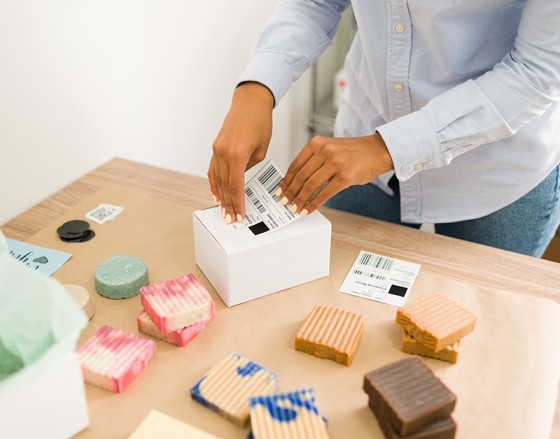
Custom sticker labels packaging

Labels play an essential role in how customers experience your products. They communicate brand identity, product information, and quality at a glance. Whether applied to packaging, apparel, handmade goods, or promotional merchandise, the right label helps reinforce a professional and consistent brand presentation.

Many businesses evaluate custom sticker labels and fabric labels when selecting a labelling solution. While both options support branding and product identification, they differ in application method, durability, and design flexibility.

Understanding how these two label types perform allows businesses to choose the most suitable option for their packaging workflow, product lifespan, and branding goals. Companies producing packaged goods, retail products, or promotional merchandise often rely on custom sticker labels because they provide a versatile and efficient labelling solution.

What Are Custom Sticker Labels?

Custom sticker labels are adhesive-backed labels designed for product packaging, branding, and product identification. Businesses apply them directly to surfaces such as bottles, jars, boxes, containers, and packaging materials to display logos, product details, and branding elements.

These labels are commonly produced using materials such as paper, vinyl, polyester, or synthetic films. Because they can be printed in various shapes, finishes, and sizes, custom sticker labels are widely used across industries including retail, cosmetics, food packaging, and logistics.

Their adhesive backing allows businesses to apply labels quickly and efficiently, making them ideal for both small-scale production and high-volume packaging operations.

What Are Fabric Labels?

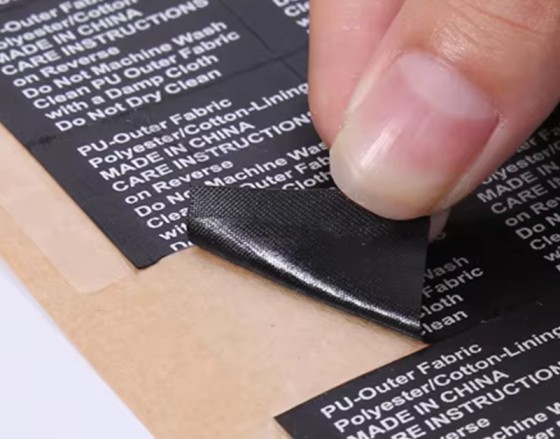
Fabric labels are textile-based labels commonly used for clothing, accessories, and handmade products. They are typically made from materials such as satin, cotton, or woven polyester and are sewn or heat-pressed into the product.

Unlike adhesive labels, fabric labels become part of the product itself. This makes them particularly suitable for garments and textile items that require labels to remain attached throughout the product’s lifespan.

Businesses often use fabric labels for:

  • clothing brand identification
  • garment care labels
  • handmade crafts and textile products
  • luxury apparel branding
  • textile accessories such as bags or scarves

Because they integrate directly with the product material, fabric labels offer durability that withstands washing, ironing, and repeated use.

Key Advantages of Custom Sticker Labels

Custom sticker labels provide several benefits that make them a practical solution for many types of product packaging.

Key advantages include:

  • Fast and easy application on a wide range of surfaces
  • High-resolution printing for logos, colours, and product details
  • Flexible shapes and sizes for different packaging designs
  • Cost efficiency for large production runs
  • Wide material options including waterproof and tear-resistant labels

These advantages make custom sticker labels particularly useful for businesses that need efficient labelling solutions while maintaining clear branding and product information.

Types of Custom Sticker Labels

Fabric sticker labels

Businesses can choose from several types of custom sticker labels depending on product packaging requirements, durability needs, and branding style.

Paper Sticker Labels

Paper labels are cost-effective and widely used for packaging, shipping labels, and promotional materials. They are suitable for dry environments where moisture exposure is minimal.

Vinyl Sticker Labels

Vinyl labels are waterproof, tear-resistant, and highly durable. They are commonly used for bottles, cosmetics, and products exposed to moisture or frequent handling.

Transparent Sticker Labels

Transparent labels create a clean, minimal appearance that blends seamlessly with product packaging while still displaying branding elements.

Foil Sticker Labels

Foil labels use metallic finishes such as gold or silver to create a premium look. These labels are often used for luxury packaging and special-edition products.

Materials Used for Custom Sticker Labels

The material used for sticker labels affects durability, appearance, and performance. Businesses typically select materials based on product environment and packaging requirements.

Material Key Benefits Best Use
Paper Affordable and versatile Retail packaging and shipping
Vinyl Waterproof and durable Bottles, cosmetics, outdoor use
Polyester Chemical and heat resistant Industrial or technical labels
Transparent film Seamless packaging design Premium product branding

Selecting the right material ensures the label remains readable and visually appealing throughout the product lifecycle.

Why Custom Sticker Labels Are Popular Among Singapore Businesses

Businesses in Singapore often choose custom sticker labels because they provide efficient branding for packaged goods and retail products. With many companies competing in crowded retail environments, packaging labels play an important role in helping products stand out on shelves.

Sticker labels allow businesses to present product information clearly while maintaining strong visual branding. They also support efficient packaging workflows because labels can be applied quickly during production or fulfilment.

For companies distributing products locally or internationally, custom sticker labels provide a scalable solution that balances cost efficiency and branding quality.

Key Differences Between Custom Sticker Labels and Fabric Labels

Although both label types serve branding and identification purposes, they differ in materials, application methods, and typical use cases.

Feature Custom Sticker Labels Fabric Labels
Material Paper, vinyl, synthetic films Satin, cotton, woven polyester
Application Adhesive backing Sewn or heat-pressed
Best for Packaging and containers Clothing and textile products
Durability Depends on material Designed for long-term wear
Design flexibility High-resolution printing Woven or textile printing

Businesses generally choose sticker labels for packaging and product identification, while fabric labels are better suited for textile products that require long-term identification.

Durability and Performance in Different Conditions

Durability is a key factor when selecting between custom sticker labels and fabric labels.

Fabric labels maintain their integrity because they are integrated directly into textile products. They can withstand washing, ironing, and regular wear without detaching or fading easily.

Custom sticker labels can also provide excellent durability when produced using appropriate materials. Waterproof vinyl, laminated paper, and synthetic films allow labels to resist moisture, friction, and frequent handling during shipping or retail display.

For packaged goods and consumer products, sticker labels offer sufficient durability while maintaining fast and efficient application.

Texture, Finish, and Branding Impact

The tactile and visual qualities of a label influence how customers perceive a product. Both sticker labels and fabric labels contribute to brand presentation in different ways.

Fabric labels create a soft, tactile impression that blends naturally with clothing and textile products. Their woven structure reinforces craftsmanship and premium quality.

Custom sticker labels provide a wide range of finishes that support different branding styles.

Common finish options include:

  • Glossy finishes for vibrant colours and reflective surfaces
  • Matte finishes for a modern and minimal look
  • Textured finishes for tactile branding effects
  • Transparent labels for seamless packaging integration

This flexibility allows businesses to match label design with their product packaging and overall brand identity.

Cost and Production Factors for Custom Sticker Labels

Cost and production efficiency are important considerations when choosing a label type.

Fabric labels often require additional steps such as sewing, folding, or heat pressing. These processes increase labour time and production complexity.

Custom sticker labels provide a simpler production workflow. They can be printed in sheets or rolls and applied quickly by hand or with automated labelling equipment.

For businesses producing packaged goods at scale, sticker labels offer a cost-effective solution that supports efficient packaging operations.

How Custom Sticker Labels Are Applied

Sticker labels can be applied either manually or with automated labelling machines depending on production volume.

Small businesses often apply labels by hand, especially for limited product batches or handmade goods. Larger manufacturing operations typically use automated labelling systems that apply labels quickly and consistently across high-volume packaging lines.

This flexibility makes custom sticker labels suitable for both small product launches and large-scale production environments.

Common Uses of Custom Sticker Labels for Product Packaging

Common Uses of Custom Sticker Labels for Product Packaging

Custom sticker labels are widely used across industries for branding, packaging, and product identification.

Common applications include:

  • product packaging labels
  • bottle and jar branding
  • cosmetic and skincare packaging
  • food packaging identification
  • shipping labels and packaging seals
  • retail product labelling
  • promotional merchandise stickers

Their versatility allows businesses to maintain consistent branding across multiple product categories.

Choosing Between Custom Sticker Labels and Fabric Labels

Businesses selecting between fabric labels and custom sticker labels should evaluate three important factors:

  • Product material and surface type
  • Expected lifespan of the label
  • Production and packaging workflow

Sticker labels are generally best suited for packaging, retail products, and promotional items. Fabric labels are more appropriate for garments and textile products where labels must remain attached for the product’s entire lifespan.

Considering these factors helps businesses select a labelling solution that supports both product functionality and brand presentation.

Frequently Asked Questions About Custom Sticker Labels

1. What are custom sticker labels used for?

Custom sticker labels are used for product packaging, bottles, jars, boxes, and promotional merchandise. They help businesses display branding, product information, and decorative designs while allowing quick application during packaging or fulfilment.

2. Are custom sticker labels durable?

Yes. When produced with materials such as vinyl or laminated synthetic films, custom sticker labels can resist moisture, friction, and frequent handling. These materials help maintain label quality during shipping, storage, and retail display.

3. When should businesses use fabric labels instead of sticker labels?

Fabric labels are best suited for clothing, textiles, and handmade goods where labels must remain attached for the entire product lifespan. Because they are sewn or heat-pressed into the product, they can withstand washing, ironing, and repeated use.

4. What materials are used for custom sticker labels?

Custom sticker labels are commonly printed on materials such as paper, vinyl, polyester, or transparent synthetic films. Each material offers different benefits depending on durability requirements, moisture resistance, and visual finish.

5. Can custom sticker labels be waterproof?

Yes. Waterproof sticker labels are typically produced using vinyl or laminated materials that resist moisture and environmental exposure. These labels are commonly used for bottles, cosmetics, and products stored in humid environments.

6. Are custom sticker labels cost-effective for large production runs?

Yes. Custom sticker labels are generally cost-efficient for bulk production because they can be printed in rolls or sheets and applied quickly. Automated labelling machines can further improve efficiency in large-scale packaging operations.

7. Do custom sticker labels work well in Singapore’s humid climate?

Yes. Sticker labels printed on waterproof vinyl or laminated synthetic materials can withstand humidity and moisture. This makes them suitable for products distributed and stored in Singapore’s tropical climate.

Explore Professional Custom Sticker Label Solutions

Choosing the right label ensures your products present a consistent and professional brand image. Whether you require custom sticker labels for packaging or fabric labels for textile products, selecting the appropriate material and design helps your products stand out while maintaining durability.

If you are exploring labelling solutions for your products, visit the Printsys website to learn more about custom sticker labels and fabric label printing options available for businesses in Singapore.


Hologram Printing Services in Singapore for Secure Product Authentication

Hologram sticker printing services

Businesses in Singapore increasingly rely on hologram printing services to protect products, prevent counterfeiting, and strengthen packaging authenticity. Hologram stickers display distinctive colour-shifting optical patterns that are extremely difficult to replicate, making them one of the most reliable solutions for product verification and brand protection.

As counterfeit products become more common in global supply chains, companies are placing greater emphasis on visible security features that customers can trust. Hologram sticker printing offers both practical protection and visual credibility, helping businesses secure packaging while improving brand presentation.

These labels are widely used across industries including electronics, pharmaceuticals, cosmetics, consumer goods, and official documentation. By combining advanced holographic technology with customised design, businesses can implement security features that protect their products while reinforcing brand value.

What Are Hologram Printing Services?

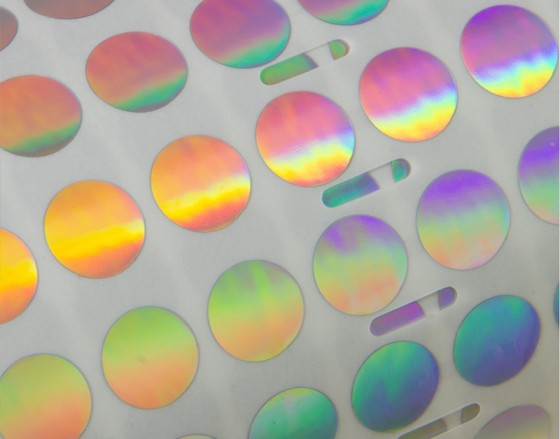
Hologram printing services involve producing specialised security stickers or labels that display colour-shifting optical images when viewed from different angles. These holographic elements are created using advanced embossing or laser-generated technologies that produce complex patterns difficult to duplicate.

Businesses use hologram printing primarily to:

  • verify product authenticity
  • prevent counterfeiting
  • provide tamper-evident packaging
  • enhance brand credibility

Because holograms contain microscopic structures that interact with light, they cannot be reproduced easily using conventional printing techniques. This makes them a trusted security feature for packaging, certifications, and authentication labels.

Key Benefits of Hologram Printing Services

Hologram printing services help businesses strengthen both product security and brand identity.

Key advantages include:

  • Anti-counterfeiting protection that prevents imitation packaging
  • Instant product authentication through visible holographic effects
  • Tamper-evident sealing for packaging and warranty labels
  • Premium product presentation with reflective visual effects
  • Stronger customer trust through visible security indicators

These benefits make holographic labels an effective solution for companies that want to protect their products while improving packaging credibility.

Why Hologram Printing Is Important for Singapore Businesses

Singapore is a major global trade hub where products are frequently imported, exported, and distributed across international markets. This high level of trade activity increases the importance of product authentication and supply chain transparency.

Hologram printing services help Singapore businesses maintain product integrity by providing a visible security feature that verifies authenticity. Companies that export goods also rely on holographic security labels to protect brand reputation and ensure customers receive genuine products.

As consumers become more aware of counterfeit risks, brands that implement authentication solutions such as hologram stickers are better positioned to maintain trust and credibility in competitive markets.

How Hologram Sticker Printing Works

Custom hologram printing services

Hologram sticker printing uses specialised optical structures that reflect light to produce shifting colours, layered images, and distinctive patterns. These visual effects are created through micro-embossing or laser technologies that generate extremely precise surface structures.

Common security features used in hologram stickers include:

  • Microtext patterns that require magnification to read
  • Serial numbers for product tracking and verification
  • Hidden images visible under certain lighting conditions
  • Complex optical backgrounds designed to prevent copying
  • Tamper-evident adhesives that show when a sticker is removed

When a hologram sticker is tilted under light, the embedded optical structures reveal different images or colour shifts. These visual cues allow retailers, distributors, and consumers to quickly confirm that a product is authentic.

Types of Hologram Stickers Used for Product Security

Different hologram technologies offer varying levels of security and design flexibility. Businesses choose the most suitable option based on their product packaging and protection requirements.

2D/3D Hologram Stickers

These holograms create multiple layers of visual depth, producing images that appear to shift between foreground and background. The layered structure makes them difficult for counterfeiters to replicate accurately.

Dot Matrix Holograms

Dot matrix holograms use laser-generated micro patterns to produce high-resolution optical effects. They are commonly used for high-security applications due to their precision and complexity.

Tamper-Evident Hologram Labels

Tamper-proof hologram stickers break or leave a residue pattern when removed from packaging. This makes it immediately visible if a product has been opened or altered.

Transparent Hologram Stickers

Transparent hologram labels blend seamlessly with product packaging while still providing authentication features. These are commonly used when businesses want security without altering the original packaging design.

Industries That Use Hologram Printing Services

Many industries rely on hologram sticker printing to secure products and prevent fraud.

Pharmaceuticals and Healthcare

Medication packaging often includes hologram security seals to help consumers identify genuine products and avoid counterfeit medicines.

Electronics and Technology

Electronics manufacturers use holographic labels on devices and accessories to verify authenticity and prevent imitation components from entering the market.

Cosmetics and Beauty Products

Premium skincare and cosmetic brands apply hologram stickers to packaging to enhance product credibility and discourage counterfeit goods.

Consumer Goods and Retail Products

Lifestyle brands and FMCG products use holographic security labels to protect packaging and ensure customers receive authentic items.

Events, Certifications, and Memberships

Holographic stickers are widely used on event passes, certificates, membership cards, and official documentation to prevent duplication.

Hologram Stickers vs Standard Security Labels

Feature Hologram Stickers Standard Labels
Anti-counterfeit protection Very high Low
Visual authentication Yes No
Tamper evidence Often included Sometimes
Brand perception Premium Standard
Counterfeit difficulty Extremely difficult Easy

Because hologram stickers contain complex optical patterns, they provide a stronger layer of protection compared to traditional printed security labels.

Common Use Cases for Hologram Sticker Printing

Hologram stickers are used in many situations where product authentication and tamper protection are required.

Common applications include:

  • product authentication labels
  • warranty seals
  • cosmetic packaging security
  • pharmaceutical packaging verification
  • electronics warranty stickers
  • event passes and access badges
  • membership cards
  • official certificates

These applications highlight how holographic labels combine security with functional packaging design.

The Role of Holographic Design in Modern Packaging

Beyond security, holographic elements are also widely used to enhance packaging aesthetics. Reflective finishes and iridescent effects create a visually distinctive appearance that helps products stand out on retail shelves.

Brands often use holographic design to:

  • emphasise premium or limited-edition products
  • create modern packaging styles
  • improve shelf visibility in retail environments
  • strengthen brand identity through unique visual elements

This dual function—security and design—makes hologram sticker printing especially valuable for companies seeking both product protection and visual differentiation.

Customisation Options for Hologram Sticker Printing

Professional hologram printing services offer various customisation options that allow businesses to match security features with packaging requirements.

Feature Description
Custom shapes Circular, square, rectangular, or die-cut designs
Serial numbering Unique identification for tracking products
Security layers Microtext, hidden images, encoded patterns
Adhesive options Permanent or tamper-evident adhesives
Material selection Durable holographic films for different environments

High-quality materials are particularly important in Singapore’s humid climate to ensure hologram stickers remain durable during shipping, storage, and retail display.

How to Order Custom Hologram Printing Services

Security hologram sticker printing

Businesses typically follow a structured process when ordering custom hologram sticker printing.

  1. Consultation and requirements discussion
    The printing provider evaluates security requirements, sticker size, and packaging design.
  2. Custom hologram design development
    Unique holographic patterns and security features are created.
  3. Prototype or sample approval
    Businesses review a design proof or sample before production begins.
  4. Large-scale production
    Stickers are manufactured using specialised hologram printing equipment.
  5. Delivery and application
    The final hologram labels are supplied for integration into packaging or product sealing.

This structured process ensures that both visual design and security requirements are implemented correctly.

Choosing a Professional Hologram Printing Provider

Selecting a reliable printing provider is important because hologram security depends on precision and consistency.

Businesses should consider:

  • experience in security hologram production
  • ability to design custom hologram labels
  • high-quality holographic materials
  • consistent production standards
  • integration of serial numbers or authentication features

A professional hologram printing provider can also recommend the most suitable type of hologram sticker based on the product category, packaging material, and level of security required.

The Future of Hologram Printing in Singapore

Hologram printing technology continues to evolve as companies adopt stronger anti-counterfeit strategies and supply chain verification systems.

Modern holographic security solutions are increasingly integrated with digital authentication technologies such as QR codes, serialised tracking systems, and online verification platforms. These hybrid systems allow customers to visually confirm authenticity while also verifying products digitally.

As consumer awareness of counterfeit risks increases, hologram sticker printing is expected to remain an essential component of secure packaging and product authentication strategies in Singapore.

Frequently Asked Questions About Hologram Printing Services

1. What are hologram printing services?

Hologram printing services produce specialised labels or stickers that display colour-shifting optical patterns when viewed from different angles. These holographic features help businesses authenticate products, prevent counterfeiting, and provide tamper-evident packaging security.

2. What are hologram stickers used for?

Hologram stickers are commonly used for product authentication, warranty seals, tamper-evident packaging, event passes, and certification labels. Their unique optical patterns allow customers and distributors to quickly verify whether a product is genuine.

3. Are hologram stickers difficult to counterfeit?

Yes. Hologram stickers contain microscopic optical structures created using specialised manufacturing processes. These structures produce complex visual effects that are extremely difficult to reproduce without advanced holographic equipment.

4. Which industries use hologram sticker printing the most?

Industries such as pharmaceuticals, electronics, cosmetics, consumer goods, event management, and certification services frequently use hologram stickers to protect products and verify authenticity.

5. Can hologram stickers be customised?

Yes. Businesses can customise hologram stickers with unique shapes, serial numbers, microtext, hidden security patterns, and tamper-evident materials. Customisation allows companies to combine branding elements with anti-counterfeit protection.

6. Do hologram stickers improve packaging design?

Yes. Holographic finishes create reflective and iridescent effects that enhance product presentation and improve shelf visibility. Many brands use holographic elements to communicate quality and innovation through packaging.

7. How much do hologram printing services cost in Singapore?

The cost of hologram printing services depends on sticker size, quantity, design complexity, and security features. Larger production volumes generally reduce the cost per sticker, while advanced authentication features may increase production complexity.

8. What is the difference between hologram stickers and security labels?

Hologram stickers contain specialised optical patterns that produce colour-shifting effects, making them highly resistant to counterfeiting. Standard security labels may include barcodes or serial numbers but typically lack the complex visual authentication provided by holographic technology.

Strengthen Product Security with Professional Hologram Printing Services

If your business wants to improve product authentication and protect packaging from counterfeiting, hologram printing services in Singapore provide an effective solution.

Custom hologram sticker printing allows companies to implement advanced security features while enhancing packaging design and brand credibility.

Contact Printsys today to learn more about customised hologram printing solutions and discover how holographic security labels can protect your products and strengthen customer trust.


Waterproof Sticker Guide: Materials, Printing, and Finishing for Durable Labels

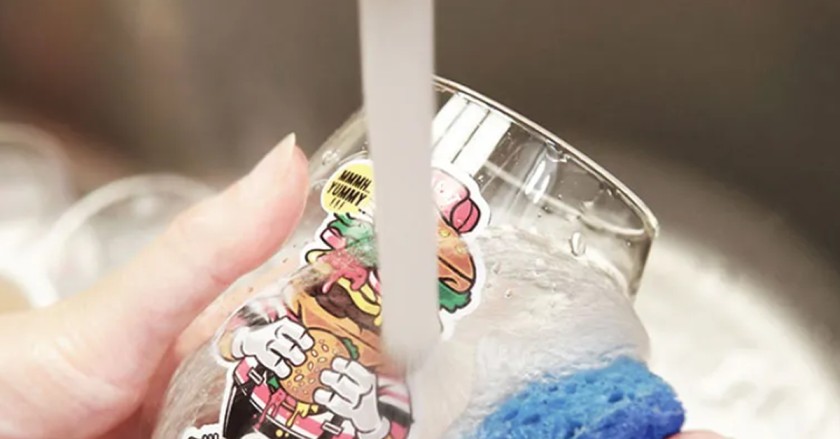
Waterproof sticker on glass

A waterproof sticker is designed to remain durable and readable even when exposed to moisture, humidity, and frequent handling. These labels are commonly used for product packaging, equipment tags, outdoor branding, and logistics labels where standard paper stickers may deteriorate quickly.

A waterproof sticker is an adhesive label made from water-resistant materials such as vinyl, polypropylene, or polyester. These materials are combined with durable inks, protective coatings, and specialised adhesives to ensure the label maintains its appearance and adhesion even in challenging environments.

For businesses in Singapore, waterproof stickers are widely used for packaging labels, bottle labels, courier parcels, and equipment identification. Their layered construction—from base material to finishing treatment—ensures that labels remain functional and visually consistent throughout their lifecycle.

Understanding how waterproof stickers are produced helps businesses choose labels that perform reliably in real-world conditions.

What Is a Waterproof Sticker?

A waterproof sticker is a pressure-sensitive adhesive label designed to resist water, humidity, and environmental exposure. These labels are produced using synthetic materials and protective printing technologies that prevent fading, peeling, or ink smudging.

Waterproof stickers are commonly used for:

  • product packaging and bottle labels
  • outdoor promotional stickers
  • equipment and machinery labels
  • logistics and courier packaging
  • safety and compliance labels

Because they maintain strong adhesion and print clarity, waterproof stickers are suitable for both indoor and outdoor applications.

Benefits of Using a Waterproof Sticker for Product Labels

Businesses choose waterproof stickers because they provide durability and reliability in environments where labels may encounter moisture or heavy handling.

Key advantages include:

  • resistance to moisture and humidity
  • durable print quality that prevents fading
  • strong adhesion on glass, plastic, metal, and packaging materials
  • resistance to scratches and surface wear
  • suitability for outdoor branding and product packaging

These benefits make waterproof stickers particularly valuable for product packaging, industrial labels, and logistics environments.

Materials Used to Produce Waterproof Stickers

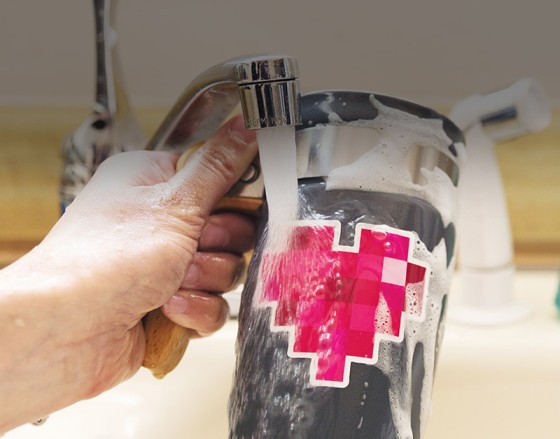
Waterproof sticker on mug

The durability of a waterproof sticker depends largely on the material used to create the label surface.

Vinyl

Vinyl is one of the most commonly used materials for waterproof stickers. It is flexible, durable, and resistant to moisture, making it ideal for curved surfaces such as bottles or containers.

Polypropylene (PP)

Polypropylene offers water resistance while remaining lightweight and cost-effective. It is often used for packaging labels and consumer product branding.

Polyester (PET)

Polyester provides strong resistance to heat, chemicals, and abrasion. This material is frequently used for industrial labels and electronics identification.

Laminated Paper

In some cases, paper labels are laminated to provide limited waterproof protection. However, synthetic materials typically provide stronger long-term moisture resistance.

Choosing the right material ensures that waterproof stickers remain stable and readable under various environmental conditions.

Types of Waterproof Stickers

Different waterproof sticker materials are used depending on the environment and intended application.

Waterproof Sticker Type Typical Application
Vinyl waterproof sticker Outdoor branding and bottle labels
Polypropylene waterproof sticker Product packaging and retail labels
Polyester waterproof sticker Industrial equipment labels
Laminated paper waterproof sticker Indoor packaging with light moisture exposure

Each type provides varying levels of durability and environmental resistance.

The Role of Adhesives in Waterproof Sticker Performance

Adhesives determine whether a waterproof sticker remains securely attached when exposed to moisture or temperature changes.

Most waterproof stickers use pressure-sensitive adhesives, which bond to surfaces when pressure is applied.

Common adhesive options include:

Acrylic adhesives: Highly resistant to moisture, UV exposure, and temperature changes. Suitable for long-term applications.

Rubber-based adhesives: Provide strong initial adhesion but may be less resistant to prolonged heat or sunlight.

Permanent adhesives: Designed for labels that must remain attached throughout the product lifecycle.

Removable adhesives: Allow stickers to be removed cleanly without leaving residue.

Selecting the appropriate adhesive ensures reliable sticker performance on surfaces such as plastic, glass, cardboard, or metal.

Waterproof Sticker Printing Process

Producing durable waterproof stickers involves several stages to ensure consistent quality and long-term performance.

The typical printing process includes:

  1. Design preparation – creating artwork, branding elements, or barcode labels
  2. Material selection – choosing vinyl, polypropylene, or polyester materials
  3. Printing – reproducing designs using digital, UV, latex, or eco-solvent printing technologies
  4. Protective finishing – applying laminates or coatings to protect the printed surface
  5. Die cutting – cutting stickers into custom shapes or label formats
  6. Quality inspection – verifying print clarity, adhesion, and finishing quality

This structured process ensures that waterproof stickers maintain both visual quality and functional durability.

Printing Finishing Services Used for Waterproof Stickers

Printing finishing services enhance the durability and appearance of waterproof stickers by adding protective layers and precise cutting.

Lamination

Lamination adds a protective film over the printed design, preventing scratches, moisture damage, and colour fading.

Varnish Coating

A protective varnish coating can be applied to create a thin protective layer that improves resistance to moisture and surface wear.

Die Cutting

Die cutting shapes stickers into custom outlines, allowing brands to produce uniquely shaped labels that match their packaging design.

Protective Film

Some waterproof stickers include additional protective films that enhance scratch resistance and extend label lifespan.

These finishing services play an important role in ensuring that waterproof stickers maintain their durability and visual quality.

Factors That Affect Waterproof Sticker Durability

Waterproof sticker on bottle

Several environmental factors influence how long waterproof stickers remain functional.

Humidity and Moisture

Water exposure can weaken adhesives or damage poorly printed labels. Waterproof materials and laminates help protect against these conditions.

UV Exposure

Prolonged sunlight exposure may cause colours to fade. UV-resistant laminates help maintain colour clarity.

Surface Preparation

Clean, dry surfaces improve adhesive bonding and prevent peeling.

Abrasion and Handling

Frequent contact with surfaces or machinery may cause wear. Protective laminates and coatings reduce damage.

Understanding these factors helps businesses choose labels designed for their specific operating environment.

Waterproof Sticker vs Standard Paper Sticker

Businesses often compare waterproof stickers with standard paper stickers when selecting labels for packaging or branding.

Feature Waterproof Sticker Paper Sticker
Material Vinyl, polypropylene, polyester Paper
Water Resistance High Low
Durability Long-term use Short to medium-term use
Outdoor Use Suitable Not recommended
Cost Higher due to durability Lower production cost

Paper stickers are typically used for indoor packaging, while waterproof stickers provide better performance in environments exposed to moisture or heavy handling.

How Businesses in Singapore Use Waterproof Stickers

Across Singapore’s retail, logistics, and manufacturing sectors, waterproof stickers are widely used for product identification and branding.

Common applications include:

Beverage and Food Packaging

Bottle labels and food packaging often require waterproof stickers because products may encounter condensation or refrigeration.

Outdoor Branding

Promotional decals and advertising stickers must resist weather exposure and frequent handling.

Equipment and Machinery Labels

Industrial equipment requires labels that remain readable despite heat, friction, or moisture.

Logistics and Courier Packaging

Shipping labels may encounter rain or humidity during transport, making waterproof labels beneficial.

These applications highlight the importance of durable labels in modern supply chains.

Frequently Asked Questions

1. What is a waterproof sticker?

A waterproof sticker is an adhesive label made from water-resistant materials such as vinyl, polypropylene, or polyester. These stickers are designed to resist moisture, humidity, and environmental exposure while maintaining strong adhesion and clear printed designs..

2. Are waterproof stickers suitable for outdoor use?

Yes. Waterproof stickers are commonly used outdoors because they resist moisture, sunlight, and temperature changes. When combined with UV-resistant laminates, they can maintain colour clarity and adhesion even in harsh outdoor environments.

3. What materials are used to make waterproof stickers?

Waterproof stickers are typically produced using synthetic materials such as vinyl, polypropylene, or polyester. These materials naturally resist water and maintain structural stability when exposed to moisture or humidity.

4. Do waterproof stickers require lamination?

Lamination is not always required, but it improves durability significantly. Laminates protect the printed surface from scratches, UV exposure, and moisture, extending the lifespan of the sticker.

5. How long do waterproof stickers last?

The lifespan of waterproof stickers depends on the material, adhesive, and environmental conditions. Indoor waterproof stickers may last several years, while outdoor labels may experience gradual wear due to sunlight and physical exposure.

6. What printing methods are used for waterproof stickers?

Common printing methods include UV printing, eco-solvent printing, latex printing, and digital label printing. These technologies produce durable prints that resist fading, scratching, and moisture damage.

7. Can waterproof stickers be used for product packaging?

Yes. Waterproof stickers are frequently used for packaging labels, especially for beverages, cosmetics, and products exposed to moisture. Their durability ensures that labels remain readable throughout the product lifecycle.

Create Durable Labels with Professional Waterproof Sticker Printing

Selecting the right label material ensures that product packaging and branding remain clear, durable, and reliable. A waterproof sticker provides moisture resistance, strong adhesion, and long-lasting print quality for packaging, equipment labels, and outdoor branding.

For businesses in Singapore that require durable labels, professional printing and finishing services ensure waterproof stickers maintain performance in demanding environments.

Get in touch today to create the durable waterproof stickers you’ve always wanted.

Paper Sticker Guide: Uses, Types, and When to Choose Paper vs Vinyl

Custom paper sticker application

Stickers play an important role in product labelling, packaging design, and inventory identification. Among the many sticker materials available, the paper sticker remains one of the most widely used options because it offers excellent print clarity, affordability, and versatility for indoor applications.

A paper sticker is an adhesive label made from paper material used for packaging labels, barcode labels, retail pricing tags, and promotional branding. Because paper surfaces absorb ink effectively, designs printed on paper stickers appear clear and readable, making them suitable for product identification and packaging presentation.

For businesses in Singapore, paper stickers are commonly used across retail packaging, warehouse inventory systems, and food product labelling. Understanding how paper stickers work—and how they compare with vinyl stickers—helps companies choose the most appropriate label material for their operational needs.

Selecting the correct sticker material ensures that labels remain functional, scannable, and visually aligned with the brand.

What Is a Paper Sticker?

A paper sticker is a pressure-sensitive adhesive label made from coated or uncoated paper material. It typically consists of three components: a printable paper surface, an adhesive layer, and a backing liner that protects the adhesive before application.

Paper stickers are widely used because they support high-quality printing and are easy to customise for various packaging and labelling applications.

Common uses of paper stickers include:

  • product packaging labels
  • barcode labels for inventory tracking
  • retail price labels
  • food packaging stickers
  • promotional stickers and event labels

Because paper materials absorb ink well, barcode lines, product information, and branding elements remain clear and easy to read when printed correctly.

Why Businesses Use Paper Stickers for Product Labels

Many organisations prefer paper stickers because they balance functionality, affordability, and print performance.

Excellent Print Clarity

Paper sticker materials absorb ink effectively, allowing barcode elements, fine text, and detailed graphics to appear sharp and readable. This makes paper stickers suitable for product identification and retail packaging.

Cost-Effective Label Production

Compared with synthetic materials such as vinyl, paper stickers are typically more affordable to produce. Businesses printing large volumes of product labels benefit from lower production costs.

Suitable for Indoor Packaging

Most retail and warehouse labels remain indoors where exposure to water or sunlight is minimal. In these environments, paper stickers perform reliably and maintain their appearance.

Flexible Design Options

Paper sticker printing supports matte, gloss, and writable finishes, allowing brands to customise labels according to their packaging design.

Advantages of Using a Paper Sticker

Advantages of Using a Paper Sticker

Paper stickers offer several practical advantages for businesses that require clear, affordable labels.

Key advantages include:

  • cost-efficient production for large label quantities
  • excellent print clarity for text, branding, and barcode labels
  • compatibility with various finishes such as matte or gloss
  • easy application on packaging and retail products
  • ideal for indoor labelling and product identification

Because of these benefits, paper stickers remain a common choice for retail packaging, product labels, and inventory management.

Types of Paper Stickers Used in Packaging and Labelling

Different types of paper stickers are available depending on the application and design requirements.

Paper Sticker Type Typical Application
Matte paper sticker Minimalist product packaging
Gloss paper sticker Retail packaging labels
Kraft paper sticker Eco-friendly or natural branding
Thermal paper sticker Barcode labels and shipping labels
Writable paper sticker Date, batch, or pricing labels

Selecting the appropriate paper sticker type ensures that labels perform correctly in their intended environment.

Adhesive Types Used for Paper Stickers

Paper stickers use pressure-sensitive adhesives that allow labels to stick securely to packaging surfaces. Different adhesive types are used depending on the product application.

Permanent Adhesive

Permanent adhesives create strong bonds that are difficult to remove. These are commonly used for product packaging labels and barcode identification.

Removable Adhesive

Removable adhesives allow stickers to be removed without leaving residue. Retail price labels often use this adhesive type.

Freezer Adhesive

Freezer adhesives are designed for products stored in cold environments, such as frozen food packaging.

Food-Safe Adhesive

Some packaging labels require adhesives that comply with food safety standards to ensure safe use with consumable products.

Choosing the correct adhesive type helps ensure that paper stickers remain securely attached to packaging surfaces.

Paper Sticker vs Vinyl Sticker: Key Differences

Paper and vinyl stickers differ in durability, cost, and environmental resistance. Understanding these differences helps businesses choose the right label material.

Feature Paper Sticker Vinyl Sticker
Material Paper-based label Synthetic plastic material
Durability Best for indoor use Suitable for indoor and outdoor use
Water Resistance Low High
Print Appearance Soft and natural colours Sharp and vibrant colours
Cost More affordable Higher cost due to durability
Typical Uses Packaging labels, barcode labels Outdoor branding, equipment labels

For most indoor packaging applications, paper stickers provide a practical and cost-efficient solution.

Why Paper Stickers Are Commonly Used for Barcode Labels

Why Paper Stickers Are Commonly Used for Barcode Labels

Many businesses use paper stickers for barcode labels because the material supports clear printing and strong contrast. Barcode scanners rely on precise line spacing and contrast between dark bars and light backgrounds.

Paper sticker materials help maintain barcode readability because:

  • the paper surface absorbs ink consistently
  • barcode lines remain sharp and clearly defined
  • labels remain scannable under typical indoor conditions

For warehouse and retail operations in Singapore, paper sticker barcode labels are widely used to track inventory, identify products, and maintain accurate stock records.

The Process of Paper Sticker Printing

Professional sticker printing follows a structured process to ensure consistent quality and readability.

Typical paper sticker printing involves the following steps:

  1. Design preparation – creating artwork, branding elements, or barcode labels
  2. Paper stock selection – choosing the appropriate paper material and adhesive
  3. Printing – reproducing the design using digital or offset printing methods
  4. Die cutting – cutting stickers into custom shapes or label formats
  5. Quality inspection – checking print clarity, colour accuracy, and adhesion

By following these steps, printing providers ensure that sticker labels meet both functional and aesthetic requirements.

How Paper Stickers Are Used by Businesses in Singapore

Businesses across Singapore rely on paper stickers for product identification, packaging, and inventory labelling.

Common applications include:

Retail Packaging Labels

Retail brands often apply paper stickers to boxes, jars, and product packaging to display branding and product information.

Barcode and Inventory Labels

Warehouses and retail stores use paper stickers for barcode labels that support product scanning and inventory tracking.

Food Packaging Labels

Food businesses frequently use paper stickers for bakery packaging, takeaway boxes, and product jars.

Promotional Packaging

Paper stickers are also used in marketing campaigns and seasonal promotions to add branding elements to packaging.

Because these labels are typically used indoors, paper stickers remain an efficient and cost-effective solution for many Singapore businesses.

Frequently Asked Questions

1. What is a paper sticker used for?

A paper sticker is commonly used for packaging labels, retail product identification, barcode labels, and promotional branding. Businesses apply paper stickers to boxes, jars, and merchandise to display product information, pricing, or branding elements in indoor environments.

2. Are paper stickers suitable for barcode labels?

Yes. Paper stickers are frequently used for barcode labels because they allow barcode lines to print clearly and remain readable by scanners. This makes them suitable for retail checkout systems, warehouse inventory tracking, and logistics operations.

3. What is the difference between paper stickers and vinyl stickers?

Paper stickers are made from paper material and are typically used for indoor packaging labels. Vinyl stickers are made from synthetic materials that resist water, sunlight, and abrasion, making them more suitable for outdoor or long-term applications.

4. Are paper stickers waterproof?

Standard paper stickers are not waterproof because paper absorbs moisture. If labels must withstand water or humidity, vinyl stickers or laminated labels may provide better durability.

5. What finishes are available for paper stickers?

Paper stickers are available in several finishes, including matte, gloss, kraft, and writable surfaces. Matte finishes provide a natural appearance, while gloss coatings enhance colour vibrancy and protect printed designs.

6. How long do paper stickers last?

Paper stickers can last for months or years when used in dry indoor environments. Their lifespan depends on factors such as handling, adhesive strength, and exposure to moisture or friction.

7. Are paper stickers environmentally friendly?

Paper stickers are often considered more environmentally friendly than synthetic materials because they are made from paper-based substrates. Some printing providers also offer recycled paper stocks or sustainably sourced materials.

Print Professional Paper Stickers for Your Products

Choosing the right label material helps ensure that product packaging remains clear, functional, and visually consistent. A paper sticker offers excellent print quality, affordability, and flexibility for indoor packaging, barcode labels, and retail product identification.

For businesses in Singapore that require reliable sticker printing solutions, professionally printed paper stickers can support packaging design, inventory management, and product branding.

Contact Printsys today to learn more about their paper stickers!


Printing Barcode Labels for Accurate Inventory and Product Tracking in Singapore

Printing barcode labels close-up

Printing barcode labels is an essential process for businesses that rely on accurate product identification and efficient inventory management. Barcode labels encode product information into machine-readable symbols that scanners can interpret instantly, allowing companies to track goods, update inventory systems, and manage stock movements across warehouses, retail stores, and supply chains.

In Singapore’s fast-moving logistics and retail sectors, reliable barcode labels ensure that scanning devices capture product information without delays or errors. When printing barcode labels with proper resolution, contrast, and formatting, businesses can maintain real-time inventory visibility, minimise manual data entry, and improve operational efficiency across their distribution networks.

For organisations managing large product volumes, accurate barcode printing is not simply a technical requirement. It is a key component of reliable inventory control and supply chain transparency.

What Is Printing Barcode Labels?

Printing barcode labels is the process of producing machine-readable labels that encode product or asset information in a barcode format. These labels contain patterns of lines or squares that barcode scanners interpret to retrieve product data stored in digital inventory systems.

Barcode labels are commonly used to:

  • identify products in retail environments
  • track inventory across warehouses
  • monitor goods during shipping and logistics
  • manage production batches in manufacturing
  • improve traceability in supply chain operations

When barcode labels are printed with high clarity and correct formatting, scanners can read them instantly. This allows businesses to automate stock updates, maintain accurate inventory records, and streamline operational workflows.

How Printing Barcode Labels Improves Inventory Management

Barcode printing service scanning package

Printing barcode labels accurately allows inventory systems to capture product information quickly and reliably. Each time a barcode is scanned, the system updates stock data automatically, giving businesses real-time visibility into inventory levels.

Several operational improvements result from high-quality barcode printing:

Real-time stock tracking
Products can be scanned at multiple checkpoints such as receiving, storage, picking, and dispatch, ensuring accurate inventory records.

Faster warehouse operations
Clear barcode labels allow staff to scan items quickly without repeated attempts or manual data entry.

Reduced inventory discrepancies
Automated scanning ensures that product movements are recorded accurately, reducing mismatches between physical stock and digital records.

Improved supply chain traceability
Each barcode label allows businesses to track products from manufacturing through distribution and final delivery.

For businesses in Singapore managing high-volume inventory systems, dependable barcode labels are essential for maintaining operational efficiency.

Barcode Standards Used in Product Labelling

Barcode labels follow internationally recognised standards to ensure they can be read by scanners across different systems and industries.

Common barcode standards include:

Barcode Standard Typical Industry Use
UPC (Universal Product Code) Retail checkout systems
EAN (European Article Number) International retail products
Code 128 Warehousing and logistics tracking
Code 39 Industrial inventory systems
QR Code Digital product information and marketing
Data Matrix Healthcare and manufacturing

Many businesses adopt GS1 barcode standards, which provide globally recognised guidelines for product identification and supply chain tracking.

Using the correct barcode standard ensures compatibility with scanning systems used by retailers, distributors, and logistics providers worldwide.

Technologies Used for Printing Barcode Labels

Several printing technologies are used to produce barcode labels depending on label volume, durability requirements, and operational environments.

Thermal Printing

Thermal printers use heat to create images on specialised label materials. This method is widely used for shipping labels and logistics tracking because it is fast and cost-effective.

Thermal Transfer Printing

Thermal transfer printing uses heat to transfer ink from a ribbon onto the label surface. This produces highly durable barcode labels suitable for environments where labels must resist abrasion, chemicals, or temperature changes.

Inkjet Printing

Inkjet printing is used for colour labels and packaging applications where barcode labels are integrated into product designs.

Laser Printing

Laser printers produce sharp, high-contrast barcode labels and are commonly used in office environments for smaller label batches.

Selecting the appropriate printing technology helps ensure that barcode labels remain readable throughout the product lifecycle.

Materials Used When Printing Barcode Labels

The durability of a barcode label depends heavily on the material used during production. Choosing the right label material ensures the barcode remains scannable even in demanding environments.
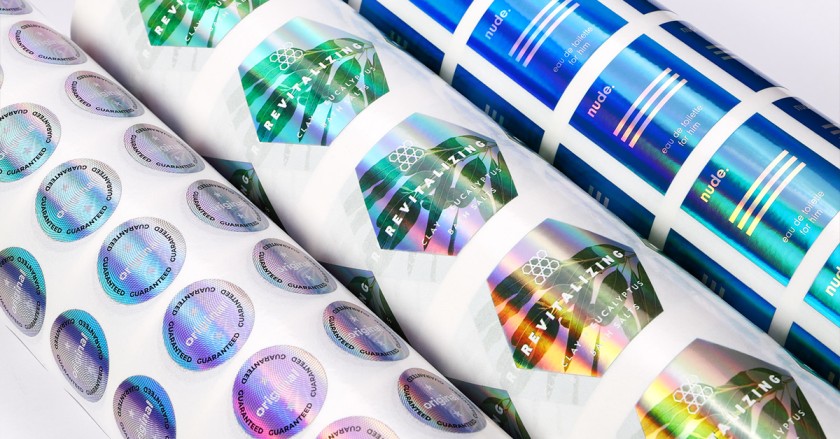
Paper Labels

Paper labels are commonly used for retail product labels and shipping labels where the label lifespan is relatively short.

Synthetic Labels

Synthetic materials such as polyester or polypropylene offer resistance to moisture, chemicals, and abrasion. These materials are ideal for industrial or logistics environments.
Thermal Labels

Thermal labels are widely used in warehousing and shipping operations because they allow rapid printing without ink cartridges.

Waterproof and Weather-Resistant Labels

For outdoor or high-humidity environments such as certain warehouse operations in Singapore, waterproof materials prevent fading or peeling.

Selecting the correct material ensures that barcode labels remain readable throughout storage, transportation, and handling.

How Barcode Print Quality Is Verified

To ensure reliable scanning, barcode labels must meet strict quality standards. Professional printing providers use verification tools to test label readability before large batches are produced.

Barcode verification typically evaluates several factors:

Print contrast signal (PCS)
Measures the contrast between barcode lines and the background.

Barcode edge definition
Ensures that barcode lines are sharp and clearly defined.

Quiet zones
Confirms that sufficient blank space surrounds the barcode so scanners can detect it correctly.

Symbol grading standards
Many organisations follow ISO or ANSI barcode grading systems to verify barcode readability.

Quality verification ensures that barcode labels perform consistently across different scanning devices and operational environments.
Steps Involved in Printing Barcode Labels

Producing reliable barcode labels involves several stages that ensure accurate formatting and consistent print quality.

Typical steps include:

  1. Barcode generation using barcode software
  2. Label layout and formatting
  3. Selection of label material and adhesive
  4. Printing using specialised barcode printers
  5. Quality verification and scanning tests
  6. Label application to products or packaging

Following a structured production process helps businesses maintain reliable barcode performance across large product volumes.

Choosing a Barcode Printing Service in Singapore

Many businesses partner with a professional barcode printing service to ensure reliable label production and consistent scanning performance.

When selecting a barcode printing provider in Singapore, companies should consider several factors.

Printing precision and equipment
Professional barcode printers are calibrated to produce accurate line widths and spacing that meet scanning standards.

Material expertise
Experienced providers recommend label materials suitable for retail, warehouse, or industrial environments.
Quality verification processes
Reliable printing services verify barcode readability using specialised barcode testing equipment.

Scalability for large volumes
Businesses that manage thousands of products require consistent label quality across every batch of printed labels.

Working with a specialised barcode printing provider helps organisations maintain consistent inventory tracking and operational efficiency.

Industries That Depend on Printing Barcode Labels

Warehouse barcode printing service

Printing barcode labels supports many industries that require reliable product identification and inventory control.

Retail

Retailers use barcode labels for product identification, price scanning, and stock management in stores.

Warehousing and Logistics

Warehouses rely on barcode labels to track goods during receiving, storage, picking, and distribution.

Manufacturing

Manufacturers use barcode labels to monitor raw materials, production batches, and finished goods.

Healthcare

Hospitals and laboratories use barcode labels for tracking pharmaceuticals, medical supplies, and laboratory samples.

Distribution and Supply Chain

Distribution centres use barcode labels to track product movement across regional and international supply chains.

Across these sectors, reliable barcode labels help businesses maintain operational visibility and accurate inventory records.

Frequently Asked Questions

1. Why is printing barcode labels accurately important for businesses?

Printing barcode labels accurately ensures scanners can read product information instantly. When labels are printed clearly with correct spacing and contrast, inventory systems update automatically without manual data entry. This improves operational efficiency, reduces stock discrepancies, and supports reliable product tracking across warehouses, retail stores, and supply chains.

2. What happens if barcode labels are printed poorly?

Poorly printed barcode labels can cause scanning failures, inventory mismatches, and operational delays. When scanners cannot read a barcode properly, staff may need to manually enter product data, which increases the risk of errors and slows down warehouse and retail workflows.

3. What industries rely on barcode printing services?

Retail, logistics, manufacturing, healthcare, and distribution industries rely heavily on barcode printing services. These sectors manage large product volumes and require fast, reliable scanning to track inventory accurately throughout production, storage, and distribution processes.

4. What materials are best for barcode labels?

The best material depends on the operational environment. Paper labels are suitable for short-term retail or shipping applications, while synthetic materials such as polyester or polypropylene offer durability in environments exposed to moisture, abrasion, or temperature changes.

5. How does a barcode printing service improve label quality?

A professional barcode printing service uses specialised printing equipment, calibrated settings, and barcode verification tools to ensure proper line spacing, contrast, and readability. This ensures barcode labels scan reliably across large batches and remain readable during product handling and transportation.

6. What are barcode quiet zones and why are they important?

Quiet zones are blank spaces surrounding a barcode symbol. These areas allow barcode scanners to detect the beginning and end of the code. Without sufficient quiet zones, scanners may struggle to interpret the barcode correctly, which can lead to scanning errors.

7. When should businesses use professional barcode printing services?

Businesses should consider professional barcode printing services when producing large volumes of labels or when labels must meet strict scanning standards. Professional services ensure consistent label quality, durability, and compatibility with barcode scanning systems used across supply chains.

Strengthen Your Inventory Systems with Reliable Barcode Printing

Accurate barcode labels are essential for businesses that rely on efficient inventory management and product tracking. When printing barcode labels with proper materials, resolution, and verification processes, organisations can ensure reliable scanning, consistent stock updates, and smoother operational workflows.

If your business requires dependable barcode labelling solutions, consider working with a professional barcode printing service that can produce durable and highly scannable labels for real-world operational environments.

Visit Printsys to learn more about barcode printing services in Singapore and discover how high-quality labels can support accurate inventory tracking and supply chain efficiency.


Folding and Diecut Services in Singapore: A Complete Guide to Precision Print Finishing

Precision diecut folding design

Printed materials remain one of the most powerful ways for brands to communicate visually and physically with their audience. While design and print quality are important, print finishing techniques such as folding and diecut services play a critical role in transforming flat printed sheets into structured, interactive, and visually distinctive materials.

In Singapore’s competitive business environment, companies rely on professional folding and diecut services to produce high-impact packaging, brochures, retail displays, and promotional materials. These services allow printed pieces to feature custom shapes, precision cut-outs, and structured folds that improve usability, presentation, and brand recognition.

What Are Folding and Diecut Services?

Folding and diecut services are specialised print finishing processes used to shape and structure printed materials. Diecutting uses custom blades to cut precise shapes, windows, or patterns into paper or packaging, while folding techniques create panels or structural forms such as brochures, cartons, and promotional displays.

Together, these techniques allow printed materials to move beyond standard rectangular formats and become functional design elements that enhance visual impact and communication clarity.

How Folding and Diecut Services Work

Professional folding and diecut services involve several production steps that ensure accuracy and consistency during printing and finishing.

The process typically includes:

  1. Artwork preparation and dieline design
    Designers create a dieline template that defines where cuts and folds will occur.
  2. Creation of a custom die
    A steel rule die is manufactured to match the required shape and cut pattern.
  3. Material selection and testing
    Printers evaluate paper stock, thickness, and coatings to ensure clean cuts and folds.
  4. Precision die cutting
    Industrial diecut machines cut the printed material according to the custom shape.
  5. Folding and finishing
    Creasing and folding machines structure the printed piece into its final form.
  6. Quality inspection
    Each batch is inspected to ensure alignment, clean edges, and structural integrity.

This controlled production process ensures that large print runs maintain consistent quality and precise finishing.

Why Businesses Use Folding and Diecut Services

Companies across multiple industries use folding and diecut printing because it improves the effectiveness and presentation of printed materials.

Stronger Visual Impact

Custom die cut shapes help printed materials stand out immediately. Instead of standard rectangular prints, brands can create shapes that reflect their product, logo, or design concept.

Better Information Flow

Folding structures guide the reader through information in a logical sequence. Multi-panel brochures or folded inserts reveal content step by step, improving readability and engagement.

Interactive Print Experiences

Diecut openings, layered shapes, and creative folds encourage audiences to interact with the material. This increases engagement and helps brands create memorable physical marketing pieces.

Professional Packaging Presentation

Many businesses in Singapore use folding and diecut services for custom packaging printing. Structural folds and precision die cuts allow packaging to protect products while presenting them attractively on retail shelves.

How Die Cut Printing Enhances Print Design

Die cut printing allows designers to integrate shape into the visual identity of a printed piece. Rather than relying solely on graphics or colour, designers can incorporate physical structure into the design itself.

Common diecut techniques include:

Custom Outer Shapes

A custom die can cut the entire outline of a printed piece. This allows marketing materials or packaging to reflect specific brand elements or product forms.

Examples include:

  • Product-shaped packaging
  • Custom promotional cards
  • Creative invitations
  • Retail display tags

Window Cut-Outs

Diecut windows reveal content beneath the surface. These openings can display product contents, layered graphics, or colour accents.

This technique is commonly used in:

  • retail packaging
  • presentation folders
  • product packaging boxes

Layered Diecut Designs

Multiple layers of cardstock can be stacked to create dimensional depth. Layered diecut designs add shadow effects and visual movement, turning printed pieces into tactile design experiences.

Interactive Print Elements

Peek-through cut-outs and shaped edges create curiosity and encourage audiences to explore the printed piece more closely.

These techniques transform standard print materials into visually engaging physical designs.

Folding and diecut packaging

The Role of Folding in Print Finishing

While diecutting determines the shape of the printed piece, folding creates structure and movement. Folding techniques allow designers to divide content into panels that unfold gradually.

Common folding methods used in commercial printing include:

Folding Style Description Typical Uses
Half Fold Paper folded once into two panels Greeting cards, menus
Tri Fold Paper folded into three panels Marketing brochures
Gate Fold Two outer panels fold inward Invitations, premium brochures
Accordion Fold Panels fold back and forth Product guides, maps
Custom Structural Fold Unique folds combined with diecut shapes Packaging and promotional materials

Combining folding with diecut printing creates structural print designs that are both visually distinctive and functional.

Materials Used for Folding and Diecut Printing

Choosing the right material is essential for successful folding and diecut services. Different paper stocks respond differently to cutting pressure and folding.

Common materials include:

Cardstock

Cardstock is widely used for marketing materials and packaging because it provides structural strength and produces clean diecut edges.

Textured Paper

Textured paper enhances tactile quality and highlights the contours created by diecut shapes.

Kraft Paper

Kraft paper is often used for eco-friendly packaging designs and rustic branding aesthetics.

Transparent or Frosted Sheets

Vellum or plastic sheets create layered visual effects when combined with diecut windows or overlays.

Professional printers evaluate the paper’s thickness, fibre composition, and coating to ensure it performs well during diecutting and folding.

Best Practices for Designing Diecut Print Projects

Designing for diecut production requires careful planning to ensure the final printed material maintains structural integrity and visual accuracy.

Maintain Safe Margins

Important design elements such as logos and text should remain inside safe zones to prevent accidental trimming during diecutting.

Avoid Fragile Design Points

Very thin sections or sharp internal angles can weaken the structure of the material. Slightly rounded edges improve durability.

Understand Paper Behaviour

Thicker materials create stronger shapes but may require wider curves during diecutting. Lighter paper can accommodate fine details but may require careful handling.

Use Accurate Dieline Templates

Dielines guide where cuts and folds occur. Designers must align artwork precisely with the dieline to ensure accurate production.

Collaborate With Print Specialists

Working closely with professional printers early in the design process allows teams to test prototypes and confirm production feasibility before large print runs begin.

Industries That Use Folding and Diecut Services

Custom diecut folding detail

Folding and diecut services are widely used across many industries because they allow brands to produce visually distinctive and structurally functional printed materials.

Common industry applications include:

Retail Packaging

Product packaging often relies on diecut shapes and structural folds to create boxes, inserts, and display packaging that protect and showcase products.

Food and Beverage Packaging

Restaurants and food brands use diecut packaging for takeaway boxes, product sleeves, and promotional packaging.

Cosmetics and Beauty

Luxury cosmetic packaging often uses precision diecut shapes to create elegant presentation boxes.

Corporate Marketing Materials

Companies frequently produce diecut presentation folders, promotional mailers, and creative brochures for marketing campaigns.

Retail Point-of-Sale Displays

Diecut display stands and promotional signage help retailers attract attention and highlight featured products.

Choosing the Right Folding and Diecut Services Provider

Selecting a reliable printing provider ensures that folding and diecut printing projects are produced accurately and efficiently.

When evaluating a provider, businesses should consider:

  • Experience in commercial printing and packaging production
  • Access to advanced diecut machinery
  • Ability to create precise dieline templates
  • Material expertise for different paper stocks
  • Quality control processes for large print runs

An experienced provider can help optimise both design and production to achieve the desired results.

Why Precision Matters in Diecut Printing

Poorly executed diecut or folding processes can lead to production problems such as:

  • misaligned folds
  • rough or torn edges
  • damaged artwork
  • weakened structural elements

Professional folding and diecut services ensure that cutting pressure, paper selection, and folding techniques are calibrated correctly for consistent results.

For brands producing large quantities of packaging or marketing materials, precise print finishing protects both product quality and brand image.

Frequently Asked Questions

1. What are folding and diecut services used for?

Folding and diecut services are used to shape and structure printed materials such as packaging boxes, brochures, retail displays, and promotional materials. These print finishing techniques allow designers to create custom shapes, windows, and structural folds that improve presentation, functionality, and brand visibility.

2. What is die cutting in printing?

Die cutting is a printing finishing process that uses a custom metal blade to cut precise shapes, patterns, or openings into paper, cardboard, or packaging materials. It allows printers to produce custom outlines, packaging structures, and decorative cut-outs that cannot be achieved with standard trimming.

3. What are folding services in printing?

Folding services involve creasing and bending printed sheets to create structured panels or forms such as brochures, inserts, and packaging components. Folding improves organisation of printed information and helps guide how readers interact with the material.

4. What materials work best for diecut printing?

Common materials include cardstock, coated paper, kraft paper, textured paper, and specialty materials such as vellum or plastic sheets. The best material depends on the complexity of the diecut design, folding requirements, and the intended use of the printed piece.

5. Which industries commonly use diecut printing services?

Retail packaging, cosmetics, food and beverage brands, corporate marketing teams, and event organisers frequently use diecut printing services to produce packaging boxes, promotional materials, product tags, and retail display structures.

6. Are folding and diecut services suitable for large print runs?

Yes. Modern commercial diecut machines allow printers to produce large volumes of materials with consistent precision. Professional printing providers conduct testing and quality checks to ensure that each piece maintains accurate cutting and folding alignment.

7. When should diecut designs be planned in a project?

Diecut designs should be planned early during the design stage. Early planning allows designers and printers to create accurate dieline templates, test materials, and ensure the artwork aligns correctly with cutting and folding structures.

Explore Professional Folding and Diecut Services

Creative print materials require more than strong graphics. Precision folding and diecut services transform flat printed sheets into engaging physical designs that capture attention and reinforce brand identity.

If you are planning custom packaging, marketing brochures, or retail display materials, working with an experienced printing provider ensures your designs are produced with accuracy and consistency.

Contact Printsys today to explore professional folding and diecut services in Singapore and discover how precision print finishing can elevate your brand’s printed materials.


Custom Stickers: Materials, Finishes, and Printing Options for Durable Branding

Custom stickers printing process

Custom stickers are one of the most effective and versatile tools for branding, packaging, and marketing. Businesses use custom stickers to label products, promote events, decorate packaging, and increase brand visibility across many surfaces. From product jars and shipping boxes to laptops and storefront windows, stickers help transform everyday items into brand touchpoints.

Across Singapore’s retail, e-commerce, and food industries, custom stickers are widely used to reinforce brand identity and communicate product information. With professional custom sticker printing, businesses can create durable labels and promotional materials that remain vibrant even after frequent handling or outdoor exposure.

However, not all stickers are created equal. The durability, appearance, and performance of custom stickers depend heavily on the materials, finishes, and printing methods used. Understanding these elements helps businesses choose sticker options that match their branding goals and environmental conditions.

What Are Custom Stickers?

Custom stickers are adhesive labels printed with personalised designs, logos, or graphics for branding, packaging, and promotional use. Businesses commonly apply custom stickers to packaging, products, merchandise, and marketing materials to increase brand visibility and communicate important product information.

Because they are affordable, portable, and visually engaging, custom stickers are widely used for:

  • Product packaging labels
  • Promotional merchandise
  • Branding for shipping boxes
  • Event marketing materials
  • Window and storefront decals
  • Decorative stickers for laptops or merchandise

With high-quality custom sticker printing, companies can produce stickers in various materials, shapes, and finishes that suit both indoor and outdoor applications.

Common Materials Used for Custom Stickers

Custom stickers product branding

The material used for a sticker determines its durability, texture, and resistance to environmental factors. Selecting the right base material ensures that custom stickers remain visually appealing and functional in real-world conditions.

Vinyl Stickers

Vinyl is widely regarded as the most durable material for custom stickers. Vinyl stickers are waterproof, flexible, and resistant to UV exposure, making them suitable for both indoor and outdoor use.

Because of their durability, vinyl stickers are commonly used for:

  • Outdoor branding
  • Vehicle decals
  • Beverage bottles and containers
  • Window graphics
  • Long-term product labels

Vinyl stickers maintain colour vibrancy even under prolonged sunlight and frequent handling.

Paper Stickers

Paper stickers are a cost-effective and environmentally friendly option often used for indoor packaging and product labels. Their natural texture provides a handcrafted appearance that is particularly popular among artisanal and small businesses.

Paper stickers are commonly used for:

  • Food packaging labels
  • Gift packaging and stationery
  • Handmade product labels
  • Short-term promotional stickers

Although paper stickers are not waterproof, adding protective coatings can improve resistance to smudges and light moisture.

Transparent Stickers

Transparent stickers offer a clean, modern look by allowing the underlying surface to remain visible. This creates a seamless effect where the design appears printed directly onto packaging or glass surfaces.

Transparent stickers are commonly used for:

  • Cosmetic packaging
  • Glass jars and bottles
  • Beverage labels
  • Acrylic containers
  • Minimalist product branding

High-quality custom sticker printing ensures accurate colour layering and strong adhesion even when printing on clear materials.

Sticker Material Comparison

Different materials provide varying levels of durability and visual appeal. The following comparison helps businesses select the right material for their intended use.

Sticker Type Durability Best Use
Vinyl Stickers High Outdoor branding and product labels
Paper Stickers Medium Indoor packaging and labels
Transparent Stickers Medium–High Glass packaging and minimalist branding

Choosing the correct material ensures that custom stickers maintain both durability and professional presentation.

Choosing the Right Finish for Custom Stickers

Sticker finishes add an extra protective layer while enhancing the overall visual appearance. Finishes help protect printed designs from sunlight, moisture, and abrasion.

Gloss Finish

Gloss finishes create a shiny, reflective surface that enhances colour vibrancy and contrast. This finish is ideal for eye-catching promotional stickers and retail packaging.

Gloss coatings also help protect printed designs from scratches and fading.

Matte Finish

Matte finishes produce a smooth, non-reflective surface that creates a subtle and sophisticated look. Because matte surfaces minimise glare and fingerprints, they are commonly used for premium product labels.

This finish works particularly well for:

  • Cosmetic packaging
  • Candle labels
  • Luxury product branding

UV Lamination and Waterproof Coatings

For stickers exposed to outdoor environments, additional protection is essential. UV lamination protects the printed design from fading due to sunlight exposure, while waterproof coatings prevent damage from moisture and humidity.

These finishes are commonly used for:

  • Vehicle decals
  • Outdoor promotional stickers
  • Refrigerated product labels
  • Beverage packaging

When combined with durable materials such as vinyl, these finishes significantly extend the lifespan of custom stickers.

Custom Sticker Printing: How the Process Works

Custom stickers adhesive quality

Professional custom sticker printing involves several stages that ensure consistent quality and durability.

The typical printing process includes:

  1. Artwork preparation – Designers prepare the sticker artwork and ensure proper colour settings.
  2. Material selection – The appropriate sticker material is chosen based on usage conditions.
  3. Printing production – Digital or UV printing technology produces high-resolution graphics.
  4. Cutting and shaping – Precision die-cutting creates custom sticker shapes.
  5. Finishing – Laminations or coatings are applied to improve durability.

This process ensures that custom stickers maintain colour accuracy, strong adhesion, and clean edges.

Custom Sticker Shapes and Cutting Options

Custom stickers can be produced in many shapes using precision cutting techniques.

Popular sticker shapes include:

  • Circular stickers
  • Square or rectangular labels
  • Oval stickers
  • Kiss-cut stickers
  • Fully customised die-cut shapes

Die-cut stickers follow the exact outline of the design, making them particularly effective for branded merchandise or promotional giveaways.

Custom shapes help businesses create distinctive packaging and visually memorable marketing materials.

How Businesses Use Custom Stickers for Branding

Custom stickers are widely used across industries because they offer a simple and affordable way to reinforce brand identity.

Businesses commonly use stickers for:

  • Product packaging and label branding
  • Laptop stickers and merchandise
  • Event marketing giveaways
  • Shipping box branding
  • Café takeaway packaging
  • Promotional campaigns and product launches

Because stickers are portable and visually engaging, they allow brands to expand their visibility beyond traditional marketing channels.

How to Order Custom Stickers for Your Business

Ordering custom stickers typically involves several simple steps.

Businesses can follow this process:

  1. Choose a sticker material based on durability and environment.
  2. Select a finish such as gloss, matte, or waterproof lamination.
  3. Upload the artwork or design for printing.
  4. Choose sticker size and shape, including custom die-cut options.
  5. Confirm quantity and production timeline before printing begins.

Working with professional printers ensures that sticker materials, adhesives, and printing quality match the intended use.

Frequently Asked Questions

1. What is the most durable material for custom stickers?

Vinyl is widely considered the most durable material for custom stickers because it is waterproof, flexible, and resistant to UV exposure. Vinyl stickers can withstand outdoor environments, moisture, and frequent handling, making them ideal for vehicle decals, product labels, and long-term branding applications.

2. Are paper stickers suitable for product packaging?

Yes. Paper stickers are commonly used for product packaging, particularly for dry goods or indoor products. They are affordable and environmentally friendly, making them popular among artisanal brands. Protective coatings such as matte or gloss lamination can help improve resistance to smudges and minor moisture.

3. When should transparent stickers be used?

Transparent stickers are best used when the underlying surface should remain visible. They are commonly applied to glass bottles, jars, and acrylic packaging to create a seamless “printed-on” appearance. This style works well for minimalist product branding and premium packaging designs.

4. What finish helps stickers last longer outdoors?

UV lamination and waterproof coatings help custom stickers last longer outdoors. These finishes protect the printed design from sunlight, rain, and surface wear. When combined with durable vinyl materials, they significantly extend the lifespan of stickers used for vehicle decals or outdoor signage.

5. How long do custom vinyl stickers last?

Custom vinyl stickers can last between three and five years depending on environmental conditions and protective finishes. Stickers with UV lamination tend to last longer because they are protected from fading caused by prolonged sunlight exposure.

6. Can custom stickers be printed in any shape?

Yes. Custom stickers can be printed in almost any shape using die-cut or kiss-cut printing techniques. This allows stickers to follow the exact outline of the artwork, making them ideal for branding, merchandise, and promotional giveaways.

7. What surfaces can custom stickers be applied to?

Custom stickers can be applied to many surfaces including glass, plastic, metal, cardboard, and painted walls. For best results, the surface should be clean, dry, and smooth before application to ensure strong adhesion and long-lasting durability.

Create Custom Stickers That Strengthen Your Brand

High-quality custom stickers help businesses create memorable packaging, increase brand recognition, and enhance marketing campaigns. By choosing the right materials, finishes, and printing techniques, companies can produce durable stickers that remain vibrant across packaging, merchandise, and promotional materials.

Behind the Scenes of a Modern Printing Company in Singapore

Large-format digital printer

A printing company Singapore businesses rely on provides professional printing services that transform digital designs into high-quality marketing materials, packaging, labels, and signage. Using modern technologies such as digital printing, offset printing, and UV printing, professional printers produce materials like brochures, business cards, banners, and sticker printing for product packaging and branding.

In Singapore’s competitive business environment, printed materials remain an important part of marketing and brand identity. Businesses require consistent colour accuracy, durable materials, and professional finishing to ensure their printed assets represent their brand effectively.

This article explores how a modern printing company in Singapore operates—from design preparation and material selection to printing technology, finishing techniques, and real-world commercial applications.

What Is a Printing Company in Singapore?

A printing company in Singapore provides professional services that convert digital designs into physical materials used for branding, marketing, and communication. These companies use advanced printing technologies, colour management systems, and finishing techniques to produce materials such as brochures, packaging labels, banners, and sticker printing for products and promotions.

Businesses rely on printing companies for consistent quality, reliable turnaround times, and the ability to produce materials at both small and large production volumes.

Typical projects handled by commercial printers include:

  • Business cards and corporate stationery
  • Brochures and marketing flyers
  • Product labels and packaging
  • Promotional sticker printing
  • Event banners and posters
  • Large-format signage and displays

Because Singapore has a highly competitive business landscape, companies expect precision printing and professional finishing that reflects their brand standards.

Printing Services Offered by a Printing Company in Singapore

Most professional printing companies in Singapore provide a wide range of commercial printing services designed for business marketing, branding, and product packaging.

Common services include:

  • Sticker printing for product packaging and promotional campaigns
  • Business card printing for corporate identity
  • Flyer and brochure printing for marketing campaigns
  • Label printing for retail products
  • Poster and banner printing for events
  • Packaging printing for retail and e-commerce products
  • Corporate stationery printing
  • Exhibition and event graphics

These services allow businesses to maintain consistent branding across both physical marketing materials and product packaging.

The Evolution of Printing Technology

Traditional printing Singapore

Printing technology has evolved significantly over the past few decades. Traditional offset printing once dominated the industry, but modern printers now combine several technologies to improve efficiency, quality, and flexibility.

Today, a printing company in Singapore often uses multiple printing methods depending on the project.

Printing Method Best For Key Advantage
Digital Printing Short runs and fast projects Quick turnaround
Offset Printing High-volume production Cost-efficient for large quantities
UV Printing Specialty materials Durable and vibrant colours
Large Format Printing Banners and signage High visibility for marketing

These technologies allow printing companies to handle projects ranging from small marketing materials to large advertising displays.

How the Printing Process Works

Professional printing involves multiple stages designed to ensure the final printed materials match the original design and meet strict quality standards.

Design and Prepress Preparation

Every print project begins with the prepress stage, where digital files are prepared for printing.

Technicians review the design to ensure:

  • Proper colour mode (CMYK instead of RGB)
  • High image resolution
  • Correct bleed and trim settings
  • Compatible fonts and layouts

Colour calibration systems are used to ensure the printed output closely matches the approved design.

Material Selection

Material selection plays an important role in determining the durability and appearance of the final print.

Depending on the project, printers may use:

  • Coated or uncoated paper
  • Synthetic substrates
  • Vinyl materials
  • Adhesive films for sticker printing
  • Specialty packaging materials

For example, sticker printing often uses vinyl materials because they are waterproof, durable, and resistant to sunlight.

Common sticker finishes include:

  • Gloss laminate
  • Matte laminate
  • Transparent stickers
  • Waterproof vinyl stickers
  • Removable adhesive labels

Selecting the correct material ensures the printed product performs well in real-world environments.

Printing Production

Once the design and materials are approved, the production process begins.

Modern printing presses use automated systems to control:

  • Ink distribution
  • Colour accuracy
  • Print alignment
  • Production speed

Depending on the project size, printers may choose digital printing for smaller runs or offset printing for large production volumes.

Automation helps ensure consistent quality throughout the entire print run.

Finishing and Post-Production

After printing is completed, finishing techniques are applied to improve both durability and visual impact.

Common finishing processes include:

  • Lamination (gloss or matte)
  • Spot UV coating
  • Foil stamping
  • Folding and binding
  • Edge trimming
  • Die-cutting for custom shapes

For sticker printing, die-cutting allows custom shapes and sizes that enhance product packaging and branding.

Finishing is the final stage where printed materials achieve their professional appearance.

Why Sticker Printing Is Important for Businesses

Sticker printing is one of the most versatile services offered by a printing company in Singapore. Businesses use stickers because they provide an affordable way to enhance branding and product presentation.

Common uses include:

  • Product packaging labels
  • Promotional giveaways
  • Brand logos on packaging
  • Event marketing materials
  • Decorative branding graphics
  • Retail price labels

High-quality stickers must be durable enough to withstand moisture, sunlight, and frequent handling. Professional printers ensure this durability through specialised materials and protective laminates.

Industries That Use Printing Services in Singapore

Commercial printing supports many industries across Singapore’s economy. Businesses across different sectors rely on professional printing to maintain strong branding and communication.

Industries that frequently use printing services include:

  • Retail and e-commerce – packaging labels and promotional materials
  • Food and beverage – product labels and packaging graphics
  • Corporate businesses – marketing materials and stationery
  • Events and exhibitions – banners, displays, and promotional prints
  • Education institutions – course materials and promotional posters
  • Hospitality and tourism – brochures and informational signage

Because printed materials are highly visible, businesses depend on reliable printers to ensure professional presentation.

How Much Does Printing Cost in Singapore?

Printing costs in Singapore depend on several factors including print quantity, materials, finishing options, and production timelines.

Some key factors that affect printing costs include:

  • Number of copies produced
  • Paper or material type
  • Printing method (digital or offset)
  • Finishing options such as lamination or foil stamping
  • Urgent production or express delivery

Digital printing is typically more cost-effective for smaller quantities, while offset printing becomes more economical for larger production runs.

Working with an experienced printing company in Singapore helps businesses choose the most efficient printing method for their needs.

Quality Control in Professional Printing

Maintaining consistent quality across large print runs requires strict quality assurance procedures.

Professional printers typically perform several checks, including:

  • Colour calibration testing
  • Sample proof printing
  • Print alignment inspection
  • Material durability testing
  • Production batch monitoring

Proof copies are often produced before full production begins. This ensures colours, textures, and layouts meet expectations before large quantities are printed.

Quality control is especially important for projects involving packaging, marketing campaigns, or corporate branding materials.

The Human Expertise Behind Modern Printing

Modern offset printing machine

While modern printing technology relies heavily on automation, skilled professionals remain essential to the process.

A typical printing company relies on a team that includes:

  • Graphic designers
  • Prepress specialists
  • Printing machine operators
  • Finishing technicians
  • Quality assurance inspectors

These professionals ensure that every project meets technical requirements and aesthetic expectations. Their expertise helps translate creative ideas into professional printed materials.

How to Choose the Right Printing Company in Singapore

Choosing the right printing partner can significantly impact the quality and reliability of your printed materials.

When evaluating a printing company in Singapore, consider the following factors:

  • Printing technology and equipment available
  • Range of services such as sticker printing and packaging printing
  • Experience handling commercial printing projects
  • Quality control procedures
  • Production turnaround times
  • Customer consultation and support

Working with an experienced printing provider ensures your materials are produced efficiently while maintaining consistent quality.

Frequently Asked Questions

1. What services does a printing company in Singapore offer?

A printing company in Singapore typically offers services such as business card printing, brochure printing, sticker printing, label printing, banner printing, packaging printing, and large-format signage production. Many printing companies also provide design support, finishing services, and material consultation to ensure high-quality printed results.

2. Why is sticker printing popular for businesses?

Sticker printing is popular because it is affordable, versatile, and effective for branding. Businesses use stickers for product packaging, promotional campaigns, event marketing, and brand labels. Durable sticker materials such as vinyl ensure the printed graphics remain intact even when exposed to moisture or sunlight.

3. What is the difference between digital printing and offset printing?

Digital printing is ideal for short-run projects and quick turnaround jobs because it requires minimal setup. Offset printing is more suitable for large production volumes because it offers better cost efficiency and consistent colour reproduction across thousands of printed materials.

4. What materials are commonly used for sticker printing?

Sticker printing typically uses vinyl, polypropylene, or coated paper materials. Vinyl stickers are especially popular because they are waterproof, durable, and resistant to fading. Laminated finishes such as matte or gloss coatings provide additional protection and improve visual appearance.

5. How long does a printing project usually take?

Production timelines depend on factors such as quantity, materials, and finishing requirements. Small digital print jobs may be completed within one or two days, while large printing projects involving offset printing or custom finishing may take several days.

6. What should businesses look for in a printing company?

Businesses should consider printing technology, service range, material quality, and turnaround time when choosing a printing company. A reliable printer should also provide colour accuracy, quality control checks, and consultation to ensure the final printed materials meet branding requirements.

Work with a Professional Printing Company in Singapore

If your business requires reliable printing services, partnering with an experienced printing company in Singapore ensures consistent branding and professional-quality materials. From sticker printing and product labels to marketing brochures and large-format signage, professional printers help transform digital designs into impactful printed assets.

To explore professional printing solutions for your business, visit Printsys and discover how high-quality commercial printing can support your branding and marketing efforts.