Modern Packaging Ideas with Transparent Sticker Printing in Singapore

Transparent sticker printing Singapore

The Art of Layering Transparent Stickers in Modern Packaging

Layered transparency has become a standout design direction in the world of packaging. Brands are moving toward cleaner surfaces, subtle visual play and purposeful layering that guides attention. With the rise of transparent sticker printing in Singapore, designers now have far more creative room to experiment with clear materials that add depth without overwhelming the product. When layered with intention, transparent stickers can transform ordinary packaging into something visually engaging and modern.

Why Transparency Matters in Modern Packaging


Consumers today are drawn to packaging that feels clean and contemporary. Transparency supports this shift because it allows the product to be part of the design rather than something hidden behind solid labels. It creates space, reduces visual noise and gives the viewer a more honest first impression of what they are buying.

Clear surfaces can also feel more refined. Brands that prioritise minimalism often rely on transparent layers to reveal sections of the product while still controlling the visual story. This approach lets designers frame, accent or soften certain elements without introducing heavy colour blocks.

The way transparency behaves creates a natural base for more advanced visual techniques, which makes layered sticker design an appealing next step.

The Creative Power of Layering Transparent Stickers

Layering adds a three-dimensional quality that flat labels cannot produce. When designers use multiple transparent elements, each layer can hold its own purpose, such as illustration, text or pattern. The result is a composition that feels more dynamic while still remaining subtle.

Opacity is one of the most valuable tools in layered design. Instead of covering the product surface completely, designers work with partial coverage to establish hierarchy. Lightly opaque shapes can sit in the background, while sharper lines or colours placed above them guide attention naturally.

This effect becomes even more compelling when paired with professional transparent sticker printing. With precise cuts and consistent clarity, the layered components look intentionally aligned rather than assembled from mismatched parts.

Understanding the creative potential of layering sets the stage for exploring the techniques that make these effects stand out effectively.

Layering Techniques That Enhance Design Impact

Different design outcomes require different approaches, and layering transparent stickers gives designers a flexible toolkit. One approach uses transparency to frame key content. A lightly tinted clear sticker can act as a soft border around brand icons or ingredient callouts without visually boxing them in.

Foreground and background separation is another effective technique. Designers can place subtle shapes beneath a bolder top layer, creating a sense of depth that directs the viewer’s eye. This method works well for packaging that needs a sophisticated but approachable look.

Selective opacity is also useful. Keeping some areas crystal clear while others have slight tint helps create movement and emphasis. For instance, a clear circular window layered beneath a pattern might draw attention to a specific section of the product inside.

Some brands also use transparency to reveal small hints of what lies underneath. Instead of showing the entire product through one large window, layered elements can uncover only portions of it, which heightens curiosity and enhances storytelling.

These techniques work differently depending on the type of packaging the stickers are applied to, which makes material selection an important next consideration.

How Packaging Materials Influence Transparency Effects
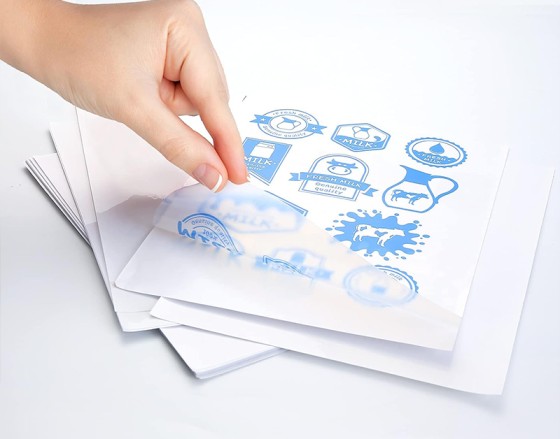
Transparent sticker printing sheets

The base material determines how each transparent layer ultimately appears. Clear containers naturally make a layered design more vivid since every applied element interacts with both the surface and the product underneath. Coloured or frosted packaging creates a more muted effect, which may enhance a brand’s aesthetic if they prefer subtlety.

Surface finish also matters. Glossy finishes produce sharper reflections which make transparent layers more pronounced. Matte finishes soften overlaps and create a more blended look. Textured materials change how light passes through each sticker and may make layered opacity gradients more noticeable.

Material compatibility is an important consideration for designers using transparent labels. Proper transparent sticker printing ensures that each layer retains clarity on various surfaces without bubbling or fading.

With the material context understood, the next factor affecting the final look is production quality.

Production Essentials for Professional Transparent Sticker Printing

Production is where design becomes reality, and layered transparent stickers require careful execution. Ink density is one of the most important elements since colours must remain crisp without appearing heavy on clear material. Too much density can create cloudiness, while too little results in washed-out visuals.

Adhesive clarity also shapes the quality of layering. A transparent sticker should blend into the packaging without visible borders. Clean cutting and uniform edges ensure that layers sit flush and do not distract from the intended design.

Preventing bubbling is essential. Even a small pocket of trapped air can distort the layered look. Quality printing processes help maintain clarity while keeping each sticker perfectly smooth.

This is where experienced providers in transparent sticker printing in Singapore become valuable because consistent output is crucial when graphics interact through multiple layers.

Strong production fundamentals allow layered stickers to perform well in real-world packaging settings, which is why many industries have adopted them.
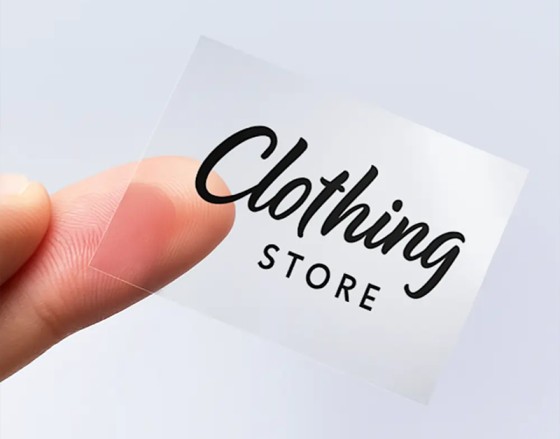
Transparent sticker printing logo

Real-World Packaging Applications Using Layered Transparent Stickers

Many brands now use layered transparency as part of their identity. The cosmetics industry often applies clear labels to create clean and refined packaging. Layered transparent stickers let them highlight design accents without covering the product inside, making items like serums or creams more visually appealing on shelves.

Food and beverage packaging also benefits from this trend. Clear sections can reveal textures or colours of the product, which strengthens the consumer’s connection to freshness and quality. Layered elements can call attention to flavour descriptions or signature patterns without cluttering the container.

Lifestyle, stationery and gifting items often experiment with patterns layered over icons or illustrations. The stacked elements provide dimension while still keeping the packaging light and elegant. Professional transparent sticker printing in Singapore helps maintain clarity and crispness even across small decorative pieces.

These examples show how layered transparency turns packaging into a visually rich experience, which brings the discussion back to how brands can take action.

A Clear Advantage for Creative Packaging

Layered transparent stickers offer brands a powerful way to express identity through subtle detail, depth and refined composition. When combined with thoughtful placement and strong production quality, this approach can make packaging feel more distinctive and engaging.

For businesses ready to enhance their packaging with layered transparent designs, Printsys provides professional support backed by experience in high-quality sticker printing. Our expertise helps ensure clarity, precision and visual consistency across every layer. Connect with our team to explore how transparent sticker solutions can elevate your next project.

Frequently Asked Questions

1. Why is transparent sticker printing popular for packaging in Singapore?

Singapore consumers prefer clean, modern packaging. Transparent stickers allow designs to look refined while showcasing the product inside, enhancing trust and visual appeal.

2. How does layering improve transparent sticker design?

Layering adds depth and hierarchy. Designers can use opacity differences, framing, and foreground–background separation to guide attention and create a more dynamic layout.

3. What packaging types work best with layered transparent stickers?

Clear bottles, glass jars, glossy surfaces and smooth containers offer the strongest visual effect. Matte or frosted packaging produces softer, more subtle layered results.

4. Why is production quality so important for transparent stickers?

 Transparent stickers reveal imperfections easily. High-quality printing prevents cloudiness, bubbling, opaque edges and colour inconsistencies that disrupt layered designs.

5. Which industries in Singapore use layered transparent stickers most?

Cosmetics, food and beverage, lifestyle goods and stationery brands commonly adopt this approach to create elegant, premium-looking packaging that stands out on shelves.
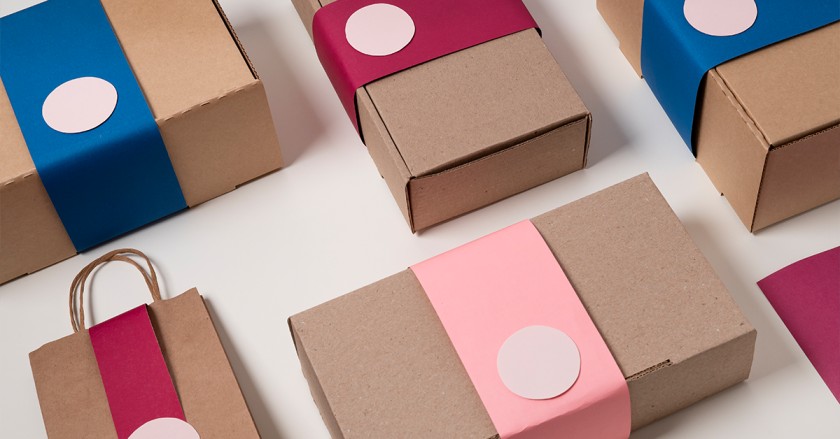
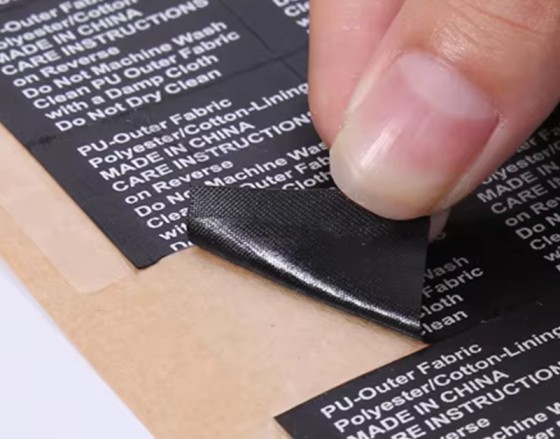
 

Custom Sticker Labels and Fabric Labels for Better Product Branding

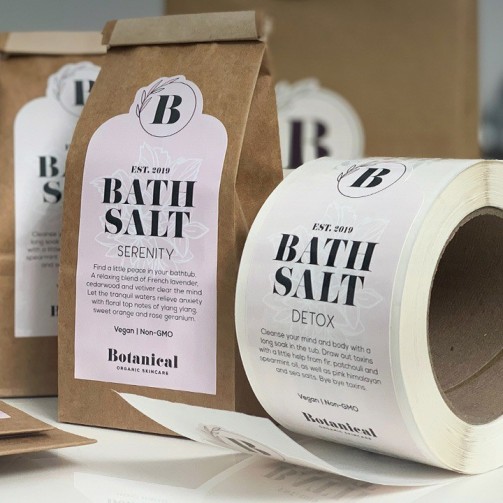
Custom sticker labels packaging

How To Choose Between Fabric Labels and Custom Sticker Labels

Selecting the right label for your products can influence how customers experience your brand. Every label communicates quality, attention to detail and professionalism. Whether you work with handmade goods, apparel, packaged items or promotional merchandise, the decision between fabric labels and custom sticker labels shapes your product’s overall appeal.

This comparison helps you understand how each label performs so that you can make an informed choice that suits your brand identity and operational needs.

Understanding What Fabric Labels Offer

Fabric sticker labels

Fabric labels are commonly used in apparel, textiles and handcrafted items. They are created using satin or cotton materials that offer a soft, flexible and premium feel.

These labels stand out because of their resilience. They are designed to endure repeated washing, heat exposure during ironing and long-term friction. Many Singaporean businesses choose fabric labels when longevity is a priority, especially when labels are meant to remain attached to a product for its entire lifespan.

Fabric labels also elevate the perceived quality of a product. Clothing brands, luxury gift creators and handmade product sellers often prefer them because they blend seamlessly into the product while adding a refined finish. However, production complexity can influence cost. 

Despite those factors, fabric labels deliver reliability where lifespan matters. They suit product lines that require durability and a cohesive, branded appearance that stays intact through regular use. For businesses that need flexibility or labels that can adhere to a wide range of surfaces, another option may suit them better.

What Makes Custom Sticker Labels a Versatile Choice

While fabric labels shine in long-term use, custom sticker labels offer unmatched versatility. These adhesive-backed labels are ideal for packaging, bottles, jars, mailers, stationery and countless consumer goods. They allow brands to communicate identity instantly without requiring sewing or heat application.

Sticker labels come in a wide range of materials and finishes. Businesses can select glossy, matte or textured surfaces to match their brand style. Shapes and sizes are fully customizable, which makes them great for unique product lines or limited-edition packaging. Good print clarity also allows fine details, gradients and vibrant colours to stand out.

Durability varies depending on material choice. With options like waterproof vinyl, laminated paper or tear-resistant synthetics, sticker labels can perform well even in environments exposed to moisture or handling. They are especially efficient for fast-moving products where cost per unit and production speed matter.

This adaptability helps businesses across industries present their products clearly and attractively. Once versatility is considered, the next step is evaluating how both label types hold up under different usage conditions.

Label Durability and Performance Compared

Durability affects how well brand information stays visible over time. This is particularly important when labels are expected to withstand washing, handling, storage conditions or environmental changes.

Fabric labels maintain their integrity because they are printed onto textile material that resists fading and tearing. They stay attached through movement, moisture and heat, making them ideal for any item that goes through repeated use. Apparel brands and textile-based product lines often prefer this level of performance.

Custom sticker labels can also be durable when produced with the right materials. Waterproof or laminated options hold up well on items that may be exposed to moisture or friction. High-quality adhesives keep them securely in place on smooth surfaces. This makes them suitable for packaging that needs to remain intact during transport or on items handled frequently by customers.

Each option provides its own strengths. Products designed for long-term wear benefit from fabric labels, while packaged goods and promotional items benefit from sticker labels built for their specific environments. At this point, durability leads naturally into a related factor that shapes customer experience.

Custom sticker labels packing

Texture, Finish and Branding Appeal

The tactile and visual qualities of labels play a meaningful role in shaping how customers perceive a product. Texture, colour quality and finish contribute to overall brand presentation.

Fabric labels provide a crafted, premium feel. Their textile structure makes them pleasant to touch and visually cohesive with clothing or handmade goods. This helps brands communicate a sense of authenticity and craftsmanship.

Sticker labels provide a different type of impact. Their variety in finishes lets businesses match the label style to product personality. Glossy options feel polished and vibrant, matte finishes look modern and clean, and textured surfaces add depth. Sticker labels also allow fine-detail printing that supports intricate designs and colourful branding.

Both label types offer unique sensory impressions. After understanding how they influence branding appeal, it becomes easier to consider how cost and application methods influence the final choice.

Cost and Application Methods

Budget and production workflow play significant roles when selecting label types. Both fabric labels and custom sticker labels in Singapore require different application approaches and materials that affect the total project cost.

Fabric labels generally involve printing on textile materials. They also require attachment through heat pressing or folding techniques. These additional steps introduce labour costs, especially for small batches or detailed designs. Brands producing high-end products or long-lasting items often accept these costs because the result supports their quality standards.

Sticker labels usually offer a simpler and more cost-effective process. They are printed in sheets or rolls and applied by hand or with automated machinery. This reduces labour time and provides scalability for bulk production. Sticker labels work well for businesses that prioritise efficiency and clear messaging without additional finishing processes.

Cost and application are often deciding factors once other elements are considered. With all comparisons laid out, businesses can use these insights to choose the label type that fits their branding goals.

Make the Right Labelling Choice for Your Brand

Choosing between fabric labels and custom sticker labels depends on your product needs, brand personality and long-term goals. Fabric labels support premium quality and long-lasting use. Sticker labels provide flexibility, vibrant print options and cost efficiency. Each option strengthens your branding in a different way.

If you want expert guidance in selecting the right label for your products, reach out to Printsys. Our team can help you explore professional solutions for both fabric label production and customised sticker label printing.

Frequently Asked Questions

1. When should Singapore businesses choose fabric labels over sticker labels?

Fabric labels are ideal for apparel, textiles and long-term products that go through washing, heat exposure or regular handling.

2. Are custom sticker labels durable enough for Singapore’s humidity?

Yes. When made with waterproof vinyl or laminated materials, sticker labels can withstand moisture, friction and frequent handling common in Singapore’s climate.

3. Which option is more cost-effective for large quantities?

Custom sticker labels are generally more cost-efficient, especially for bulk packaging or fast-moving consumer goods.

4. Do fabric labels look more premium?

Fabric labels provide a soft, crafted and high-quality appearance, making them suitable for luxury goods, handmade items and apparel.

5. What applications suit custom sticker labels best?

Sticker labels work well for jars, bottles, mailers, boxes, stationery, promotional items and any product that requires fast application and detailed printing.


Hologram Printing Services in Singapore: Growing Business Demand Explained

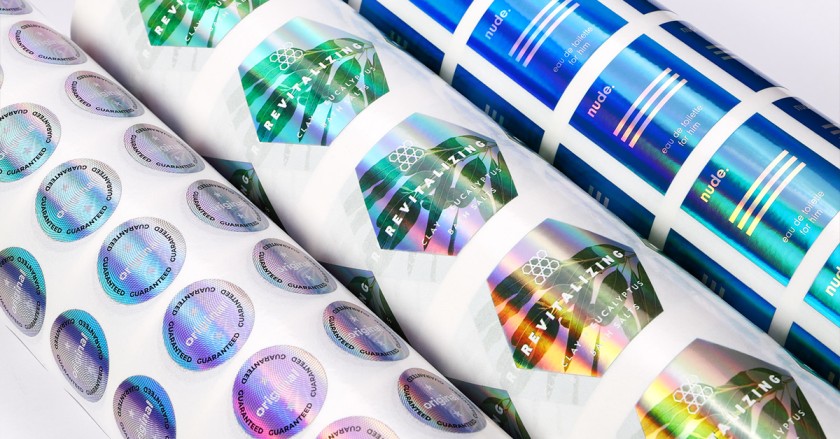
Hologram sticker printing services

The Growing Demand for Hologram Printing Services in Singapore

Singapore businesses are placing greater emphasis on product security, authenticity and modern visual appeal. As competition grows and consumer expectations rise, many brands are turning to hologram printing services to meet these needs. These stickers provide a reliable way to verify genuine products while strengthening packaging aesthetics at the same time. The use of holographic elements is no longer limited to high-value goods because many sectors now view them as essential tools for trust and differentiation. This shift has led to a steady increase in demand, especially as more companies recognise the practical and visual advantages these solutions offer.

Why Hologram Printing Has Become a Business Essential in Singapore

Businesses today operate in a market where product imitation is more accessible than ever. This has made security and authenticity a priority, even for brands that have not faced major counterfeiting issues before. Many Singaporean organisations adopt hologram sticker printing because it offers a visible layer of verification that customers can trust. These stickers are designed to display unique patterns, colours and depth effects that are challenging for counterfeiters to reproduce accurately.

Holographic elements are also used to provide tamper visibility. When placed on product packaging, a broken seal indicates interference, which helps protect both the brand and the end user. Companies also value the visual appeal these stickers bring because they elevate product presentation without changing the core design. This combination of security and aesthetics has made holographic solutions relevant across a wider range of industries. As interest continues to rise, brands naturally explore how these applications support their specific market challenges and goals.

Key Industries Driving the Demand for Hologram Printing Services

Different sectors have unique reasons for adopting holographic security elements, yet they all share a need for protection and trust. Pharmaceuticals, for instance, rely on advanced seals and identifiers that help consumers differentiate genuine medication from counterfeit alternatives. These safeguards support patient safety and compliance with industry standards.

Electronics brands use holograms to verify original components. This is important for warranty protection, quality assurance and customer confidence because imitation parts can cause significant performance issues. Beauty and consumer goods companies apply hologram stickers to reinforce the premium nature of their products. These stickers enhance brand value while discouraging imitation packaging that may look similar at first glance.

Event organisers and membership-based businesses also rely on holograms. Tickets, passes and certifications often include holographic features to prevent duplication and support easy verification at entry points. As these industries continue to expand, the role of holograms becomes more deeply integrated into their security and branding strategies. This growing integration highlights the technology behind holographic stickers and how that technology supports authenticity.

Custom hologram printing services

How Modern Hologram Stickers Strengthen Brand Protection and Authenticity

Modern hologram stickers rely on specialised optical structures that produce distinctive visual patterns. These layers interact with light to create shifting colours or images that cannot be copied through simple printing. Many holographic designs include microtext, serial numbers or intricate backgrounds that are deliberately complex to replicate.

These security features allow customers and distributors to verify products instantly. A quick tilt of the sticker reveals specific patterns or elements that confirm authenticity. Businesses also use holograms as security seals, making it clear when packaging has been opened or altered. This increases the perceived reliability of the product and helps prevent tampering in transit or at retail locations.

Beyond protection, these stickers hold branding value because they signal quality. A secure and visually appealing element enhances how customers perceive the item. As brands invest in stronger identity and reliable security, they begin to explore how holograms contribute to a more distinctive and engaging packaging experience.

The Rising Influence of Holographic Design in Packaging and Branding

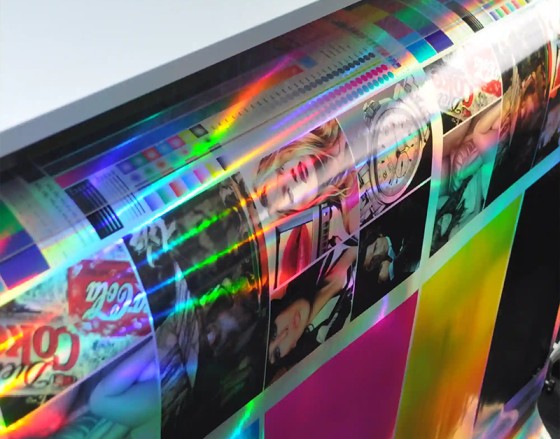
Visual communication has become a key part of building brand value. Holographic design plays a growing role in this area, especially for companies aiming to differentiate themselves in competitive markets. Iridescent finishes and reflective textures add dimension to packaging while creating a memorable visual impression. This effect helps products stand out on shelves and appeals to customers seeking modern and innovative designs.

Beauty, lifestyle and wellness brands frequently adopt these design choices. Holographic elements support their image of creativity and forward-thinking presentation. In other sectors, holographic details are used more subtly to enhance premium appeal, especially for limited-edition goods or high-value collections.

As packaging evolves into a storytelling tool, holographic elements become a natural extension of that approach. They offer both style and function, helping products communicate quality before customers even interact with them. This connection between design and trust leads brands to seek specialised production support that can deliver consistent and secure results.

How Companies Benefit from Professional Hologram Printing Solutions

Working with professionals ensures that hologram stickers meet both security and quality requirements. Businesses depend on reliable production methods that maintain consistency across large batches because security elements must match exactly to be effective. Professional providers also offer guidance on the most suitable types of holograms for specific uses, from authentication seals to decorative labels.

Customisation is another major advantage. Companies choose design elements, shapes, sizes and added security features based on their needs. Providers can also recommend materials that perform well under different environmental conditions, such as heat, humidity or frequent handling.

These benefits help brands maximise their investment in holographic elements. As companies evaluate their long-term strategies, they often look to hologram printing as a way to reinforce quality and credibility. This mindset contributes to the rising adoption of holographic solutions across Singapore’s business community.

Shaping the Future of Product Security and Visual Branding

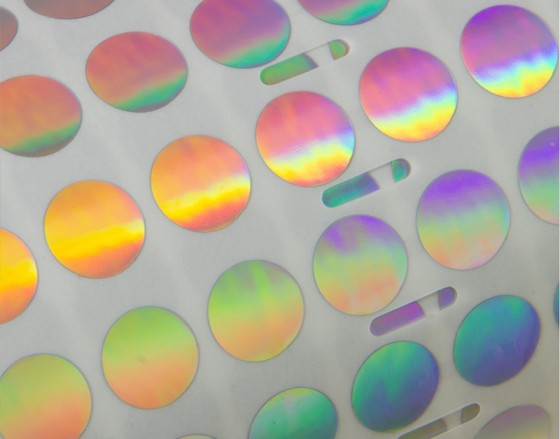
Security hologram sticker printing

The demand for holograms is expected to grow as customer awareness of product authenticity increases. Shoppers are becoming more careful about verifying genuine items, and brands recognise this shift. Companies that adopt hologram solutions build trust with their customers while staying ahead of evolving security risks.

Holographic elements are also seen as part of long-term branding plans. Businesses use them to support a consistent message of quality and innovation, which helps products stand out online and in physical stores. As more industries integrate holographic technology, the uses and designs are likely to diversify further.

This expansion reinforces the value of reliable printing solutions that can keep up with new requirements. Many businesses are discovering that partnering with experienced providers ensures both strong security outcomes and appealing packaging results. This makes hologram printing a strategic consideration for forward-thinking companies.

Ready to Enhance Security and Branding? Partner With a Trusted Specialist

As hologram printing in Singapore continues to shape how businesses protect products and communicate value, more organisations are exploring ways to incorporate these solutions into their packaging and verification processes. If your company is ready to strengthen authenticity and elevate visual appeal, Printsys offers professional support and high-quality production capabilities. Their team provides customised solutions that match the needs of different industries while maintaining consistent security and design standards. Visit their website to learn more and take the next step toward secure and impactful branding.

Frequently Asked Questions

1. Why are Singapore businesses increasingly using hologram printing services?

Companies want stronger protection against imitation products and tampering. Hologram stickers provide a visible, reliable authentication feature that builds customer trust.

2. Which industries in Singapore benefit most from hologram sticker printing?

Pharmaceuticals, electronics, cosmetics, FMCG brands, lifestyle goods and event organisers frequently use holograms for verification, premium packaging and secure ticketing.

3. What makes hologram stickers difficult to counterfeit?

They contain optical layers, shifting colour effects, microtext and intricate patterns that require specialised equipment to reproduce accurately.

4. Do hologram stickers also improve packaging design?

Yes. Their reflective and iridescent effects enhance shelf appeal and help products stand out, especially in competitive retail environments.

5. Why should companies partner with a professional hologram printing provider?

Professionals ensure consistent quality, precise security features, customisation options and materials that perform well in Singapore’s humid climate and high-handling conditions.


How Waterproof Sticker Technology Really Works

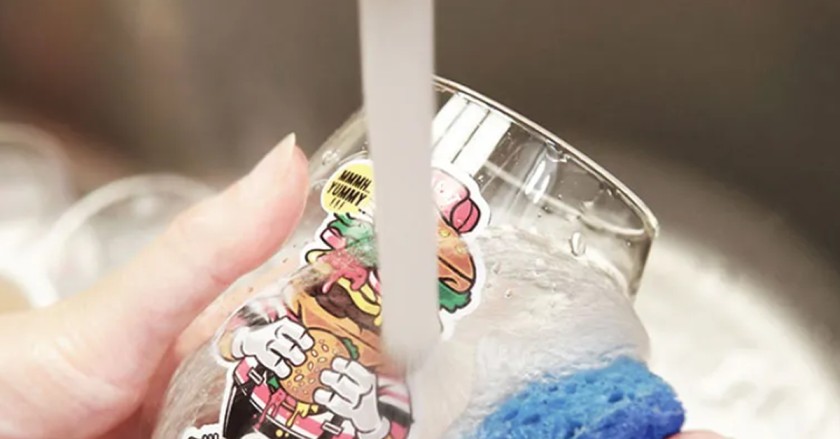
Waterproof sticker on glass

The Hidden Engineering Behind Every Waterproof Sticker

A waterproof sticker may look simple, but its strength lies in layers of engineering that help it stay bright, tough and reliable. Every element, from the base material to the final printed surface, is designed to withstand moisture, heat and constant handling. Understanding what goes into these stickers reveals why they perform so well in everyday and industrial environments. This article explores the science behind the materials, adhesives, protective layers and printing technologies that allow waterproof labels to stay intact in demanding conditions

The Materials That Form the Base of Every Waterproof Sticker

The foundation of durability begins with the material that forms the body of the sticker. These materials influence how well the sticker bends, stretches and resists moisture over long periods.

Vinyl is widely used because it remains stable in humid environments. It adapts well to curved surfaces and holds its form even when exposed to temperature shifts. Polypropylene is another option that offers a lightweight and economical alternative while still resisting water. Polyester is valued for its rigidity and heat tolerance, and it is often chosen for labels applied to electronics, machinery or items exposed to friction.

Paper can be used, but it does not naturally repel moisture. It needs additional layers to protect it from absorbing water. This makes it suitable only when paired with protective coatings or laminates.

These choices show that material selection shapes the overall performance of the sticker. Once the base is selected, the adhesive layer becomes equally important for long-lasting results.

The Role of Adhesive Engineering in Long-Lasting Stickers

Adhesives determine whether a sticker stays in place when exposed to water or changing temperatures. They must bond to surfaces without softening or peeling away.

Pressure-sensitive adhesives are commonly used because they activate upon contact with a surface. They do not require heat or water to bond. Acrylic adhesives hold up well in both indoor and outdoor conditions. They resist moisture and provide stable adhesion on glass, metal and plastic. Rubber-based adhesives bond quickly and strongly but are more sensitive to heat and sunlight.

Different surfaces interact differently with adhesives. Smooth materials like glass may need an adhesive that spreads evenly, while textured surfaces require one that can grip through small gaps. Choosing the right adhesive ensures the waterproof sticker performs reliably under stress.

With a strong adhesive, the next layer that contributes to durability is the protective laminate that shields the sticker from wear.

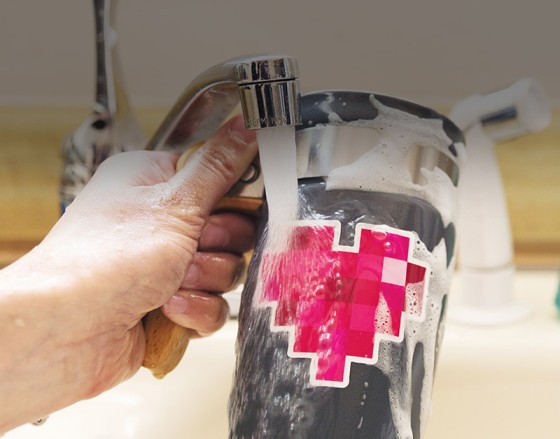
Waterproof sticker on mug

How Laminates and Coatings Protect Stickers From Wear

Lamination adds a barrier that guards against scratches, fingerprints and fading in a waterproof sticker. It acts as a shield that prevents moisture from reaching both the ink and the material beneath.

Gloss laminates enhance colour vibrancy and reflect light. Matte laminates reduce glare and create a smooth, understated finish. UV-resistant laminates protect the sticker from sun exposure and help maintain clarity over time.

When lamination is not practical, coatings or varnishes are used. These liquid-applied layers offer a thinner level of protection and are suitable for stickers intended for light indoor use.

Each of these layers adds another level of stability to the sticker. Once protected, the printed design itself must be durable, which depends heavily on the print technology used.

Why Print Technology Determines Sticker Lifespan

Print technology affects how well a sticker resists colour fading, moisture damage and abrasion. The type of ink and curing method determines how the final design holds up.

Solvent and eco-solvent printing provide deep colour saturation and produce prints that resist outdoor conditions. Latex printing uses water-based inks that become highly durable once cured. UV printing cures ink instantly using ultraviolet light and creates a surface that resists fading and scratching.

Ink curing plays a significant role in waterproof performance. Properly cured ink bonds firmly to the material and prevents smudging or colour lift when exposed to moisture.

High-resolution printing ensures that details remain sharp. This is especially important for barcodes, ingredient lists and safety labels that must stay legible in harsh environments.

These systems complete the engineering behind durable stickers and contribute to their ability to perform reliably in many settings.

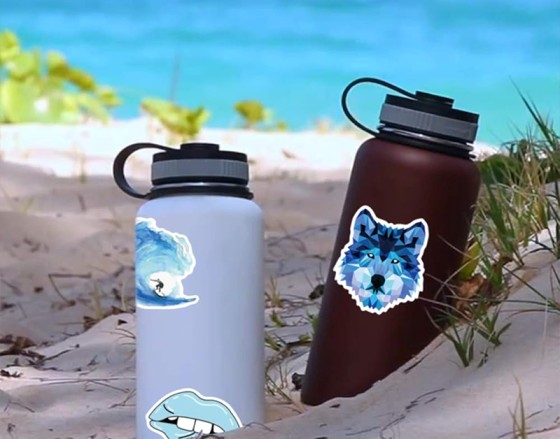
Waterproof sticker on bottle

Built to Last in Any Environment

A waterproof sticker depends on layers of engineering that work together to maintain performance. Materials form a sturdy base. Adhesives keep the sticker fixed. Laminates and coatings provide protection. Printing technology ensures the design stays vibrant and clear. Each component strengthens the next and helps the final product withstand the demands of daily use in Singapore.

For high-quality printing that applies these principles with precision, consider exploring the services offered by Printsys. Their expertise ensures that every sticker is produced with durability and performance in mind.

Frequently Asked Questions

1. What materials make waterproof stickers suitable for Singapore’s climate?

 Vinyl, polypropylene and polyester perform well because they resist humidity, heat and frequent handling — conditions common in Singapore.

2. Why do adhesives matter for waterproof sticker performance?

Adhesives ensure the sticker stays in place even when exposed to moisture or temperature shifts. Acrylic adhesives, in particular, are reliable for both indoor and outdoor use.

3. Do waterproof stickers always require lamination?

 While lamination provides strong protection against scratches, UV light and moisture, lighter indoor stickers may use coatings instead. The choice depends on how the sticker will be used.

4. What printing methods create long-lasting waterproof stickers?

 UV, solvent and eco-solvent printing are commonly used because they produce durable, fade-resistant prints that hold up well in Singapore’s weather.

5. Where are waterproof stickers typically used in Singapore?

 They are used for packaging, product labels, equipment tags, outdoor branding, safety labels and surfaces that face moisture — such as bottles, machinery and courier parcels.


The Differences Between Paper Stickers and Vinyl Stickers Explained

Custom paper sticker application

The Differences Between Paper Stickers and Vinyl Stickers Explained

Stickers remain a practical way to enhance packaging, label products and support branding efforts. Their appearance, lifespan and performance depend heavily on the materials used. Choosing the right option can make a noticeable difference, especially when working on packaging, business labels or promotional items. In many cases, a paper sticker is suitable, although vinyl options may be a better match for long-term needs. Understanding how both materials function helps you select the right type for your project in Singapore.

What Makes Paper Stickers Unique

Paper-based stickers are a common choice because they are easy to customise and suitable for a wide range of indoor applications. Their natural texture gives them a familiar and pleasant feel, which many brands prefer for packaging, product tags and retail labels.

Paper offers excellent printability due to its absorbent surface. Colours tend to appear soft and natural, while fine details remain clear. Depending on the finish chosen, paper stickers can appear matte or glossy. Matte options work well for minimal or rustic styles, while glossy surfaces provide a more polished look.

This material is often used for bakery goods, gift packaging, food jars, event labels and merchandise that stays indoors. It suits short to medium term use, and it offers a straightforward way to add branding elements without overcomplicating the design process. Since paper reacts to moisture and friction, it performs best in controlled environments where items are handled gently.

As you explore alternatives, it becomes clear that some projects call for a material built to withstand harsher conditions, which leads to vinyl options.

How Vinyl Stickers Perform in Tougher Conditions

Vinyl is preferred for projects that require strength and protection. As a synthetic material, it remains stable in challenging environments and holds its shape even when exposed to water or sunlight.

Vinyl stickers maintain colour vibrancy extremely well. Their non-absorbent surface supports crisp printing, creating sharper edges and deeper hues. This stability is one of the reasons they are chosen for outdoor branding, product labels that face regular handling and equipment marking. They are commonly used on bottles, mailer boxes, car surfaces and waterproof packaging.

This material is also resistant to peeling when applied correctly. Vinyl remains flexible without tearing easily, which contributes to its longevity. Businesses often choose it when they want labels to stay intact through temperature changes or repeated washing.

These qualities highlight the durability advantages vinyl brings to the table. Understanding this difference makes it easier to compare how both materials perform over time.

Durability Comparison Between Paper and Vinyl Stickers

Durability is often one of the deciding factors when choosing between paper and vinyl. Both have strengths, and each material offers a different lifespan depending on where it is used.

Paper performs well indoors. When kept away from moisture, sunlight and friction, a paper sticker maintains its appearance for a reasonable period. However, it can tear when handled frequently, and water exposure quickly affects the surface.

Vinyl thrives in more demanding settings. It withstands exposure to humidity and sunlight without warping or fading. Its waterproof structure allows it to remain intact on bottles, outdoor signage and equipment labels. Vinyl adhesion also tends to last longer because the material does not degrade easily.

These performance differences naturally lead to another important consideration. Beyond how long a sticker lasts, the way it looks and feels plays a significant role in material selection.

Die cut paper stickers

Design Flexibility and Finish Options

Sticker materials influence more than durability. They also guide the visual style and finishing possibilities available for a project.

Paper supports detailed printing because its surface absorbs ink well. This allows for intricate text, soft gradients and muted colours that appear natural. Matte and glossy coatings both work well on paper and can shape the final appearance to match the intended theme.

Vinyl, however, produces sharper and more saturated colours. Its smooth surface ensures that designs stay crisp and vibrant. Vinyl also offers specialty looks that paper cannot replicate, such as transparent styles for products that require subtle branding.

As you compare finishes, it becomes easier to understand how material type affects project cost. These visual and structural qualities influence pricing decisions for businesses and individuals.

Cost Differences and When Each Material Makes Sense

Project budgets often influence the choice between paper and vinyl materials. Paper-based options generally cost less because the raw material and printing process are simpler. This makes paper an appealing choice for short-term labels, event giveaways or products that will not encounter heavy use.

Vinyl costs more because it offers durability and advanced finishing possibilities. When long-term performance is the priority or when items face moisture or outdoor exposure, paying more for vinyl becomes a worthwhile investment. Businesses often choose vinyl for reusable containers, equipment labels, outdoor merchandise or temperature-sensitive packaging.

Understanding these costs helps refine material choices. At this point, knowing the behaviours, finishes and price ranges of each option allows you to match them more easily with real-world scenarios.

Paper sticker roll printing

Choosing the Right Sticker for Your Needs

Different projects call for different materials. A paper sticker works well for indoor retail items, handmade goods, candle jars and food labels that do not require water resistance. Its soft texture and print quality suit designs that emphasise warmth, minimalism or natural elements.

Vinyl is the better choice when you need labels to last. Outdoor branding, reusable bottles, electronics, courier packaging and promotional items benefit from vinyl’s stability and waterproof nature. It provides stronger adhesion and retains its appearance even when exposed to moisture or sunlight.

Aligning your requirements with each material ensures that the stickers perform well in their intended environment. With this clarity, the decision becomes simpler.

A Smart Choice for Every Project

Selecting the right sticker material can elevate packaging, strengthen branding and improve the overall experience of your product. Paper and vinyl each offer useful benefits, and choosing the right option ensures your design remains functional and appealing.

If you need professional support in selecting or producing the right sticker material in Singapore, reach out to Printsys. Their range of solutions can help you create high quality stickers tailored to your needs.

Frequently Asked Questions

1. What is the main difference between paper and vinyl stickers?

Paper offers a softer, natural look suited for indoor and short-term use, while vinyl is waterproof, UV-resistant and designed for long-term durability.

2. Are paper stickers good for product packaging?

Yes. Paper stickers are commonly used for retail packaging, jars, candles and handmade goods. They work best in dry, indoor conditions and offer excellent print clarity.

3. When should vinyl stickers be used instead of paper?

Vinyl is the preferred choice for outdoor applications, moisture-prone items, reusable bottles, courier packaging and any surface exposed to sunlight or frequent handling.

4. Do paper stickers and vinyl stickers support different finishes?

Paper supports matte and gloss finishes for natural or polished looks. Vinyl supports crisp, vibrant prints and can include specialty finishes such as transparent styles.

5. Why do vinyl stickers cost more?

Vinyl is a synthetic, durable material designed to withstand harsh conditions. Its waterproof and UV-resistant qualities require a more advanced production process, which increases cost.