

The Differences Between Paper Stickers and Vinyl Stickers Explained
The Differences Between Paper Stickers and Vinyl Stickers Explained
Stickers remain a practical way to enhance packaging, label products and support branding efforts. Their appearance, lifespan and performance depend heavily on the materials used. Choosing the right option can make a noticeable difference, especially when working on packaging, business labels or promotional items. In many cases, a paper sticker is suitable, although vinyl options may be a better match for long-term needs. Understanding how both materials function helps you select the right type for your project in Singapore.
What Makes Paper Stickers Unique
Paper-based stickers are a common choice because they are easy to customise and suitable for a wide range of indoor applications. Their natural texture gives them a familiar and pleasant feel, which many brands prefer for packaging, product tags and retail labels.
Paper offers excellent printability due to its absorbent surface. Colours tend to appear soft and natural, while fine details remain clear. Depending on the finish chosen, paper stickers can appear matte or glossy. Matte options work well for minimal or rustic styles, while glossy surfaces provide a more polished look.
This material is often used for bakery goods, gift packaging, food jars, event labels and merchandise that stays indoors. It suits short to medium term use, and it offers a straightforward way to add branding elements without overcomplicating the design process. Since paper reacts to moisture and friction, it performs best in controlled environments where items are handled gently.
As you explore alternatives, it becomes clear that some projects call for a material built to withstand harsher conditions, which leads to vinyl options.
How Vinyl Stickers Perform in Tougher Conditions
Vinyl is preferred for projects that require strength and protection. As a synthetic material, it remains stable in challenging environments and holds its shape even when exposed to water or sunlight.
Vinyl stickers maintain colour vibrancy extremely well. Their non-absorbent surface supports crisp printing, creating sharper edges and deeper hues. This stability is one of the reasons they are chosen for outdoor branding, product labels that face regular handling and equipment marking. They are commonly used on bottles, mailer boxes, car surfaces and waterproof packaging.
This material is also resistant to peeling when applied correctly. Vinyl remains flexible without tearing easily, which contributes to its longevity. Businesses often choose it when they want labels to stay intact through temperature changes or repeated washing.
These qualities highlight the durability advantages vinyl brings to the table. Understanding this difference makes it easier to compare how both materials perform over time.
Durability Comparison Between Paper and Vinyl Stickers
Durability is often one of the deciding factors when choosing between paper and vinyl. Both have strengths, and each material offers a different lifespan depending on where it is used.
Paper performs well indoors. When kept away from moisture, sunlight and friction, a paper sticker maintains its appearance for a reasonable period. However, it can tear when handled frequently, and water exposure quickly affects the surface.
Vinyl thrives in more demanding settings. It withstands exposure to humidity and sunlight without warping or fading. Its waterproof structure allows it to remain intact on bottles, outdoor signage and equipment labels. Vinyl adhesion also tends to last longer because the material does not degrade easily.
These performance differences naturally lead to another important consideration. Beyond how long a sticker lasts, the way it looks and feels plays a significant role in material selection.
Design Flexibility and Finish Options
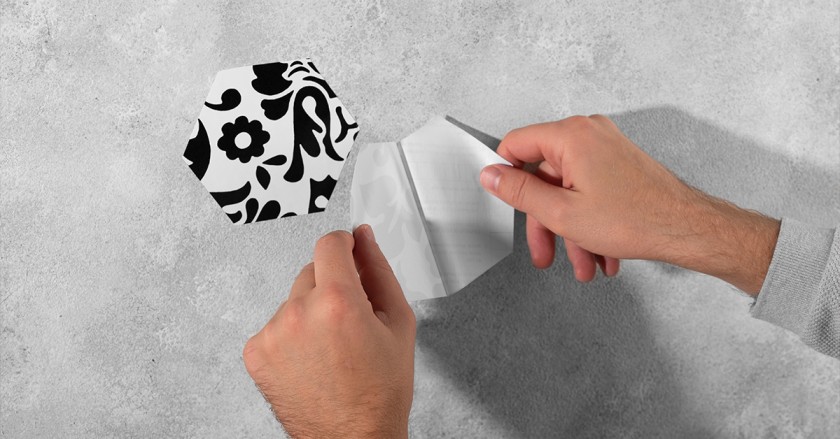
Sticker materials influence more than durability. They also guide the visual style and finishing possibilities available for a project.
Paper supports detailed printing because its surface absorbs ink well. This allows for intricate text, soft gradients and muted colours that appear natural. Matte and glossy coatings both work well on paper and can shape the final appearance to match the intended theme.
Vinyl, however, produces sharper and more saturated colours. Its smooth surface ensures that designs stay crisp and vibrant. Vinyl also offers specialty looks that paper cannot replicate, such as transparent styles for products that require subtle branding.
As you compare finishes, it becomes easier to understand how material type affects project cost. These visual and structural qualities influence pricing decisions for businesses and individuals.
Cost Differences and When Each Material Makes Sense
Project budgets often influence the choice between paper and vinyl materials. Paper-based options generally cost less because the raw material and printing process are simpler. This makes paper an appealing choice for short-term labels, event giveaways or products that will not encounter heavy use.
Vinyl costs more because it offers durability and advanced finishing possibilities. When long-term performance is the priority or when items face moisture or outdoor exposure, paying more for vinyl becomes a worthwhile investment. Businesses often choose vinyl for reusable containers, equipment labels, outdoor merchandise or temperature-sensitive packaging.
Understanding these costs helps refine material choices. At this point, knowing the behaviours, finishes and price ranges of each option allows you to match them more easily with real-world scenarios.
Choosing the Right Sticker for Your Needs
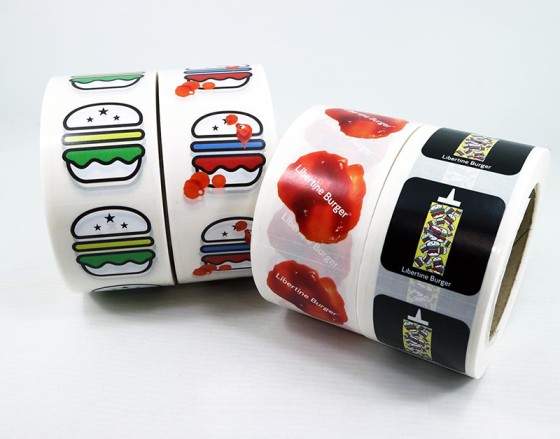
Different projects call for different materials. A paper sticker works well for indoor retail items, handmade goods, candle jars and food labels that do not require water resistance. Its soft texture and print quality suit designs that emphasise warmth, minimalism or natural elements.
Vinyl is the better choice when you need labels to last. Outdoor branding, reusable bottles, electronics, courier packaging and promotional items benefit from vinyl’s stability and waterproof nature. It provides stronger adhesion and retains its appearance even when exposed to moisture or sunlight.
Aligning your requirements with each material ensures that the stickers perform well in their intended environment. With this clarity, the decision becomes simpler.
A Smart Choice for Every Project
Selecting the right sticker material can elevate packaging, strengthen branding and improve the overall experience of your product. Paper and vinyl each offer useful benefits, and choosing the right option ensures your design remains functional and appealing.
If you need professional support in selecting or producing the right sticker material in Singapore, reach out to Printsys. Their range of solutions can help you create high quality stickers tailored to your needs.
Frequently Asked Questions
1. What is the main difference between paper and vinyl stickers?
Paper offers a softer, natural look suited for indoor and short-term use, while vinyl is waterproof, UV-resistant and designed for long-term durability.
2. Are paper stickers good for product packaging?
Yes. Paper stickers are commonly used for retail packaging, jars, candles and handmade goods. They work best in dry, indoor conditions and offer excellent print clarity.
3. When should vinyl stickers be used instead of paper?
Vinyl is the preferred choice for outdoor applications, moisture-prone items, reusable bottles, courier packaging and any surface exposed to sunlight or frequent handling.
4. Do paper stickers and vinyl stickers support different finishes?
Paper supports matte and gloss finishes for natural or polished looks. Vinyl supports crisp, vibrant prints and can include specialty finishes such as transparent styles.
5. Why do vinyl stickers cost more?
Vinyl is a synthetic, durable material designed to withstand harsh conditions. Its waterproof and UV-resistant qualities require a more advanced production process, which increases cost.