

Designers—Work With Folding And Diecut Services
Why Every Designer Should Experiment With Die-Cut Techniques
Designers are always searching for new ways to make printed materials stand out. With so many screens and digital platforms, more and more brands are returning to print to leave a lasting impact on consumers. Die cutting is a technique that offers an accessible way to introduce dimension and character into flat pieces without relying on elaborate finishes or costly embellishments. With the help of professional folding and die-cut services, designers can explore a wide range of shapes and tactile effects while still ensuring accurate production.
What Die-Cutting Really Allows You to Do
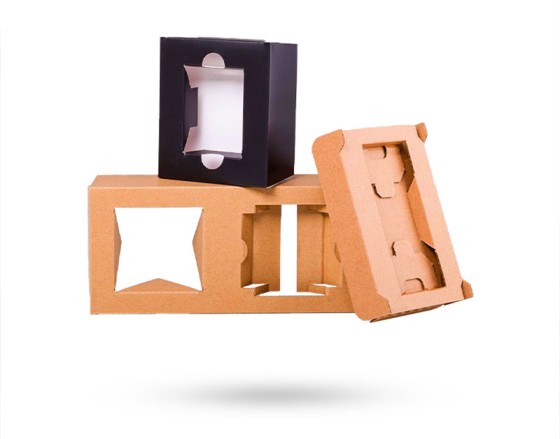
Die cutting offers designers a way to incorporate shape as an intentional design element rather than relying on default rectangular formats. At its core, the process uses a custom-shaped blade to cut precise outlines, openings or forms out of paper or other print materials. This gives designers a level of control that transforms print from a flat surface into a shaped object that supports clearer communication.
To understand its capabilities, designers often focus on a few core functions that die cutting enables:
- Shaping the overall form of the piece: A custom die can define the outline of a card, tag or package. This allows designers to echo brand elements, symbol shapes or product motifs in a clean and consistent way. The shape itself becomes part of the visual identity and helps the piece stand out from traditional formats.
- Supporting visual hierarchy and layout flow: Strategic contours can subtly direct the viewer’s eye across the layout. A curved edge can guide attention to a headline, while angled cuts can frame important content. These structural cues help emphasise messaging in a natural, non-intrusive way.
- Expressive silhouettes that define the overall mood: Sculpted outlines immediately change how a design is perceived. Soft curves feel friendly or elegant, while angular or asymmetrical shapes introduce energy or tension. These silhouettes do more than frame the content. They help set the emotional tone before a single word is read.
- Layered die-cut compositions that add depth and movement: Using multiple tiers of cardstock or layered surfaces, designers can create a piece that unfolds visually as the viewer interacts with it. Shadows, overlaps and staggered shapes give the layout a sense of dimension that feels almost architectural. This transforms the print from a flat surface into a small tactile experience.
- Peek-through openings that create moments of discovery: These cut-outs are designed to invite curiosity. A partial reveal of colour, texture or illustration encourages the viewer to lift, rotate or lean in closer. This interactive effect adds narrative depth by letting the viewer uncover information gradually rather than all at once.
These fundamentals set the stage for exploring more experimental approaches that go beyond basic shape control.
Designing Beyond the Rectangle
Once designers understand the functional possibilities of die cutting, they can begin using shape as a form of creative expression rather than only structural design. The viewer is encouraged to engage with the piece more closely because the form itself communicates mood, intention and style. This creative expansion often comes from exploring several related choices.
Material selection significantly deepens the tactile and visual experience of a shaped design.
- Thicker stocks create sculptural, well-defined edges that add weight and presence to custom outlines.
- Transparent or frosted sheets introduce light and shadow effects, allowing windows, cut-outs and layered shapes to shift in appearance as the piece is moved.
- Textured papers add a sensory dimension, where contours feel more intentional, edges become more pronounced, and every cut influences the overall character of the design.
When folds are introduced, the piece gains movement, rhythm and pacing. A well-considered fold can guide how information is revealed, shaping the sequence in which someone experiences the content. Multi-panel formats, subtle creases and layered fold structures help the design unfold like a physical narrative, with each section opening into the next.
When thoughtful materials, structural folds and precise die-cutting work together, the result is a print piece that goes beyond imagery alone. It becomes an immersive object that communicates through its form, texture and movement as much as through the visuals printed on its surface.
Tips for Designing for Die-Cut Success
A successful die-cut design relies on planning. While the technique allows for expressive creativity, accuracy and structure play important roles in producing clean, reliable results.
Many designers keep a few best practices in mind during their planning phase:
- Respecting Margins and Safe Zones: Keeping important elements away from the edge of the die line prevents accidental trimming. This is especially important for text and key branding.
- Simplifying Fragile Areas: Extremely thin points or sharp internal angles may weaken during cutting. Softening these areas helps preserve structure without losing the intended shape.
- Understanding Material Behaviour: Different paper stocks and thicknesses respond differently to a die. Heavier papers may produce beautiful dimensional edges, but need more generous curves. Lighter papers handle fine detail but can be more delicate to handle.
These considerations make collaboration essential. Communicating early with the printing team allows designers to confirm feasibility, request dieline templates and test prototype prints. Early feedback reduces the chance of costly adjustments later. Designers who understand how folding and die-cut services affect alignment, ink coverage and structural strength can craft artwork that matches production reality more closely.
Once these practical steps feel familiar, designers often find themselves pushing their ideas further and exploring new formats more confidently.
Shaping Ideas Into Impactful Designs
Die cutting gives designers the chance to introduce personality, depth and storytelling into printed work in a way few techniques can match. Creative silhouettes, layered reveals and tactile interactions help elevate everyday materials, turning them into memorable experiences that people want to keep and share. With thoughtful planning and support from reliable folding and die-cut services in Singapore, even simple concepts can be transformed into standout pieces.
For designers ready to explore what die cutting can bring to their next project, Printsys provides the specialised expertise and production support needed to bring creative ideas to life.
Contact us today to find out more about our services and how we can help make your brand more impactful!
Frequently Asked Questions
1. What makes die cutting valuable for designers?
Die cutting introduces shape, depth and interactivity into printed pieces, allowing designers to go beyond rectangular layouts and create visually distinctive work.
2. How do folding and die-cut services enhance print design?
They add structure, pacing and movement. Folds guide how information is revealed, while custom cuts create outlines, windows or layered effects that support storytelling.
3. What materials work best for die-cut designs?
Thicker stocks create sculptural edges, textured papers offer tactile detail, and transparent or frosted sheets introduce light and shadow effects that change as the piece moves.
4. What should designers consider before producing a die-cut piece?
Important elements must stay within safe zones, fragile points should be simplified, and material behaviour should be accounted for to ensure clean, stable cutting.
5. Why is collaboration with the printing team important?
Early communication helps confirm feasibility, align on dieline templates, test prototypes and ensure that the final piece matches the intended design without structural issues.