

Custom Sticker Labels and Fabric Labels for Better Product Branding
How To Choose Between Fabric Labels and Custom Sticker Labels
Selecting the right label for your products can influence how customers experience your brand. Every label communicates quality, attention to detail and professionalism. Whether you work with handmade goods, apparel, packaged items or promotional merchandise, the decision between fabric labels and custom sticker labels shapes your product’s overall appeal.
This comparison helps you understand how each label performs so that you can make an informed choice that suits your brand identity and operational needs.
Understanding What Fabric Labels Offer
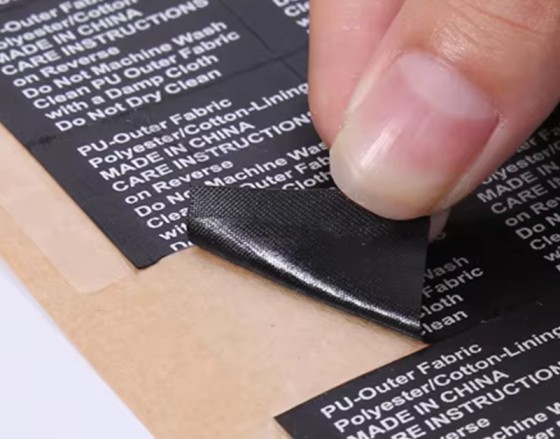
Fabric labels are commonly used in apparel, textiles and handcrafted items. They are created using satin or cotton materials that offer a soft, flexible and premium feel.
These labels stand out because of their resilience. They are designed to endure repeated washing, heat exposure during ironing and long-term friction. Many Singaporean businesses choose fabric labels when longevity is a priority, especially when labels are meant to remain attached to a product for its entire lifespan.
Fabric labels also elevate the perceived quality of a product. Clothing brands, luxury gift creators and handmade product sellers often prefer them because they blend seamlessly into the product while adding a refined finish. However, production complexity can influence cost.
Despite those factors, fabric labels deliver reliability where lifespan matters. They suit product lines that require durability and a cohesive, branded appearance that stays intact through regular use. For businesses that need flexibility or labels that can adhere to a wide range of surfaces, another option may suit them better.
What Makes Custom Sticker Labels a Versatile Choice
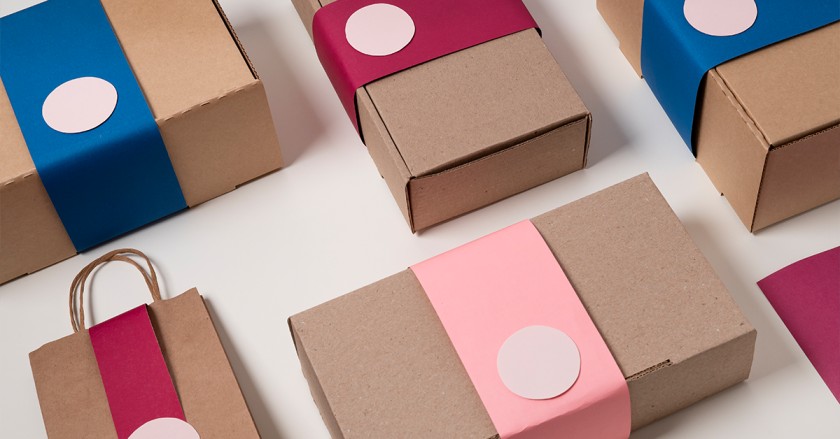
While fabric labels shine in long-term use, custom sticker labels offer unmatched versatility. These adhesive-backed labels are ideal for packaging, bottles, jars, mailers, stationery and countless consumer goods. They allow brands to communicate identity instantly without requiring sewing or heat application.
Sticker labels come in a wide range of materials and finishes. Businesses can select glossy, matte or textured surfaces to match their brand style. Shapes and sizes are fully customizable, which makes them great for unique product lines or limited-edition packaging. Good print clarity also allows fine details, gradients and vibrant colours to stand out.
Durability varies depending on material choice. With options like waterproof vinyl, laminated paper or tear-resistant synthetics, sticker labels can perform well even in environments exposed to moisture or handling. They are especially efficient for fast-moving products where cost per unit and production speed matter.
This adaptability helps businesses across industries present their products clearly and attractively. Once versatility is considered, the next step is evaluating how both label types hold up under different usage conditions.
Label Durability and Performance Compared
Durability affects how well brand information stays visible over time. This is particularly important when labels are expected to withstand washing, handling, storage conditions or environmental changes.
Fabric labels maintain their integrity because they are printed onto textile material that resists fading and tearing. They stay attached through movement, moisture and heat, making them ideal for any item that goes through repeated use. Apparel brands and textile-based product lines often prefer this level of performance.
Custom sticker labels can also be durable when produced with the right materials. Waterproof or laminated options hold up well on items that may be exposed to moisture or friction. High-quality adhesives keep them securely in place on smooth surfaces. This makes them suitable for packaging that needs to remain intact during transport or on items handled frequently by customers.
Each option provides its own strengths. Products designed for long-term wear benefit from fabric labels, while packaged goods and promotional items benefit from sticker labels built for their specific environments. At this point, durability leads naturally into a related factor that shapes customer experience.
Texture, Finish and Branding Appeal
The tactile and visual qualities of labels play a meaningful role in shaping how customers perceive a product. Texture, colour quality and finish contribute to overall brand presentation.
Fabric labels provide a crafted, premium feel. Their textile structure makes them pleasant to touch and visually cohesive with clothing or handmade goods. This helps brands communicate a sense of authenticity and craftsmanship.
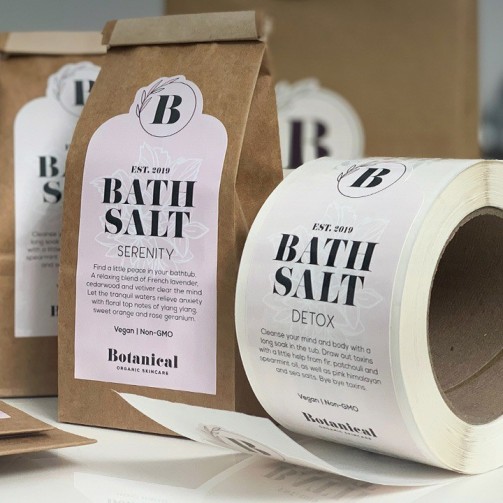
Sticker labels provide a different type of impact. Their variety in finishes lets businesses match the label style to product personality. Glossy options feel polished and vibrant, matte finishes look modern and clean, and textured surfaces add depth. Sticker labels also allow fine-detail printing that supports intricate designs and colourful branding.
Both label types offer unique sensory impressions. After understanding how they influence branding appeal, it becomes easier to consider how cost and application methods influence the final choice.
Cost and Application Methods
Budget and production workflow play significant roles when selecting label types. Both fabric labels and custom sticker labels in Singapore require different application approaches and materials that affect the total project cost.
Fabric labels generally involve printing on textile materials. They also require attachment through heat pressing or folding techniques. These additional steps introduce labour costs, especially for small batches or detailed designs. Brands producing high-end products or long-lasting items often accept these costs because the result supports their quality standards.
Sticker labels usually offer a simpler and more cost-effective process. They are printed in sheets or rolls and applied by hand or with automated machinery. This reduces labour time and provides scalability for bulk production. Sticker labels work well for businesses that prioritise efficiency and clear messaging without additional finishing processes.
Cost and application are often deciding factors once other elements are considered. With all comparisons laid out, businesses can use these insights to choose the label type that fits their branding goals.
Make the Right Labelling Choice for Your Brand
Choosing between fabric labels and custom sticker labels depends on your product needs, brand personality and long-term goals. Fabric labels support premium quality and long-lasting use. Sticker labels provide flexibility, vibrant print options and cost efficiency. Each option strengthens your branding in a different way.
If you want expert guidance in selecting the right label for your products, reach out to Printsys. Our team can help you explore professional solutions for both fabric label production and customised sticker label printing.
Frequently Asked Questions
1. When should Singapore businesses choose fabric labels over sticker labels?
Fabric labels are ideal for apparel, textiles and long-term products that go through washing, heat exposure or regular handling.
2. Are custom sticker labels durable enough for Singapore’s humidity?
Yes. When made with waterproof vinyl or laminated materials, sticker labels can withstand moisture, friction and frequent handling common in Singapore’s climate.
3. Which option is more cost-effective for large quantities?
Custom sticker labels are generally more cost-efficient, especially for bulk packaging or fast-moving consumer goods.
4. Do fabric labels look more premium?
Fabric labels provide a soft, crafted and high-quality appearance, making them suitable for luxury goods, handmade items and apparel.
5. What applications suit custom sticker labels best?
Sticker labels work well for jars, bottles, mailers, boxes, stationery, promotional items and any product that requires fast application and detailed printing.