

Waterproof Sticker Guide: Materials, Printing, and Finishing for Durable Labels
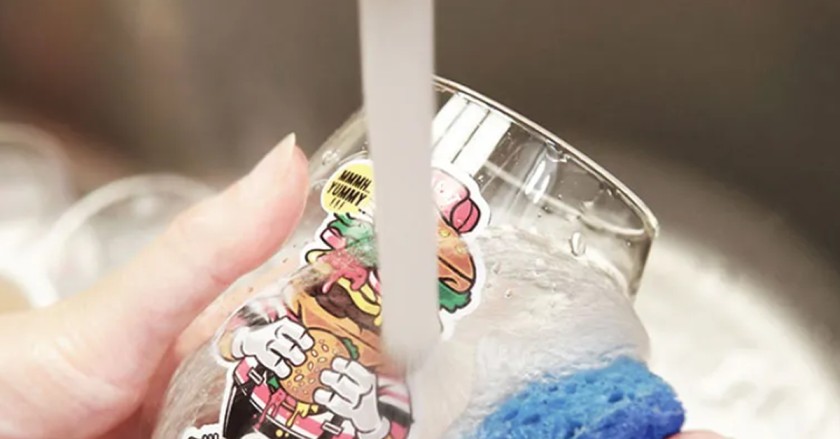
A waterproof sticker is designed to remain durable and readable even when exposed to moisture, humidity, and frequent handling. These labels are commonly used for product packaging, equipment tags, outdoor branding, and logistics labels where standard paper stickers may deteriorate quickly.
A waterproof sticker is an adhesive label made from water-resistant materials such as vinyl, polypropylene, or polyester. These materials are combined with durable inks, protective coatings, and specialised adhesives to ensure the label maintains its appearance and adhesion even in challenging environments.
For businesses in Singapore, waterproof stickers are widely used for packaging labels, bottle labels, courier parcels, and equipment identification. Their layered construction—from base material to finishing treatment—ensures that labels remain functional and visually consistent throughout their lifecycle.
Understanding how waterproof stickers are produced helps businesses choose labels that perform reliably in real-world conditions.
What Is a Waterproof Sticker?
A waterproof sticker is a pressure-sensitive adhesive label designed to resist water, humidity, and environmental exposure. These labels are produced using synthetic materials and protective printing technologies that prevent fading, peeling, or ink smudging.
Waterproof stickers are commonly used for:
- product packaging and bottle labels
- outdoor promotional stickers
- equipment and machinery labels
- logistics and courier packaging
- safety and compliance labels
Because they maintain strong adhesion and print clarity, waterproof stickers are suitable for both indoor and outdoor applications.
Benefits of Using a Waterproof Sticker for Product Labels
Businesses choose waterproof stickers because they provide durability and reliability in environments where labels may encounter moisture or heavy handling.
Key advantages include:
- resistance to moisture and humidity
- durable print quality that prevents fading
- strong adhesion on glass, plastic, metal, and packaging materials
- resistance to scratches and surface wear
- suitability for outdoor branding and product packaging
These benefits make waterproof stickers particularly valuable for product packaging, industrial labels, and logistics environments.
Materials Used to Produce Waterproof Stickers
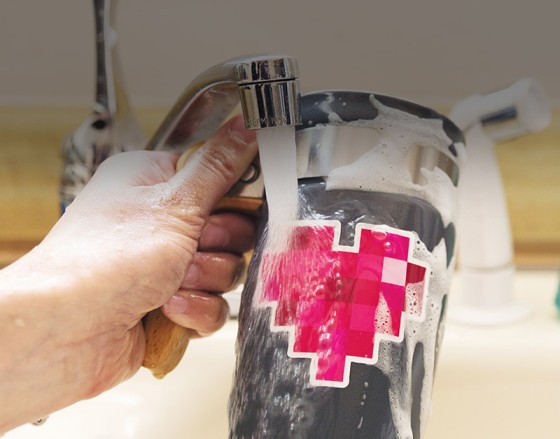
The durability of a waterproof sticker depends largely on the material used to create the label surface.
Vinyl
Vinyl is one of the most commonly used materials for waterproof stickers. It is flexible, durable, and resistant to moisture, making it ideal for curved surfaces such as bottles or containers.
Polypropylene (PP)
Polypropylene offers water resistance while remaining lightweight and cost-effective. It is often used for packaging labels and consumer product branding.
Polyester (PET)
Polyester provides strong resistance to heat, chemicals, and abrasion. This material is frequently used for industrial labels and electronics identification.
Laminated Paper
In some cases, paper labels are laminated to provide limited waterproof protection. However, synthetic materials typically provide stronger long-term moisture resistance.
Choosing the right material ensures that waterproof stickers remain stable and readable under various environmental conditions.
Types of Waterproof Stickers
Different waterproof sticker materials are used depending on the environment and intended application.
| Waterproof Sticker Type | Typical Application |
| Vinyl waterproof sticker | Outdoor branding and bottle labels |
| Polypropylene waterproof sticker | Product packaging and retail labels |
| Polyester waterproof sticker | Industrial equipment labels |
| Laminated paper waterproof sticker | Indoor packaging with light moisture exposure |
Each type provides varying levels of durability and environmental resistance.
The Role of Adhesives in Waterproof Sticker Performance
Adhesives determine whether a waterproof sticker remains securely attached when exposed to moisture or temperature changes.
Most waterproof stickers use pressure-sensitive adhesives, which bond to surfaces when pressure is applied.
Common adhesive options include:
Acrylic adhesives: Highly resistant to moisture, UV exposure, and temperature changes. Suitable for long-term applications.
Rubber-based adhesives: Provide strong initial adhesion but may be less resistant to prolonged heat or sunlight.
Permanent adhesives: Designed for labels that must remain attached throughout the product lifecycle.
Removable adhesives: Allow stickers to be removed cleanly without leaving residue.
Selecting the appropriate adhesive ensures reliable sticker performance on surfaces such as plastic, glass, cardboard, or metal.
Waterproof Sticker Printing Process
Producing durable waterproof stickers involves several stages to ensure consistent quality and long-term performance.
The typical printing process includes:
- Design preparation – creating artwork, branding elements, or barcode labels
- Material selection – choosing vinyl, polypropylene, or polyester materials
- Printing – reproducing designs using digital, UV, latex, or eco-solvent printing technologies
- Protective finishing – applying laminates or coatings to protect the printed surface
- Die cutting – cutting stickers into custom shapes or label formats
- Quality inspection – verifying print clarity, adhesion, and finishing quality
This structured process ensures that waterproof stickers maintain both visual quality and functional durability.
Printing Finishing Services Used for Waterproof Stickers
Printing finishing services enhance the durability and appearance of waterproof stickers by adding protective layers and precise cutting.
Lamination
Lamination adds a protective film over the printed design, preventing scratches, moisture damage, and colour fading.
Varnish Coating
A protective varnish coating can be applied to create a thin protective layer that improves resistance to moisture and surface wear.
Die Cutting
Die cutting shapes stickers into custom outlines, allowing brands to produce uniquely shaped labels that match their packaging design.
Protective Film
Some waterproof stickers include additional protective films that enhance scratch resistance and extend label lifespan.
These finishing services play an important role in ensuring that waterproof stickers maintain their durability and visual quality.
Factors That Affect Waterproof Sticker Durability
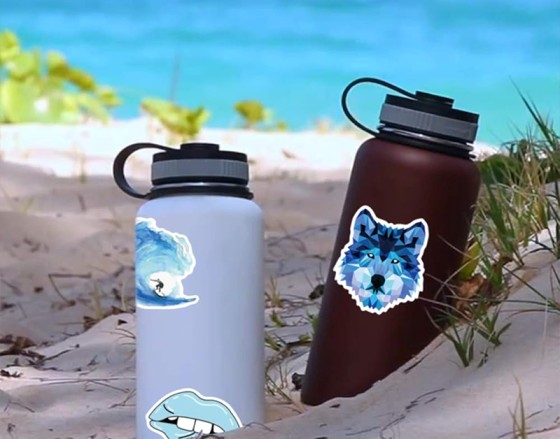
Several environmental factors influence how long waterproof stickers remain functional.
Humidity and Moisture
Water exposure can weaken adhesives or damage poorly printed labels. Waterproof materials and laminates help protect against these conditions.
UV Exposure
Prolonged sunlight exposure may cause colours to fade. UV-resistant laminates help maintain colour clarity.
Surface Preparation
Clean, dry surfaces improve adhesive bonding and prevent peeling.
Abrasion and Handling
Frequent contact with surfaces or machinery may cause wear. Protective laminates and coatings reduce damage.
Understanding these factors helps businesses choose labels designed for their specific operating environment.
Waterproof Sticker vs Standard Paper Sticker
Businesses often compare waterproof stickers with standard paper stickers when selecting labels for packaging or branding.
| Feature | Waterproof Sticker | Paper Sticker |
| Material | Vinyl, polypropylene, polyester | Paper |
| Water Resistance | High | Low |
| Durability | Long-term use | Short to medium-term use |
| Outdoor Use | Suitable | Not recommended |
| Cost | Higher due to durability | Lower production cost |
Paper stickers are typically used for indoor packaging, while waterproof stickers provide better performance in environments exposed to moisture or heavy handling.
How Businesses in Singapore Use Waterproof Stickers
Across Singapore’s retail, logistics, and manufacturing sectors, waterproof stickers are widely used for product identification and branding.
Common applications include:
Beverage and Food Packaging
Bottle labels and food packaging often require waterproof stickers because products may encounter condensation or refrigeration.
Outdoor Branding
Promotional decals and advertising stickers must resist weather exposure and frequent handling.
Equipment and Machinery Labels
Industrial equipment requires labels that remain readable despite heat, friction, or moisture.
Logistics and Courier Packaging
Shipping labels may encounter rain or humidity during transport, making waterproof labels beneficial.
These applications highlight the importance of durable labels in modern supply chains.
Frequently Asked Questions
1. What is a waterproof sticker?
A waterproof sticker is an adhesive label made from water-resistant materials such as vinyl, polypropylene, or polyester. These stickers are designed to resist moisture, humidity, and environmental exposure while maintaining strong adhesion and clear printed designs..
2. Are waterproof stickers suitable for outdoor use?
Yes. Waterproof stickers are commonly used outdoors because they resist moisture, sunlight, and temperature changes. When combined with UV-resistant laminates, they can maintain colour clarity and adhesion even in harsh outdoor environments.
3. What materials are used to make waterproof stickers?
Waterproof stickers are typically produced using synthetic materials such as vinyl, polypropylene, or polyester. These materials naturally resist water and maintain structural stability when exposed to moisture or humidity.
4. Do waterproof stickers require lamination?
Lamination is not always required, but it improves durability significantly. Laminates protect the printed surface from scratches, UV exposure, and moisture, extending the lifespan of the sticker.
5. How long do waterproof stickers last?
The lifespan of waterproof stickers depends on the material, adhesive, and environmental conditions. Indoor waterproof stickers may last several years, while outdoor labels may experience gradual wear due to sunlight and physical exposure.
6. What printing methods are used for waterproof stickers?
Common printing methods include UV printing, eco-solvent printing, latex printing, and digital label printing. These technologies produce durable prints that resist fading, scratching, and moisture damage.
7. Can waterproof stickers be used for product packaging?
Yes. Waterproof stickers are frequently used for packaging labels, especially for beverages, cosmetics, and products exposed to moisture. Their durability ensures that labels remain readable throughout the product lifecycle.
Create Durable Labels with Professional Waterproof Sticker Printing
Selecting the right label material ensures that product packaging and branding remain clear, durable, and reliable. A waterproof sticker provides moisture resistance, strong adhesion, and long-lasting print quality for packaging, equipment labels, and outdoor branding.
For businesses in Singapore that require durable labels, professional printing and finishing services ensure waterproof stickers maintain performance in demanding environments.
Get in touch today to create the durable waterproof stickers you’ve always wanted.