

Printing Barcode Labels for Accurate Inventory and Product Tracking in Singapore
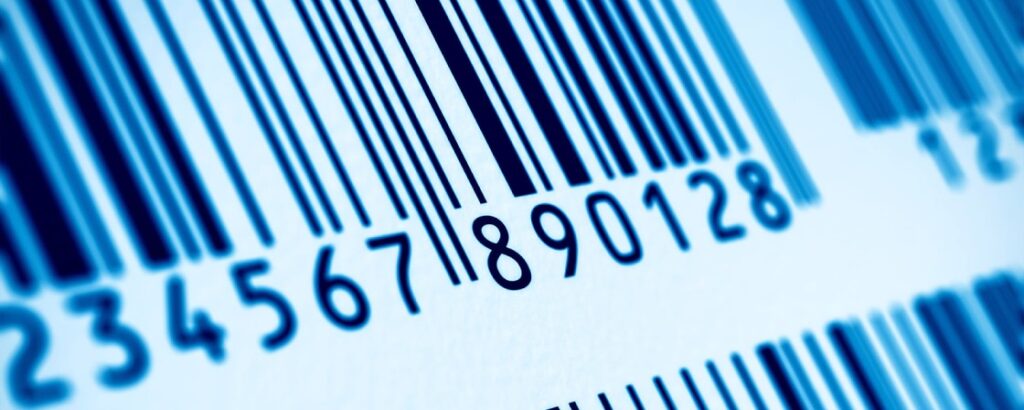
Printing barcode labels is an essential process for businesses that rely on accurate product identification and efficient inventory management. Barcode labels encode product information into machine-readable symbols that scanners can interpret instantly, allowing companies to track goods, update inventory systems, and manage stock movements across warehouses, retail stores, and supply chains.
In Singapore’s fast-moving logistics and retail sectors, reliable barcode labels ensure that scanning devices capture product information without delays or errors. When printing barcode labels with proper resolution, contrast, and formatting, businesses can maintain real-time inventory visibility, minimise manual data entry, and improve operational efficiency across their distribution networks.
For organisations managing large product volumes, accurate barcode printing is not simply a technical requirement. It is a key component of reliable inventory control and supply chain transparency.
What Is Printing Barcode Labels?
Printing barcode labels is the process of producing machine-readable labels that encode product or asset information in a barcode format. These labels contain patterns of lines or squares that barcode scanners interpret to retrieve product data stored in digital inventory systems.
Barcode labels are commonly used to:
- identify products in retail environments
- track inventory across warehouses
- monitor goods during shipping and logistics
- manage production batches in manufacturing
- improve traceability in supply chain operations
When barcode labels are printed with high clarity and correct formatting, scanners can read them instantly. This allows businesses to automate stock updates, maintain accurate inventory records, and streamline operational workflows.
How Printing Barcode Labels Improves Inventory Management
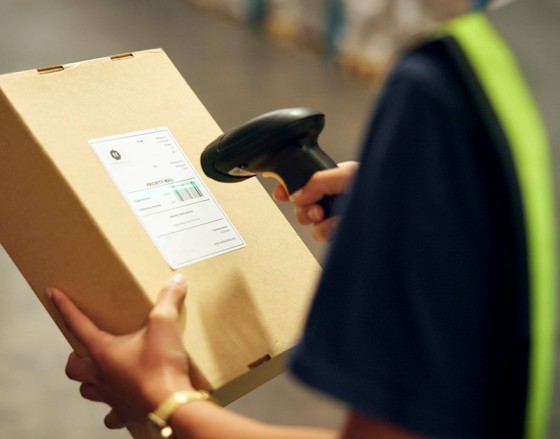
Printing barcode labels accurately allows inventory systems to capture product information quickly and reliably. Each time a barcode is scanned, the system updates stock data automatically, giving businesses real-time visibility into inventory levels.
Several operational improvements result from high-quality barcode printing:
Real-time stock tracking
Products can be scanned at multiple checkpoints such as receiving, storage, picking, and dispatch, ensuring accurate inventory records.
Faster warehouse operations
Clear barcode labels allow staff to scan items quickly without repeated attempts or manual data entry.
Reduced inventory discrepancies
Automated scanning ensures that product movements are recorded accurately, reducing mismatches between physical stock and digital records.
Improved supply chain traceability
Each barcode label allows businesses to track products from manufacturing through distribution and final delivery.
For businesses in Singapore managing high-volume inventory systems, dependable barcode labels are essential for maintaining operational efficiency.
Barcode Standards Used in Product Labelling
Barcode labels follow internationally recognised standards to ensure they can be read by scanners across different systems and industries.
Common barcode standards include:
| Barcode Standard | Typical Industry Use |
| UPC (Universal Product Code) | Retail checkout systems |
| EAN (European Article Number) | International retail products |
| Code 128 | Warehousing and logistics tracking |
| Code 39 | Industrial inventory systems |
| QR Code | Digital product information and marketing |
| Data Matrix | Healthcare and manufacturing |
Many businesses adopt GS1 barcode standards, which provide globally recognised guidelines for product identification and supply chain tracking.
Using the correct barcode standard ensures compatibility with scanning systems used by retailers, distributors, and logistics providers worldwide.
Technologies Used for Printing Barcode Labels
Several printing technologies are used to produce barcode labels depending on label volume, durability requirements, and operational environments.
Thermal Printing
Thermal printers use heat to create images on specialised label materials. This method is widely used for shipping labels and logistics tracking because it is fast and cost-effective.
Thermal Transfer Printing
Thermal transfer printing uses heat to transfer ink from a ribbon onto the label surface. This produces highly durable barcode labels suitable for environments where labels must resist abrasion, chemicals, or temperature changes.
Inkjet Printing
Inkjet printing is used for colour labels and packaging applications where barcode labels are integrated into product designs.
Laser Printing
Laser printers produce sharp, high-contrast barcode labels and are commonly used in office environments for smaller label batches.
Selecting the appropriate printing technology helps ensure that barcode labels remain readable throughout the product lifecycle.
Materials Used When Printing Barcode Labels
The durability of a barcode label depends heavily on the material used during production. Choosing the right label material ensures the barcode remains scannable even in demanding environments.
Paper Labels
Paper labels are commonly used for retail product labels and shipping labels where the label lifespan is relatively short.
Synthetic Labels
Synthetic materials such as polyester or polypropylene offer resistance to moisture, chemicals, and abrasion. These materials are ideal for industrial or logistics environments.
Thermal Labels
Thermal labels are widely used in warehousing and shipping operations because they allow rapid printing without ink cartridges.
Waterproof and Weather-Resistant Labels
For outdoor or high-humidity environments such as certain warehouse operations in Singapore, waterproof materials prevent fading or peeling.
Selecting the correct material ensures that barcode labels remain readable throughout storage, transportation, and handling.
How Barcode Print Quality Is Verified
To ensure reliable scanning, barcode labels must meet strict quality standards. Professional printing providers use verification tools to test label readability before large batches are produced.
Barcode verification typically evaluates several factors:
Print contrast signal (PCS)
Measures the contrast between barcode lines and the background.
Barcode edge definition
Ensures that barcode lines are sharp and clearly defined.
Quiet zones
Confirms that sufficient blank space surrounds the barcode so scanners can detect it correctly.
Symbol grading standards
Many organisations follow ISO or ANSI barcode grading systems to verify barcode readability.
Quality verification ensures that barcode labels perform consistently across different scanning devices and operational environments.
Steps Involved in Printing Barcode Labels
Producing reliable barcode labels involves several stages that ensure accurate formatting and consistent print quality.
Typical steps include:
- Barcode generation using barcode software
- Label layout and formatting
- Selection of label material and adhesive
- Printing using specialised barcode printers
- Quality verification and scanning tests
- Label application to products or packaging
Following a structured production process helps businesses maintain reliable barcode performance across large product volumes.
Choosing a Barcode Printing Service in Singapore
Many businesses partner with a professional barcode printing service to ensure reliable label production and consistent scanning performance.
When selecting a barcode printing provider in Singapore, companies should consider several factors.
Printing precision and equipment
Professional barcode printers are calibrated to produce accurate line widths and spacing that meet scanning standards.
Material expertise
Experienced providers recommend label materials suitable for retail, warehouse, or industrial environments.
Quality verification processes
Reliable printing services verify barcode readability using specialised barcode testing equipment.
Scalability for large volumes
Businesses that manage thousands of products require consistent label quality across every batch of printed labels.
Working with a specialised barcode printing provider helps organisations maintain consistent inventory tracking and operational efficiency.
Industries That Depend on Printing Barcode Labels

Printing barcode labels supports many industries that require reliable product identification and inventory control.
Retail
Retailers use barcode labels for product identification, price scanning, and stock management in stores.
Warehousing and Logistics
Warehouses rely on barcode labels to track goods during receiving, storage, picking, and distribution.
Manufacturing
Manufacturers use barcode labels to monitor raw materials, production batches, and finished goods.
Healthcare
Hospitals and laboratories use barcode labels for tracking pharmaceuticals, medical supplies, and laboratory samples.
Distribution and Supply Chain
Distribution centres use barcode labels to track product movement across regional and international supply chains.
Across these sectors, reliable barcode labels help businesses maintain operational visibility and accurate inventory records.
Frequently Asked Questions
1. Why is printing barcode labels accurately important for businesses?
Printing barcode labels accurately ensures scanners can read product information instantly. When labels are printed clearly with correct spacing and contrast, inventory systems update automatically without manual data entry. This improves operational efficiency, reduces stock discrepancies, and supports reliable product tracking across warehouses, retail stores, and supply chains.
2. What happens if barcode labels are printed poorly?
Poorly printed barcode labels can cause scanning failures, inventory mismatches, and operational delays. When scanners cannot read a barcode properly, staff may need to manually enter product data, which increases the risk of errors and slows down warehouse and retail workflows.
3. What industries rely on barcode printing services?
Retail, logistics, manufacturing, healthcare, and distribution industries rely heavily on barcode printing services. These sectors manage large product volumes and require fast, reliable scanning to track inventory accurately throughout production, storage, and distribution processes.
4. What materials are best for barcode labels?
The best material depends on the operational environment. Paper labels are suitable for short-term retail or shipping applications, while synthetic materials such as polyester or polypropylene offer durability in environments exposed to moisture, abrasion, or temperature changes.
5. How does a barcode printing service improve label quality?
A professional barcode printing service uses specialised printing equipment, calibrated settings, and barcode verification tools to ensure proper line spacing, contrast, and readability. This ensures barcode labels scan reliably across large batches and remain readable during product handling and transportation.
6. What are barcode quiet zones and why are they important?
Quiet zones are blank spaces surrounding a barcode symbol. These areas allow barcode scanners to detect the beginning and end of the code. Without sufficient quiet zones, scanners may struggle to interpret the barcode correctly, which can lead to scanning errors.
7. When should businesses use professional barcode printing services?
Businesses should consider professional barcode printing services when producing large volumes of labels or when labels must meet strict scanning standards. Professional services ensure consistent label quality, durability, and compatibility with barcode scanning systems used across supply chains.
Strengthen Your Inventory Systems with Reliable Barcode Printing
Accurate barcode labels are essential for businesses that rely on efficient inventory management and product tracking. When printing barcode labels with proper materials, resolution, and verification processes, organisations can ensure reliable scanning, consistent stock updates, and smoother operational workflows.
If your business requires dependable barcode labelling solutions, consider working with a professional barcode printing service that can produce durable and highly scannable labels for real-world operational environments.
Visit Printsys to learn more about barcode printing services in Singapore and discover how high-quality labels can support accurate inventory tracking and supply chain efficiency.