

Paper Sticker Guide: Uses, Types, and When to Choose Paper vs Vinyl
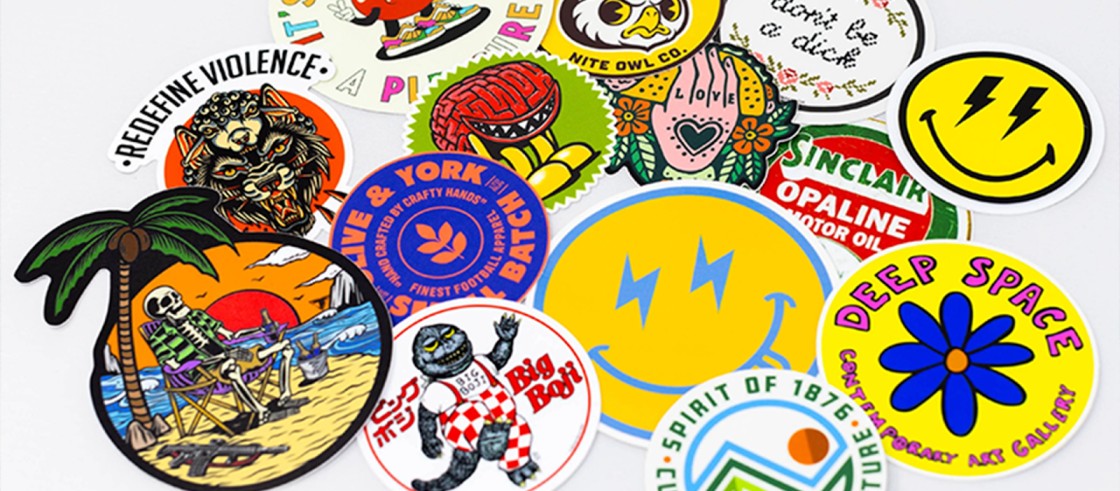
Stickers play an important role in product labelling, packaging design, and inventory identification. Among the many sticker materials available, the paper sticker remains one of the most widely used options because it offers excellent print clarity, affordability, and versatility for indoor applications.
A paper sticker is an adhesive label made from paper material used for packaging labels, barcode labels, retail pricing tags, and promotional branding. Because paper surfaces absorb ink effectively, designs printed on paper stickers appear clear and readable, making them suitable for product identification and packaging presentation.
For businesses in Singapore, paper stickers are commonly used across retail packaging, warehouse inventory systems, and food product labelling. Understanding how paper stickers work—and how they compare with vinyl stickers—helps companies choose the most appropriate label material for their operational needs.
Selecting the correct sticker material ensures that labels remain functional, scannable, and visually aligned with the brand.
What Is a Paper Sticker?
A paper sticker is a pressure-sensitive adhesive label made from coated or uncoated paper material. It typically consists of three components: a printable paper surface, an adhesive layer, and a backing liner that protects the adhesive before application.
Paper stickers are widely used because they support high-quality printing and are easy to customise for various packaging and labelling applications.
Common uses of paper stickers include:
- product packaging labels
- barcode labels for inventory tracking
- retail price labels
- food packaging stickers
- promotional stickers and event labels
Because paper materials absorb ink well, barcode lines, product information, and branding elements remain clear and easy to read when printed correctly.
Why Businesses Use Paper Stickers for Product Labels
Many organisations prefer paper stickers because they balance functionality, affordability, and print performance.
Excellent Print Clarity
Paper sticker materials absorb ink effectively, allowing barcode elements, fine text, and detailed graphics to appear sharp and readable. This makes paper stickers suitable for product identification and retail packaging.
Cost-Effective Label Production
Compared with synthetic materials such as vinyl, paper stickers are typically more affordable to produce. Businesses printing large volumes of product labels benefit from lower production costs.
Suitable for Indoor Packaging
Most retail and warehouse labels remain indoors where exposure to water or sunlight is minimal. In these environments, paper stickers perform reliably and maintain their appearance.
Flexible Design Options
Paper sticker printing supports matte, gloss, and writable finishes, allowing brands to customise labels according to their packaging design.
Advantages of Using a Paper Sticker
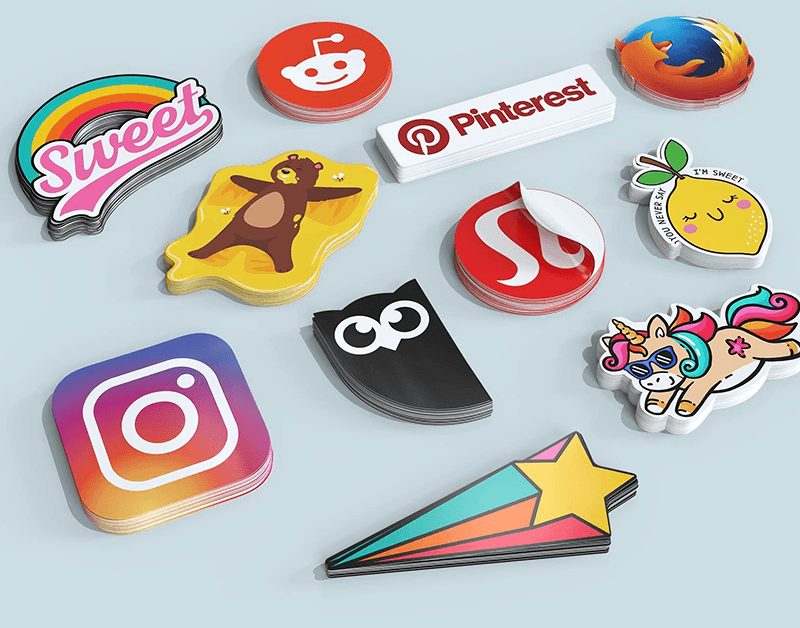
Paper stickers offer several practical advantages for businesses that require clear, affordable labels.
Key advantages include:
- cost-efficient production for large label quantities
- excellent print clarity for text, branding, and barcode labels
- compatibility with various finishes such as matte or gloss
- easy application on packaging and retail products
- ideal for indoor labelling and product identification
Because of these benefits, paper stickers remain a common choice for retail packaging, product labels, and inventory management.
Types of Paper Stickers Used in Packaging and Labelling
Different types of paper stickers are available depending on the application and design requirements.
| Paper Sticker Type | Typical Application |
| Matte paper sticker | Minimalist product packaging |
| Gloss paper sticker | Retail packaging labels |
| Kraft paper sticker | Eco-friendly or natural branding |
| Thermal paper sticker | Barcode labels and shipping labels |
| Writable paper sticker | Date, batch, or pricing labels |
Selecting the appropriate paper sticker type ensures that labels perform correctly in their intended environment.
Adhesive Types Used for Paper Stickers
Paper stickers use pressure-sensitive adhesives that allow labels to stick securely to packaging surfaces. Different adhesive types are used depending on the product application.
Permanent Adhesive
Permanent adhesives create strong bonds that are difficult to remove. These are commonly used for product packaging labels and barcode identification.
Removable Adhesive
Removable adhesives allow stickers to be removed without leaving residue. Retail price labels often use this adhesive type.
Freezer Adhesive
Freezer adhesives are designed for products stored in cold environments, such as frozen food packaging.
Food-Safe Adhesive
Some packaging labels require adhesives that comply with food safety standards to ensure safe use with consumable products.
Choosing the correct adhesive type helps ensure that paper stickers remain securely attached to packaging surfaces.
Paper Sticker vs Vinyl Sticker: Key Differences
Paper and vinyl stickers differ in durability, cost, and environmental resistance. Understanding these differences helps businesses choose the right label material.
| Feature | Paper Sticker | Vinyl Sticker |
| Material | Paper-based label | Synthetic plastic material |
| Durability | Best for indoor use | Suitable for indoor and outdoor use |
| Water Resistance | Low | High |
| Print Appearance | Soft and natural colours | Sharp and vibrant colours |
| Cost | More affordable | Higher cost due to durability |
| Typical Uses | Packaging labels, barcode labels | Outdoor branding, equipment labels |
For most indoor packaging applications, paper stickers provide a practical and cost-efficient solution.
Why Paper Stickers Are Commonly Used for Barcode Labels
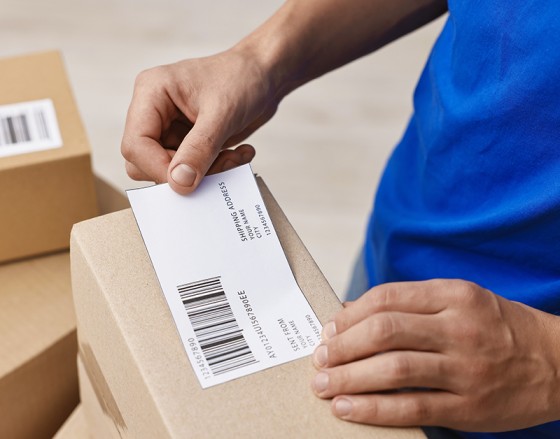
Many businesses use paper stickers for barcode labels because the material supports clear printing and strong contrast. Barcode scanners rely on precise line spacing and contrast between dark bars and light backgrounds.
Paper sticker materials help maintain barcode readability because:
- the paper surface absorbs ink consistently
- barcode lines remain sharp and clearly defined
- labels remain scannable under typical indoor conditions
For warehouse and retail operations in Singapore, paper sticker barcode labels are widely used to track inventory, identify products, and maintain accurate stock records.
The Process of Paper Sticker Printing
Professional sticker printing follows a structured process to ensure consistent quality and readability.
Typical paper sticker printing involves the following steps:
- Design preparation – creating artwork, branding elements, or barcode labels
- Paper stock selection – choosing the appropriate paper material and adhesive
- Printing – reproducing the design using digital or offset printing methods
- Die cutting – cutting stickers into custom shapes or label formats
- Quality inspection – checking print clarity, colour accuracy, and adhesion
By following these steps, printing providers ensure that sticker labels meet both functional and aesthetic requirements.
How Paper Stickers Are Used by Businesses in Singapore
Businesses across Singapore rely on paper stickers for product identification, packaging, and inventory labelling.
Common applications include:
Retail Packaging Labels
Retail brands often apply paper stickers to boxes, jars, and product packaging to display branding and product information.
Barcode and Inventory Labels
Warehouses and retail stores use paper stickers for barcode labels that support product scanning and inventory tracking.
Food Packaging Labels
Food businesses frequently use paper stickers for bakery packaging, takeaway boxes, and product jars.
Promotional Packaging
Paper stickers are also used in marketing campaigns and seasonal promotions to add branding elements to packaging.
Because these labels are typically used indoors, paper stickers remain an efficient and cost-effective solution for many Singapore businesses.
Frequently Asked Questions
1. What is a paper sticker used for?
A paper sticker is commonly used for packaging labels, retail product identification, barcode labels, and promotional branding. Businesses apply paper stickers to boxes, jars, and merchandise to display product information, pricing, or branding elements in indoor environments.
2. Are paper stickers suitable for barcode labels?
Yes. Paper stickers are frequently used for barcode labels because they allow barcode lines to print clearly and remain readable by scanners. This makes them suitable for retail checkout systems, warehouse inventory tracking, and logistics operations.
3. What is the difference between paper stickers and vinyl stickers?
Paper stickers are made from paper material and are typically used for indoor packaging labels. Vinyl stickers are made from synthetic materials that resist water, sunlight, and abrasion, making them more suitable for outdoor or long-term applications.
4. Are paper stickers waterproof?
Standard paper stickers are not waterproof because paper absorbs moisture. If labels must withstand water or humidity, vinyl stickers or laminated labels may provide better durability.
5. What finishes are available for paper stickers?
Paper stickers are available in several finishes, including matte, gloss, kraft, and writable surfaces. Matte finishes provide a natural appearance, while gloss coatings enhance colour vibrancy and protect printed designs.
6. How long do paper stickers last?
Paper stickers can last for months or years when used in dry indoor environments. Their lifespan depends on factors such as handling, adhesive strength, and exposure to moisture or friction.
7. Are paper stickers environmentally friendly?
Paper stickers are often considered more environmentally friendly than synthetic materials because they are made from paper-based substrates. Some printing providers also offer recycled paper stocks or sustainably sourced materials.
Print Professional Paper Stickers for Your Products
Choosing the right label material helps ensure that product packaging remains clear, functional, and visually consistent. A paper sticker offers excellent print quality, affordability, and flexibility for indoor packaging, barcode labels, and retail product identification.
For businesses in Singapore that require reliable sticker printing solutions, professionally printed paper stickers can support packaging design, inventory management, and product branding.
Contact Printsys today to learn more about their paper stickers!