

Custom Sticker Labels vs Fabric Labels: Choosing the Right Option for Your Brand
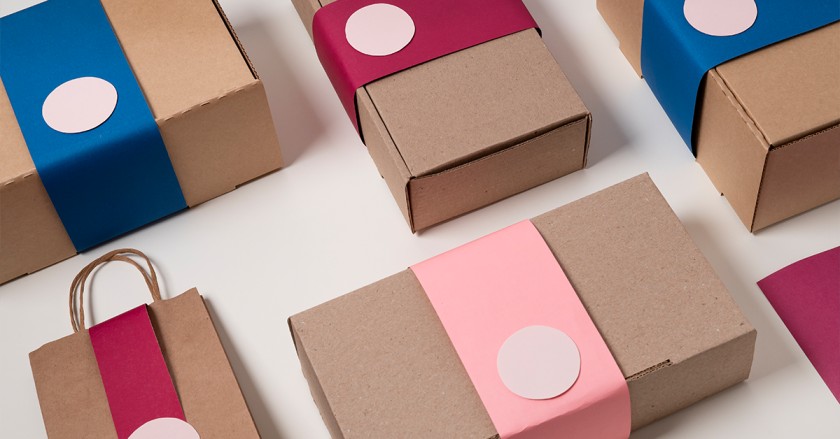
Labels play an essential role in how customers experience your products. They communicate brand identity, product information, and quality at a glance. Whether applied to packaging, apparel, handmade goods, or promotional merchandise, the right label helps reinforce a professional and consistent brand presentation.
Many businesses evaluate custom sticker labels and fabric labels when selecting a labelling solution. While both options support branding and product identification, they differ in application method, durability, and design flexibility.
Understanding how these two label types perform allows businesses to choose the most suitable option for their packaging workflow, product lifespan, and branding goals. Companies producing packaged goods, retail products, or promotional merchandise often rely on custom sticker labels because they provide a versatile and efficient labelling solution.
What Are Custom Sticker Labels?
Custom sticker labels are adhesive-backed labels designed for product packaging, branding, and product identification. Businesses apply them directly to surfaces such as bottles, jars, boxes, containers, and packaging materials to display logos, product details, and branding elements.
These labels are commonly produced using materials such as paper, vinyl, polyester, or synthetic films. Because they can be printed in various shapes, finishes, and sizes, custom sticker labels are widely used across industries including retail, cosmetics, food packaging, and logistics.
Their adhesive backing allows businesses to apply labels quickly and efficiently, making them ideal for both small-scale production and high-volume packaging operations.
What Are Fabric Labels?
Fabric labels are textile-based labels commonly used for clothing, accessories, and handmade products. They are typically made from materials such as satin, cotton, or woven polyester and are sewn or heat-pressed into the product.
Unlike adhesive labels, fabric labels become part of the product itself. This makes them particularly suitable for garments and textile items that require labels to remain attached throughout the product’s lifespan.
Businesses often use fabric labels for:
- clothing brand identification
- garment care labels
- handmade crafts and textile products
- luxury apparel branding
- textile accessories such as bags or scarves
Because they integrate directly with the product material, fabric labels offer durability that withstands washing, ironing, and repeated use.
Key Advantages of Custom Sticker Labels
Custom sticker labels provide several benefits that make them a practical solution for many types of product packaging.
Key advantages include:
- Fast and easy application on a wide range of surfaces
- High-resolution printing for logos, colours, and product details
- Flexible shapes and sizes for different packaging designs
- Cost efficiency for large production runs
- Wide material options including waterproof and tear-resistant labels
These advantages make custom sticker labels particularly useful for businesses that need efficient labelling solutions while maintaining clear branding and product information.
Types of Custom Sticker Labels
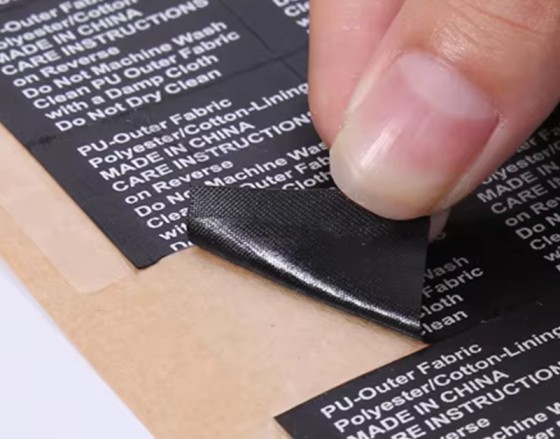
Businesses can choose from several types of custom sticker labels depending on product packaging requirements, durability needs, and branding style.
Paper Sticker Labels
Paper labels are cost-effective and widely used for packaging, shipping labels, and promotional materials. They are suitable for dry environments where moisture exposure is minimal.
Vinyl Sticker Labels
Vinyl labels are waterproof, tear-resistant, and highly durable. They are commonly used for bottles, cosmetics, and products exposed to moisture or frequent handling.
Transparent Sticker Labels
Transparent labels create a clean, minimal appearance that blends seamlessly with product packaging while still displaying branding elements.
Foil Sticker Labels
Foil labels use metallic finishes such as gold or silver to create a premium look. These labels are often used for luxury packaging and special-edition products.
Materials Used for Custom Sticker Labels
The material used for sticker labels affects durability, appearance, and performance. Businesses typically select materials based on product environment and packaging requirements.
| Material | Key Benefits | Best Use |
| Paper | Affordable and versatile | Retail packaging and shipping |
| Vinyl | Waterproof and durable | Bottles, cosmetics, outdoor use |
| Polyester | Chemical and heat resistant | Industrial or technical labels |
| Transparent film | Seamless packaging design | Premium product branding |
Selecting the right material ensures the label remains readable and visually appealing throughout the product lifecycle.
Why Custom Sticker Labels Are Popular Among Singapore Businesses
Businesses in Singapore often choose custom sticker labels because they provide efficient branding for packaged goods and retail products. With many companies competing in crowded retail environments, packaging labels play an important role in helping products stand out on shelves.
Sticker labels allow businesses to present product information clearly while maintaining strong visual branding. They also support efficient packaging workflows because labels can be applied quickly during production or fulfilment.
For companies distributing products locally or internationally, custom sticker labels provide a scalable solution that balances cost efficiency and branding quality.
Key Differences Between Custom Sticker Labels and Fabric Labels
Although both label types serve branding and identification purposes, they differ in materials, application methods, and typical use cases.
| Feature | Custom Sticker Labels | Fabric Labels |
| Material | Paper, vinyl, synthetic films | Satin, cotton, woven polyester |
| Application | Adhesive backing | Sewn or heat-pressed |
| Best for | Packaging and containers | Clothing and textile products |
| Durability | Depends on material | Designed for long-term wear |
| Design flexibility | High-resolution printing | Woven or textile printing |
Businesses generally choose sticker labels for packaging and product identification, while fabric labels are better suited for textile products that require long-term identification.
Durability and Performance in Different Conditions
Durability is a key factor when selecting between custom sticker labels and fabric labels.
Fabric labels maintain their integrity because they are integrated directly into textile products. They can withstand washing, ironing, and regular wear without detaching or fading easily.
Custom sticker labels can also provide excellent durability when produced using appropriate materials. Waterproof vinyl, laminated paper, and synthetic films allow labels to resist moisture, friction, and frequent handling during shipping or retail display.
For packaged goods and consumer products, sticker labels offer sufficient durability while maintaining fast and efficient application.
Texture, Finish, and Branding Impact
The tactile and visual qualities of a label influence how customers perceive a product. Both sticker labels and fabric labels contribute to brand presentation in different ways.
Fabric labels create a soft, tactile impression that blends naturally with clothing and textile products. Their woven structure reinforces craftsmanship and premium quality.
Custom sticker labels provide a wide range of finishes that support different branding styles.
Common finish options include:
- Glossy finishes for vibrant colours and reflective surfaces
- Matte finishes for a modern and minimal look
- Textured finishes for tactile branding effects
- Transparent labels for seamless packaging integration
This flexibility allows businesses to match label design with their product packaging and overall brand identity.
Cost and Production Factors for Custom Sticker Labels
Cost and production efficiency are important considerations when choosing a label type.
Fabric labels often require additional steps such as sewing, folding, or heat pressing. These processes increase labour time and production complexity.
Custom sticker labels provide a simpler production workflow. They can be printed in sheets or rolls and applied quickly by hand or with automated labelling equipment.
For businesses producing packaged goods at scale, sticker labels offer a cost-effective solution that supports efficient packaging operations.
How Custom Sticker Labels Are Applied
Sticker labels can be applied either manually or with automated labelling machines depending on production volume.
Small businesses often apply labels by hand, especially for limited product batches or handmade goods. Larger manufacturing operations typically use automated labelling systems that apply labels quickly and consistently across high-volume packaging lines.
This flexibility makes custom sticker labels suitable for both small product launches and large-scale production environments.
Common Uses of Custom Sticker Labels for Product Packaging
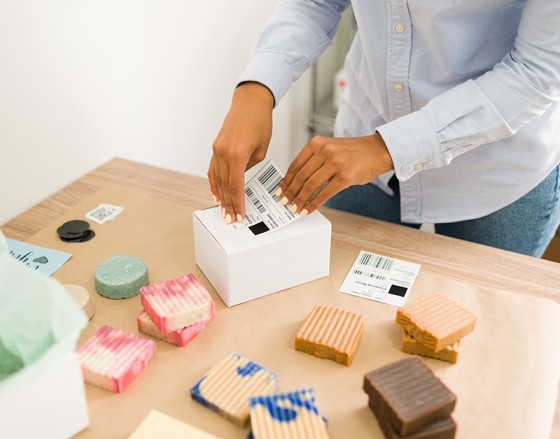
Custom sticker labels are widely used across industries for branding, packaging, and product identification.
Common applications include:
- product packaging labels
- bottle and jar branding
- cosmetic and skincare packaging
- food packaging identification
- shipping labels and packaging seals
- retail product labelling
- promotional merchandise stickers
Their versatility allows businesses to maintain consistent branding across multiple product categories.
Choosing Between Custom Sticker Labels and Fabric Labels
Businesses selecting between fabric labels and custom sticker labels should evaluate three important factors:
- Product material and surface type
- Expected lifespan of the label
- Production and packaging workflow
Sticker labels are generally best suited for packaging, retail products, and promotional items. Fabric labels are more appropriate for garments and textile products where labels must remain attached for the product’s entire lifespan.
Considering these factors helps businesses select a labelling solution that supports both product functionality and brand presentation.
Frequently Asked Questions About Custom Sticker Labels
1. What are custom sticker labels used for?
Custom sticker labels are used for product packaging, bottles, jars, boxes, and promotional merchandise. They help businesses display branding, product information, and decorative designs while allowing quick application during packaging or fulfilment.
2. Are custom sticker labels durable?
Yes. When produced with materials such as vinyl or laminated synthetic films, custom sticker labels can resist moisture, friction, and frequent handling. These materials help maintain label quality during shipping, storage, and retail display.
3. When should businesses use fabric labels instead of sticker labels?
Fabric labels are best suited for clothing, textiles, and handmade goods where labels must remain attached for the entire product lifespan. Because they are sewn or heat-pressed into the product, they can withstand washing, ironing, and repeated use.
4. What materials are used for custom sticker labels?
Custom sticker labels are commonly printed on materials such as paper, vinyl, polyester, or transparent synthetic films. Each material offers different benefits depending on durability requirements, moisture resistance, and visual finish.
5. Can custom sticker labels be waterproof?
Yes. Waterproof sticker labels are typically produced using vinyl or laminated materials that resist moisture and environmental exposure. These labels are commonly used for bottles, cosmetics, and products stored in humid environments.
6. Are custom sticker labels cost-effective for large production runs?
Yes. Custom sticker labels are generally cost-efficient for bulk production because they can be printed in rolls or sheets and applied quickly. Automated labelling machines can further improve efficiency in large-scale packaging operations.
7. Do custom sticker labels work well in Singapore’s humid climate?
Yes. Sticker labels printed on waterproof vinyl or laminated synthetic materials can withstand humidity and moisture. This makes them suitable for products distributed and stored in Singapore’s tropical climate.
Explore Professional Custom Sticker Label Solutions
Choosing the right label ensures your products present a consistent and professional brand image. Whether you require custom sticker labels for packaging or fabric labels for textile products, selecting the appropriate material and design helps your products stand out while maintaining durability.
If you are exploring labelling solutions for your products, visit the Printsys website to learn more about custom sticker labels and fabric label printing options available for businesses in Singapore.