

Folding and Diecut Services in Singapore: A Complete Guide to Precision Print Finishing
Printed materials remain one of the most powerful ways for brands to communicate visually and physically with their audience. While design and print quality are important, print finishing techniques such as folding and diecut services play a critical role in transforming flat printed sheets into structured, interactive, and visually distinctive materials.
In Singapore’s competitive business environment, companies rely on professional folding and diecut services to produce high-impact packaging, brochures, retail displays, and promotional materials. These services allow printed pieces to feature custom shapes, precision cut-outs, and structured folds that improve usability, presentation, and brand recognition.
What Are Folding and Diecut Services?
Folding and diecut services are specialised print finishing processes used to shape and structure printed materials. Diecutting uses custom blades to cut precise shapes, windows, or patterns into paper or packaging, while folding techniques create panels or structural forms such as brochures, cartons, and promotional displays.
Together, these techniques allow printed materials to move beyond standard rectangular formats and become functional design elements that enhance visual impact and communication clarity.
How Folding and Diecut Services Work
Professional folding and diecut services involve several production steps that ensure accuracy and consistency during printing and finishing.
The process typically includes:
- Artwork preparation and dieline design
Designers create a dieline template that defines where cuts and folds will occur. - Creation of a custom die
A steel rule die is manufactured to match the required shape and cut pattern. - Material selection and testing
Printers evaluate paper stock, thickness, and coatings to ensure clean cuts and folds. - Precision die cutting
Industrial diecut machines cut the printed material according to the custom shape. - Folding and finishing
Creasing and folding machines structure the printed piece into its final form. - Quality inspection
Each batch is inspected to ensure alignment, clean edges, and structural integrity.
This controlled production process ensures that large print runs maintain consistent quality and precise finishing.
Why Businesses Use Folding and Diecut Services
Companies across multiple industries use folding and diecut printing because it improves the effectiveness and presentation of printed materials.
Stronger Visual Impact
Custom die cut shapes help printed materials stand out immediately. Instead of standard rectangular prints, brands can create shapes that reflect their product, logo, or design concept.
Better Information Flow
Folding structures guide the reader through information in a logical sequence. Multi-panel brochures or folded inserts reveal content step by step, improving readability and engagement.
Interactive Print Experiences
Diecut openings, layered shapes, and creative folds encourage audiences to interact with the material. This increases engagement and helps brands create memorable physical marketing pieces.
Professional Packaging Presentation
Many businesses in Singapore use folding and diecut services for custom packaging printing. Structural folds and precision die cuts allow packaging to protect products while presenting them attractively on retail shelves.
How Die Cut Printing Enhances Print Design
Die cut printing allows designers to integrate shape into the visual identity of a printed piece. Rather than relying solely on graphics or colour, designers can incorporate physical structure into the design itself.
Common diecut techniques include:
Custom Outer Shapes
A custom die can cut the entire outline of a printed piece. This allows marketing materials or packaging to reflect specific brand elements or product forms.
Examples include:
- Product-shaped packaging
- Custom promotional cards
- Creative invitations
- Retail display tags
Window Cut-Outs
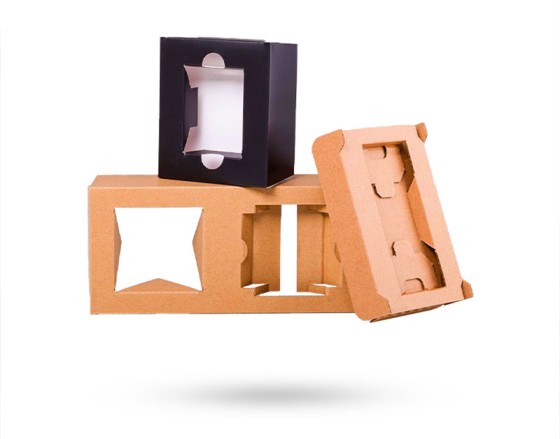
Diecut windows reveal content beneath the surface. These openings can display product contents, layered graphics, or colour accents.
This technique is commonly used in:
- retail packaging
- presentation folders
- product packaging boxes
Layered Diecut Designs
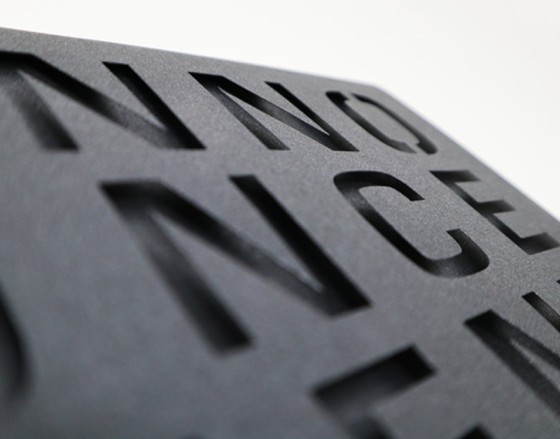
Multiple layers of cardstock can be stacked to create dimensional depth. Layered diecut designs add shadow effects and visual movement, turning printed pieces into tactile design experiences.
Interactive Print Elements
Peek-through cut-outs and shaped edges create curiosity and encourage audiences to explore the printed piece more closely.
These techniques transform standard print materials into visually engaging physical designs.
The Role of Folding in Print Finishing
While diecutting determines the shape of the printed piece, folding creates structure and movement. Folding techniques allow designers to divide content into panels that unfold gradually.
Common folding methods used in commercial printing include:
| Folding Style | Description | Typical Uses |
| Half Fold | Paper folded once into two panels | Greeting cards, menus |
| Tri Fold | Paper folded into three panels | Marketing brochures |
| Gate Fold | Two outer panels fold inward | Invitations, premium brochures |
| Accordion Fold | Panels fold back and forth | Product guides, maps |
| Custom Structural Fold | Unique folds combined with diecut shapes | Packaging and promotional materials |
Combining folding with diecut printing creates structural print designs that are both visually distinctive and functional.
Materials Used for Folding and Diecut Printing
Choosing the right material is essential for successful folding and diecut services. Different paper stocks respond differently to cutting pressure and folding.
Common materials include:
Cardstock
Cardstock is widely used for marketing materials and packaging because it provides structural strength and produces clean diecut edges.
Textured Paper
Textured paper enhances tactile quality and highlights the contours created by diecut shapes.
Kraft Paper
Kraft paper is often used for eco-friendly packaging designs and rustic branding aesthetics.
Transparent or Frosted Sheets
Vellum or plastic sheets create layered visual effects when combined with diecut windows or overlays.
Professional printers evaluate the paper’s thickness, fibre composition, and coating to ensure it performs well during diecutting and folding.
Best Practices for Designing Diecut Print Projects
Designing for diecut production requires careful planning to ensure the final printed material maintains structural integrity and visual accuracy.
Maintain Safe Margins
Important design elements such as logos and text should remain inside safe zones to prevent accidental trimming during diecutting.
Avoid Fragile Design Points
Very thin sections or sharp internal angles can weaken the structure of the material. Slightly rounded edges improve durability.
Understand Paper Behaviour
Thicker materials create stronger shapes but may require wider curves during diecutting. Lighter paper can accommodate fine details but may require careful handling.
Use Accurate Dieline Templates
Dielines guide where cuts and folds occur. Designers must align artwork precisely with the dieline to ensure accurate production.
Collaborate With Print Specialists
Working closely with professional printers early in the design process allows teams to test prototypes and confirm production feasibility before large print runs begin.
Industries That Use Folding and Diecut Services
Folding and diecut services are widely used across many industries because they allow brands to produce visually distinctive and structurally functional printed materials.
Common industry applications include:
Retail Packaging
Product packaging often relies on diecut shapes and structural folds to create boxes, inserts, and display packaging that protect and showcase products.
Food and Beverage Packaging
Restaurants and food brands use diecut packaging for takeaway boxes, product sleeves, and promotional packaging.
Cosmetics and Beauty
Luxury cosmetic packaging often uses precision diecut shapes to create elegant presentation boxes.
Corporate Marketing Materials
Companies frequently produce diecut presentation folders, promotional mailers, and creative brochures for marketing campaigns.
Retail Point-of-Sale Displays
Diecut display stands and promotional signage help retailers attract attention and highlight featured products.
Choosing the Right Folding and Diecut Services Provider
Selecting a reliable printing provider ensures that folding and diecut printing projects are produced accurately and efficiently.
When evaluating a provider, businesses should consider:
- Experience in commercial printing and packaging production
- Access to advanced diecut machinery
- Ability to create precise dieline templates
- Material expertise for different paper stocks
- Quality control processes for large print runs
An experienced provider can help optimise both design and production to achieve the desired results.
Why Precision Matters in Diecut Printing
Poorly executed diecut or folding processes can lead to production problems such as:
- misaligned folds
- rough or torn edges
- damaged artwork
- weakened structural elements
Professional folding and diecut services ensure that cutting pressure, paper selection, and folding techniques are calibrated correctly for consistent results.
For brands producing large quantities of packaging or marketing materials, precise print finishing protects both product quality and brand image.
Frequently Asked Questions
1. What are folding and diecut services used for?
Folding and diecut services are used to shape and structure printed materials such as packaging boxes, brochures, retail displays, and promotional materials. These print finishing techniques allow designers to create custom shapes, windows, and structural folds that improve presentation, functionality, and brand visibility.
2. What is die cutting in printing?
Die cutting is a printing finishing process that uses a custom metal blade to cut precise shapes, patterns, or openings into paper, cardboard, or packaging materials. It allows printers to produce custom outlines, packaging structures, and decorative cut-outs that cannot be achieved with standard trimming.
3. What are folding services in printing?
Folding services involve creasing and bending printed sheets to create structured panels or forms such as brochures, inserts, and packaging components. Folding improves organisation of printed information and helps guide how readers interact with the material.
4. What materials work best for diecut printing?
Common materials include cardstock, coated paper, kraft paper, textured paper, and specialty materials such as vellum or plastic sheets. The best material depends on the complexity of the diecut design, folding requirements, and the intended use of the printed piece.
5. Which industries commonly use diecut printing services?
Retail packaging, cosmetics, food and beverage brands, corporate marketing teams, and event organisers frequently use diecut printing services to produce packaging boxes, promotional materials, product tags, and retail display structures.
6. Are folding and diecut services suitable for large print runs?
Yes. Modern commercial diecut machines allow printers to produce large volumes of materials with consistent precision. Professional printing providers conduct testing and quality checks to ensure that each piece maintains accurate cutting and folding alignment.
7. When should diecut designs be planned in a project?
Diecut designs should be planned early during the design stage. Early planning allows designers and printers to create accurate dieline templates, test materials, and ensure the artwork aligns correctly with cutting and folding structures.
Explore Professional Folding and Diecut Services
Creative print materials require more than strong graphics. Precision folding and diecut services transform flat printed sheets into engaging physical designs that capture attention and reinforce brand identity.
If you are planning custom packaging, marketing brochures, or retail display materials, working with an experienced printing provider ensures your designs are produced with accuracy and consistency.
Contact Printsys today to explore professional folding and diecut services in Singapore and discover how precision print finishing can elevate your brand’s printed materials.